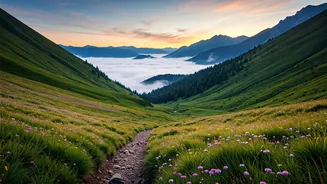








Imagine getting off a train to find crisp mountain air blowing past you and clouds all around. This isn’t a dream; it’s Ghum Railway Station, India’s highest railway station, tucked away in the hills of Darjeeling,
West Bengal.
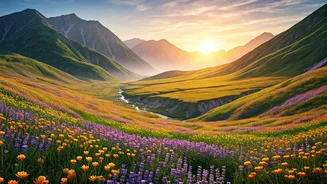
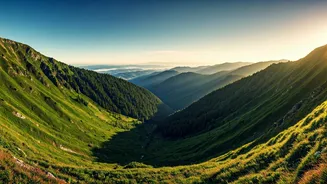
Ghum is not just famous for being the highest, but it is also loved for its raw beauty and stunning landscape views. It is the 14th-highest railway station in the world.
Built way back in 1891 during British rule, Ghum sits at a staggering 2,258 metres (7,407 feet) above sea level. The moment you step onto the platform, it feels as if you’ve walked straight into the clouds.
View this post on Instagram
A UNESCO World Heritage Site
Ghum is a part of the Darjeeling Himalayan Railway (DHR), a recognised UNESCO World Heritage Site since 1999. The railway track has been specially designed to handle the steep hills of the area. It includes six zigzags and three loops so the train can climb up and down safely without slipping.
Ghum Railway Station History
Before the railway existed, travelling from Kolkata to Darjeeling was a long and tiresome journey. It used to take 5-6 days. People had to take steam trains, cross the Ganges River on a ferry, and then travel by bullock carts and palanquins.
In 1878, when Siliguri got connected to the railway, the trip became much shorter, just two days. The Darjeeling Himalayan Railway began construction in 1879, and the tracks reached Ghum on 4 April 1881.
How To Reach Ghum Railway Station?
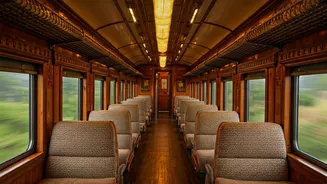
Located about 7 kilometres from Darjeeling, the only way to reach Ghum is by hopping onto the iconic Darjeeling Himalayan Railway toy train. As it slowly chugs its way up the hills, the view outside the window feels unreal and magical.
Once the train leaves Ghum, it descends about 1,000 feet toward Darjeeling. On the way, it passes the Batasia Loop, known for its stunning views. The railway also has a Rail Museum at Ghum, where you can see old trains and learn about the history of this hill railway.
Ghum Festival
The DHR conducts an annual cultural celebration in late November to early December. The festival takes place across the Darjeeling Hills, especially around Ghum, Darjeeling and Kurseong stations.
Visitors and locals get a chance to enjoy folk performances, poetry recitals, painting competitions, and local craft stalls. Events like the Iron Sherpa Heritage Run let participants race along the scenic hills while celebrating the railway’s history.