
Over the last decade, there’s been a shift in the way young Indians choose to travel. What used to be an occasional family holiday or a once-a-year getaway has now become a lifestyle. It is driven by personal
expression, digital influence, and an appetite for meaningful experiences. Gen Z and Millennials no longer want to just participate in India’s vacation-home movement but lead it.
Today’s travellers want more than a typical hotel room. “They want privacy, space, design, comfort and, above all, a sense of belonging. For younger travellers, a vacation home is not just a place to stay; it is the backdrop for memories, celebrations, content creation, bonding, and self-care,” says Varun Arora, CEO & Co-Founder, Ekostay. The home becomes part of the experience, not just the accommodation.
What works against traditional stays?
The biggest driver of this shift is the desire for autonomy. Traditional hospitality is built on structured fixed meal timings, standardised rooms, and predetermined activities.
But today’s travellers prefer flexibility. They want to sleep in late, make their own breakfast, host intimate gatherings, explore at their own pace, or simply disconnect without interruption. A well-managed villa or holiday home allows them this freedom, which is one of the reasons this category has grown so rapidly.
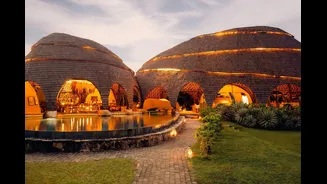
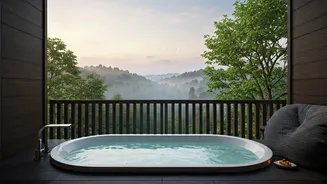
Another major influence is aesthetics and design. Gen Z and Millennials place tremendous value on how a space looks and feels. They gravitate towards homes that are photogenic, thoughtfully designed, warm, intimate, and reflective of their personality. Varun says, “A vacation home isn’t booked just for location; people book it for the vibe. Interiors, lighting, architecture, outdoor spaces, poolside areas – every detail matters because it shapes how the guest will experience and remember the stay.”
The rise of group travel trips
There is a rise of group travel, with younger travellers preferring to go on holiday with friends, cousins, colleagues, or mixed groups rather than small nuclear setups. This automatically makes vacation homes more appealing. One villa accommodates the entire group, creates shared experiences, and often provides better value than multiple hotel rooms. The social energy of these trips is a huge part of the appeal.
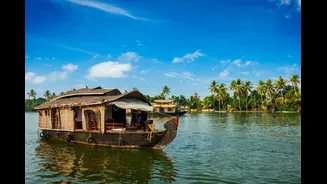
Varus adds, “There is a growing desire for authenticity. Younger guests want to move away from cookie-cutter hospitality, and vacation homes hold a unique advantage. They can feel distinctive, as each property has its own identity and character.” This sense of uniqueness is extremely important for Gen Z and Millennials, who prize individuality and discovery.
India’s overall hospitality landscape has adapted to this demand. The alternate stay segment, including branded villas, managed holiday homes and short-term rentals, has seen some of the strongest year-on-year growth. Remote work, wellness-driven travel, micro-vacations, and experiential holidays have all contributed to making vacation homes mainstream rather than niche.