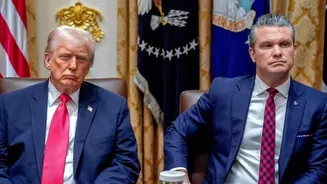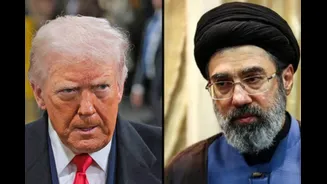







The Trump administration is preparing to unveil what it calls an “economic D-Day” against Iran, with US Treasury Secretary Scott Bessent saying Washington is “entering the endgame” of its campaign against Tehran.
“We are now entering the endgame. At dawn begins an economic D-Day — the single greatest financial offensive ever marshaled against an adversary,” Bessent said in a post on X on Sunday.
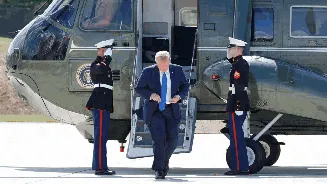
President Trump has dismantled Iran’s military capabilities, destroyed nearly 100 percent of its military factories, and buried its nuclear program.
We are now entering the endgame. At dawn begins an economic D-Day — the single greatest financial offensive ever marshaled against…
— Treasury Secretary Scott Bessent (@SecScottBessent) August 23, 2026
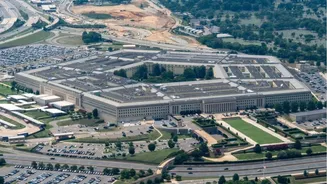
Bessent is expected to detail the measures at a press conference at 2 pm ET (11:30 pm IST) on Monday. The sanctions are expected to target not only Iran but also foreign banks, shipping companies, exchange houses and governments that continue to do business with Tehran, according to the Financial Express.
The push comes after years of US sanctions on Iran and nearly six months of war involving the US, Israel and Iran. So what does Washington’s “economic D-Day” involve, what more can the US target, and why does Bessent believe the campaign is now entering its “endgame”?
What Could ‘Economic D-Day’ Look Like?
Bessent’s remarks in recent days have indicated where Washington intends to focus its pressure. “The President has created the conditions to leverage every agency, every authority and action many assumed we would never summon,” Bessent said. “Our objective is to sever every economic lifeline that sustains the tyrannical regime until Tehran stands alone.”
Speaking to CNBC on Thursday, Bessent described the strategy as a “one-two punch” that would combine the existing naval blockade with what he said would be the toughest sanctions ever imposed.
The sanctions are expected to target foreign banks, shipping companies and exchange houses that continue to facilitate trade and financial transactions with Iran, as well as governments that continue doing business with Tehran.
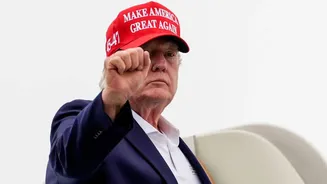
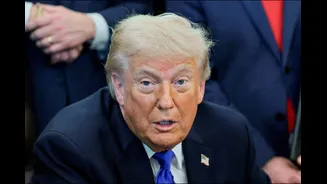
US President Donald Trump has also urged US allies to join Washington in isolating Iran and said further measures were available. “We have things that we could sanction. We have very draconian sanctions, and we’ll see what happens,” Trump said while addressing technology leaders.
Pressure Could Extend Beyond Iran
Bessent has warned countries that continue to send money to Iran, purchase its oil or provide ships for its trade. The Treasury had previously targeted some of the financial channels used by Tehran. Under a campaign called “Economic Fury”, it targeted Iranian exchange houses accused of helping move billions of dollars in foreign currency through money-laundering networks.
The coming package is expected to extend the pressure to foreign entities that continue doing business with Tehran.
Why Does Bessent Say The US Is ‘Entering The Endgame’?
Bessent has linked the economic offensive to the damage Washington says has already been inflicted on Iran militarily. “President Trump has dismantled Iran’s military capabilities, destroyed nearly 100 percent of its military factories, and buried its nuclear program,” he said.
In an opinion piece published in the Financial Times on Sunday, Bessent described countries that continue to help Iran evade US sanctions as the regime’s “final refuge”.
Bessent has also argued that stronger economic pressure could eventually bring down the Iranian government. His argument is that the greater the economic pressure becomes, the less likely the US will have to return to large-scale military action against Iran.
How Much Further Can The US Go?
Iran has already been struggling economically. Inflation had crossed 48 per cent by late 2025, while independent estimates suggest between one-fifth and half of Iran’s population is living below the poverty line, according to the Financial Express. Iran’s finance ministry has also acknowledged malnutrition and unemployment among young men.
But Iran already faces thousands of restrictions as well as a naval blockade. Analysts believe there may be limited room to tighten sanctions further. Washington may now have to target Iran’s oil terminals and its “shadow fleet”, while trying to avoid another shock to global energy markets.
The China Question
China could pose a major challenge to the US plan because of the scale of its oil trade with Iran.
Bessent has acknowledged that China has been Iran’s biggest crude buyer and has at times purchased around 90 per cent of Iranian oil during the conflict. He has not said whether China itself will be targeted.
The issue is sensitive for Washington. A major crackdown on Chinese banks could create fresh tensions with Beijing just as Chinese President Xi Jinping is expected to visit the White House next month. The visit would also come ahead of new Chinese restrictions on rare-earth exports due to take effect two months later.
Iran Says It Has Faced Sanctions Before
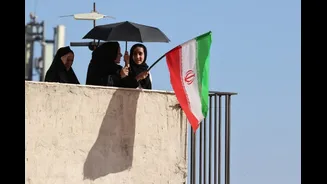
Iran has rejected Washington’s latest threat and shown little sign of backing down.
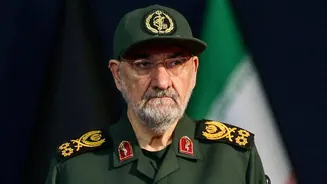
“If the economic war continues, not a single drop of oil will be exported. neither through the Strait of Hormuz nor from anywhere in the Persian Gulf. Iran will regard any country’s participation in or support for America’s economic war against the Iranian people as an act of war,” Iran’s Supreme National Security Council Secretary Mohsen Rezaei said.
Iranian Foreign Minister Abbas Araqchi described Washington’s shift from military action back to sanctions as a sign of desperation rather than strength.
Iranian Foreign Ministry spokesperson Esmaeil Baghaei also criticised the sanctions threat. According to Al Jazeera, Baghaei said war and sanctions were “not unfamiliar” to Iran and noted that the Islamic Republic had been under sanctions for 20 years.
Iranian Parliament Speaker Mohammad Bagher Ghalibaf also mocked the latest threat, writing on X: “A frozen foreign policy delivers a frozen economy. The only thing still moving? The Iran boomerang.”
The full scale of Washington’s “economic D-Day” will become clear with Bessent’s announcement on Monday.