






Rainy days call for hot chai, cozy evenings, and lush green views, but they also create the perfect conditions for germs, mosquitoes, and waterborne infections to thrive. As humidity rises and water stagnates,
your chances of falling sick increase, too.
From seasonal fevers to stomach infections, the rainy season can trigger a range of health problems. However, a few simple hygiene habits and dietary changes can go a long way in keeping you healthy throughout the monsoon.
Common Monsoon Illnesses And Their Symptoms
Knowing the warning signs can help you seek timely medical attention.
High fever, chills, and severe joint pain: Could indicate mosquito-borne illnesses such as malaria, dengue, or chikungunya.
Vomiting, diarrhoea, and stomach cramps: Often linked to food poisoning, diarrhoea, or waterborne infections like cholera.
Persistent fever, abdominal pain, and loss of appetite: These may be symptoms of typhoid.
Red, watery, or irritated eyes: Can be a sign of viral conjunctivitis, commonly known as eye flu.
If symptoms persist or worsen, consult a healthcare professional without delay.
Monsoon Hygiene Tips To Stay Healthy
1. Wash Your Hands Frequently: Wash your hands with soap and water for at least 20 seconds, especially before eating, after using the washroom, and after returning home. Carry an alcohol-based hand sanitiser for times when soap and water aren’t available.
2. Shower After Getting Soaked: If you’ve been caught in the rain, take a shower as soon as you get home. Using clean water and an antiseptic soap can help wash away germs and reduce the risk of skin infections.
3. Don’t Ignore Foot Care: Your feet come into direct contact with muddy water during the rainy season, making them vulnerable to fungal and bacterial infections. Wash and dry them thoroughly after stepping indoors, paying special attention to the spaces between your toes.
4. Wash Fruits And Vegetables Thoroughly: Leafy greens and fresh produce can carry dirt, bacteria, and tiny insects during the monsoon. Rinse them well under clean water, or soak them briefly in salt water before cooking or eating.
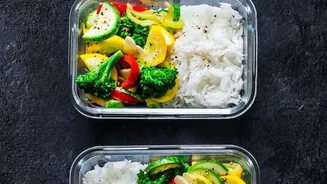
5. Eat Fresh, Home-Cooked Food: Avoid stale food and try to consume meals within two hours of preparation. It’s also wise to stay away from roadside food, pre-cut fruits, and uncovered juices, as they are more likely to be contaminated during the rainy season.
Simple Self-Care Tips For The Monsoon
Boost Your Immunity: Include immunity-supporting ingredients like ginger, garlic, turmeric, holy basil (tulsi), and black pepper in your daily meals to help your body fight seasonal infections.
Sip Warm Herbal Drinks: A cup of green tea or a warm herbal decoction made with tulsi, cinnamon, or giloy can be a comforting addition to your routine. While these traditional remedies are widely used, they should complement—not replace—a balanced diet and medical care when needed.
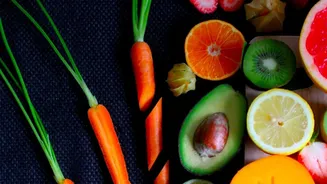
Choose Vitamin C-Rich Foods: Add fruits such as oranges, sweet lime, lemons, and Indian gooseberry (amla) to your diet to support your immune system. If you’re sensitive to citrus, avoid eating large amounts of cold or sour fruits late at night.
Drink Safe Water: Opt for boiled or warm drinking water whenever possible. It helps reduce the risk of waterborne infections and keeps you well hydrated.
Enjoy Warm, Nutritious Meals: A bowl of freshly made vegetable soup or a glass of fresh buttermilk with mint can be both nourishing and refreshing during the rainy season.
By maintaining good hygiene, eating fresh and nutritious food, staying hydrated, and supporting your immune system, you can reduce your risk of common seasonal infections and enjoy the rains without compromising your health.
If you develop persistent fever, severe dehydration, or other concerning symptoms, seek medical advice promptly.