








India carries one of the world’s heaviest burdens of viral hepatitis. According to the World Health Organization’s Global Hepatitis Report 2024, approximately 29.8 million people in the country are living
with chronic hepatitis B virus (HBV) infection, while another 5.5 million are living with hepatitis C virus (HCV).
The push gains special significance ahead of World Hepatitis Day on July 28, which this year focuses on breaking barriers to testing and early care.What Is Hepatitis A
To combat this India has intensified its fight against viral hepatitis, setting an ambitious target to eliminate the disease as a public health threat by 2030. The renewed push comes as the country strengthens its National Viral Hepatitis Control Programme (NVHCP), expands access to free testing and treatment, and integrates hepatitis care into existing public health services.
What Is Hepatitis?
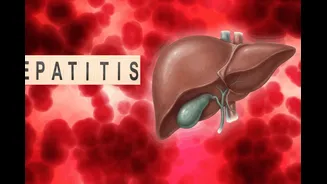
Hepatitis refers to inflammation of the liver and is commonly caused by five viruses: hepatitis A, B, C, D and E. While hepatitis A and E usually cause short-term illness and are often linked to contaminated food or water, hepatitis B and C can become chronic infections. If left untreated, these infections may silently damage the liver over several years, increasing the risk of cirrhosis, liver failure and liver cancer.
What Is India’s New Plan To Eliminate Hepatitis By 2030?
The NVHCP takes a health-systems approach, integrating hepatitis services with existing national health initiatives. It provides free diagnostics and medicines for hepatitis B and C, promotes safe blood transfusions, strengthens infection-control practices in healthcare settings, and prioritises prevention of mother-to-child transmission of hepatitis B.
Services are being decentralised from district hospitals to primary health centres so that testing and treatment reach communities closer to home. Smart use of local funding and affordable generic drugs has further expanded coverage, reflecting a commitment to inclusive care for every citizen.
The government’s strategy is centred on the National Viral Hepatitis Control Programme, launched in 2018 under the National Health Mission. The programme focuses on prevention, early diagnosis and universal access to treatment.
Key measures include:
- Free screening and diagnostic services for hepatitis B and C.
- Free antiviral medicines for eligible patients.
- Integration of hepatitis services with Ayushman Arogya Mandirs and other national health programmes.
- Digital patient tracking through the NVHCP Management Information System.
- Awareness campaigns promoting early testing, vaccination and treatment adherence.
- Strengthening surveillance for hepatitis A and E through the Integrated Disease Surveillance Programme.
Why Is Routine Screening Critical for Hepatitis B and C?
Many people with chronic hepatitis B or C experience no symptoms for years. By the time fatigue, jaundice or abdominal pain appear, significant liver damage may already have occurred. High-risk groups include healthcare workers, dialysis patients, pregnant women, people who received blood transfusions in earlier decades, and household contacts of infected individuals. Widespread screening allows early detection, enables timely treatment and reduces onward transmission within families and communities.
Health experts recommend timely screening, particularly for people with risk factors or family history, because early diagnosis allows treatment to begin before irreversible liver disease develops. Modern antiviral medicines can effectively suppress hepatitis B and cure most hepatitis C infections, significantly reducing the risk of severe complications.
Can Vaccination Help Prevent Hepatitis?
Vaccination remains one of the most effective tools against hepatitis B. India introduced the hepatitis B vaccine under its Universal Immunisation Programme and continues to immunise newborns and infants, reducing the likelihood of lifelong infection.
Meanwhile, improving infection control practices, ensuring safe blood transfusions, promoting sterile medical procedures and spreading awareness about safe injection practices are also essential to reducing transmission.
Is Hepatitis Preventable?
Doctors recommend simple preventive steps to reduce the risk of viral hepatitis:
- Get vaccinated against hepatitis B if eligible.
- Practice safe hygiene and consume clean food and drinking water.
- Avoid sharing needles, razors or toothbrushes.
- Ensure blood transfusions and medical procedures are performed using sterile equipment.
- Consider hepatitis screening if you belong to a high-risk group or have a family history of hepatitis.
Seek medical advice promptly if you develop persistent fatigue, jaundice, abdominal swelling or unexplained liver-related symptoms.