






Iran on Thursday rejected US Secretary of State Marco Rubio’s assertion that Yemen’s Houthi rebels are “agents and proxies” of Tehran, insisting that the group acts independently and takes orders from
no one.
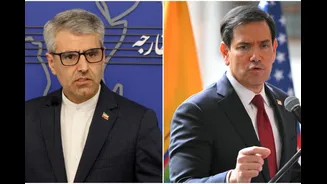
Iranian Foreign Ministry spokesman Esmail Baghaei hit back at Rubio in a post on X, saying: “Marco Rubio’s lies cannot replace facts. Ansarallah is an independent Yemeni actor that makes its own decisions; it takes orders from no one and acts as nobody’s proxy.”
Marco Rubio’s lies cannot replace facts. Ansarallah is an independent Yemeni actor that makes its own decisions; it takes orders from no one and acts as nobody’s proxy.
The roots of instability in the region lie in U.S. military interventions and hegemonic policies. If…
— Esmaeil Baqaei (@IRIMFA_SPOX) September 9, 2026
Baghaei’s remarks came amid a sharp escalation between the Houthis and the Saudi-led coalition, with the conflict adding to wider tensions across the region.
Iran Hits Back At Rubio
Baghaei blamed the broader regional instability on what he called US “military interventions and hegemonic policies”, arguing that Washington should end its involvement in the region if it genuinely wants peace.
“Peace in Yemen cannot be imposed through bombs and external pressure,” he said, adding that it should instead begin with “genuine negotiations” based on a roadmap agreed by the parties.
Rubio had made his remarks on Tuesday while speaking to reporters before departing for South America. He said there was clearly an “Iranian hand” behind the latest Houthi attacks on Saudi Arabia.
“The Houthis in many ways are agents and proxies of the Iranians. I think behind some of this is clearly the Iranian hand,” Rubio said.
He also reaffirmed Washington’s “very strong defensive, military relationship” with Saudi Arabia, saying the US was closely monitoring developments.
Houthi-Saudi Fighting Escalates
The exchange comes as Houthi rebels and the Saudi-led coalition continue to trade airstrikes.
The Houthis said more than 50 attacks targeted several areas in Yemen on Wednesday, including Taiz and Hodeida, where fighting has intensified between the rebels and Saudi-backed government forces.
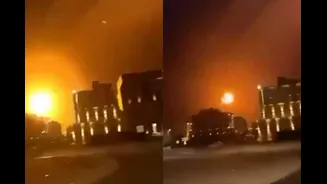
On Tuesday, the Houthis had carried out their heaviest missile and drone attacks on Saudi Arabia in years, setting oil facilities ablaze and wounding 73 people, according to the reported toll.
The Saudi-led coalition said the Houthis launched fresh attacks on southern parts of the kingdom, while Houthi media reported further Saudi airstrikes.
The fighting has also raised concerns over wider regional instability and threats to global energy supplies. The latest escalation comes as the Middle East war, which erupted in late February with US-Israeli strikes on Iran, continues to deepen tensions across the region.
(With inputs from agencies)