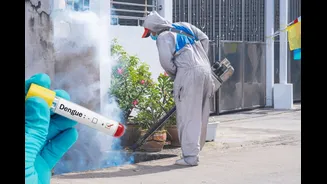








Delhi-NCR and several other parts of the country are seeing a rise in H1N1, or swine flu, and other respiratory infections amid humid and changing weather conditions, health experts said. Doctors have
also reported cases of dengue and H3N2, another strain of influenza A.
Experts said monsoon conditions often lead to a rise in seasonal infections and urged people, particularly those at higher risk, to take precautions.
Doctors Flag Rise In Seasonal Infections
Dr Neeraj Nischal, Professor of Medicine at AIIMS Delhi, said common cold, influenza and other viral fevers causing respiratory symptoms are frequently seen during this season.
Symptoms can include a runny nose, cough, fever, body aches and fatigue. He said the risk of complications from influenza is higher among elderly people, those with other health conditions and patients with respiratory illnesses such as COPD or asthma.
Dr Manohar K N, Lead Consultant, Internal Medicine and Diabetology at SPARSH Hospital in Bengaluru, said his hospital has also seen an increase in seasonal H1N1 cases.
“Around five to six patients per day are reporting flu-related symptoms such as sudden high fever, coughing and body pains,” he said. Of these, around two to three patients are being admitted, he added.
He said hospital admissions are generally required for vulnerable patients who develop severe breathing difficulties, while milder cases are treated on an outpatient basis.
Dengue, H3N2 Also Reported
Dr Harpreet Kaur of Aakash Healthcare said there has been a “definite spike” in dengue and H1N1 cases across Delhi. She said the hospital reported cases of both illnesses in July, while H1N1 cases increased significantly in August.
Dr Sunil Rana, Associate Director and Head of Internal Medicine at Asian Hospital, said his hospital is also seeing dengue, swine flu and H3N2 cases, with symptoms ranging from cough and throat pain to severe pneumonia.
Doctors have advised people to maintain respiratory hygiene, wear well-fitted masks in crowded places, avoid self-medication and seek medical advice when flu symptoms develop.
Experts also said high-risk groups can consider influenza vaccination as a preventive measure.
Dr Rana said more people are now seeking medical help early instead of waiting for symptoms to worsen, which he attributed to greater awareness about seasonal illnesses.
(With inputs from ANI)