




Flood Scenes Across India: As heavy rain continues across parts of North India, dramatic flood-like scenes have emerged from some of the country’s best-known pilgrimage and tourist destinations. From Chitrakoot
and Varanasi in Uttar Pradesh to Kainchi Dham in Uttarakhand, swollen rivers, submerged shops, flooded roads and evacuations have disrupted daily life.
Yet, compared with disasters involving large numbers of deaths, widespread urban inundation or prolonged displacement, these incidents have received relatively limited sustained national attention.
That raises a larger question: why do some floods become major national stories while others, despite striking visuals and significant local disruption, receive comparatively less focus?
The answer may lie partly in the nature of the flooding, the human toll and how quickly the situation develops.
Chitrakoot Has Seen A Major Flooding Crisis
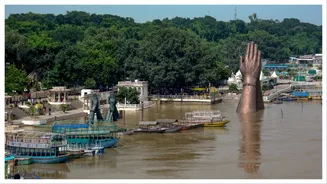
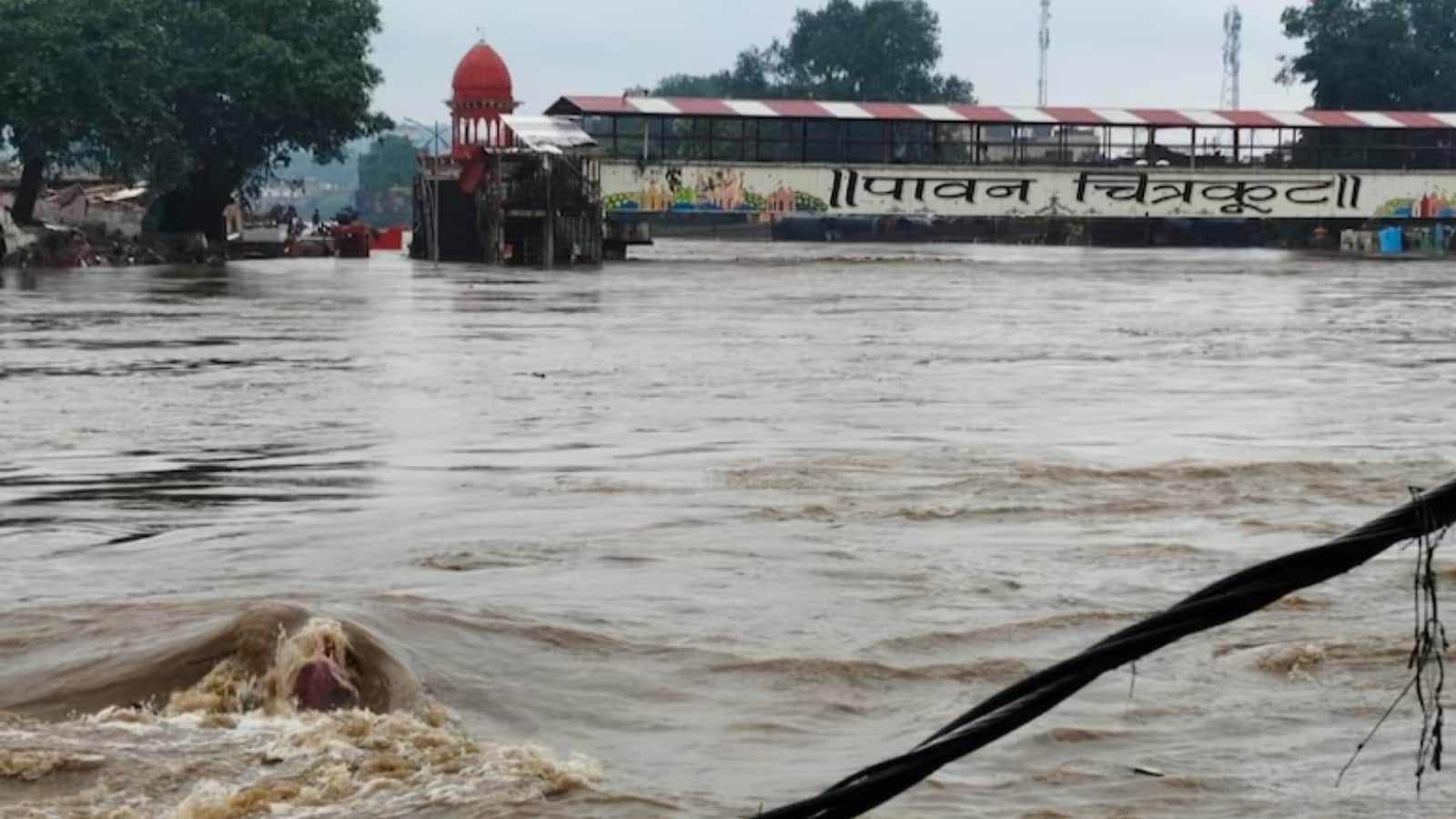
Chitrakoot has arguably experienced the most dramatic situation among the three locations.
The Mandakini River surged following heavy rainfall in its catchment areas in eastern Madhya Pradesh, inundating parts of the pilgrimage town on both sides of the Uttar Pradesh-Madhya Pradesh border.
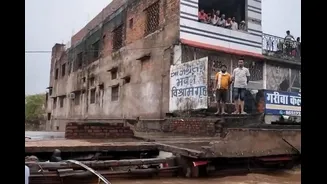
Water entered Ramghat and surrounding areas, submerging hundreds of shops selling puja items, clothing, utensils, groceries and other goods. Religious sites, hotels and dharamshalas were also affected.
Families being rescued from submerged homes in Chitrakoot along the UP-MP border. https://t.co/fNwNxxNpWs pic.twitter.com/d36YShLH1Q
— Piyush Rai (@Benarasiyaa) September 1, 2026
At one point, floodwaters rose so rapidly that people were stranded on rooftops and terraces. NDRF and SDRF teams were deployed, while helicopters were used to evacuate people. More than 700 people were reportedly rescued during the emergency, while other reports put the initial rescue figure at nearly 1,000.
The flooding also damaged the bridge connecting the Ramghat-Nayagaon stretch with the Hanuman Dhara side.
There was a human toll too. While authorities on the Madhya Pradesh side reported no deaths during the initial rescue operation, local reports from Uttar Pradesh reported at least two deaths and one person missing. Four boatmen were also swept away near Arogyadham after their boat capsized, though an NDRF team rescued them around two kilometres away.
And the crisis did not end when the water began receding.
The Mandakini rose again, sending fresh water towards Ramghat and low-lying areas. Further downstream, the Yamuna was also in spate, with its water level in Rajapur reportedly reaching around 91 metres against a danger level of approximately 88 metres.
More than a dozen villages faced disrupted connectivity as roads were flooded.
Varanasi’s Ghats Turn Into Emergency Zones
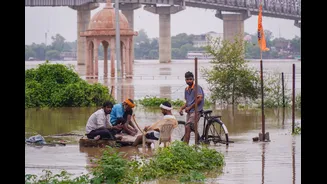
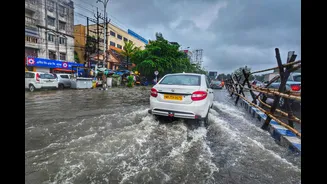
Varanasi has faced a very different kind of flood-like disruption. The rising Ganga inundated traditional cremation areas at Manikarnika and Harishchandra ghats, forcing cremations to be shifted to rooftops and nearby lanes.
The Central Water Commission recorded the Ganga at 70.28 metres at 10 am, marginally above its warning level of 70.26 metres but still below the danger mark of 71.262 metres. The river was reportedly rising at around 0.5 centimetres per hour.
Boats entered several waterlogged lanes, while families living near the Varuna River were moved to relief camps.
उत्तर प्रदेश का जिला चित्रकूट इस वक्त मंदाकिनी नदी में आई बाढ़ से डूबा पड़ा है। नदी किनारे कई सौ मकान–दुकान डूब गए हैं। सड़कें नदी जैसी बन गई हैं। इस Video में एक मंजिला मकानों/दुकानों की सिर्फ छत दिखाई दे रही है। pic.twitter.com/5KPtW9V12v
— Sachin Gupta (@Sachingupta) September 1, 2026
The images are striking. But again, the distinction is important: a river crossing its warning level is not automatically the same as a catastrophic flood.
That difference can influence both the immediate response and the amount of sustained attention a situation receives.
Kainchi Dham Sees A Rapid Rise In Water
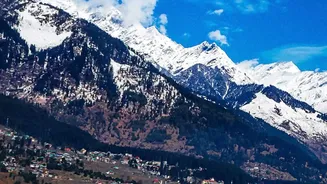
In Uttarakhand, heavy rainfall over 24 hours caused the Shipra River near Kainchi Dham in Nainital district to rise rapidly. The sudden increase in the river’s flow heightened concerns in surrounding areas.
The episode is also a reminder of a less visible aspect of life in the hills. During Uttarakhand’s monsoon season, families can face water seeping through walls, overflowing gadheras and saturated slopes, while debris and unstable hillsides can threaten homes.
In Pandey Chhor and Alchauna near Bhimtal, for instance, reports indicated that water and debris were moving towards houses after a section of hillside gave way. These incidents may not always produce the kind of mass-casualty figures that dominate national headlines, but they can leave individual communities dealing with repeated seasonal risks.
उत्तराखंड में भारी बारिश, कैंची धाम में उफनाई शिप्रा नदी….वीडियो
उत्तराखंड में पिछले 24 घंटे से हो रही भारी बारिश के बाद नैनीताल जिले के कैंची धाम में शिप्रा नदी का जलस्तर तेजी से बढ़ गया। नदी का बहाव अचानक तेज होने से आसपास के इलाकों में चिंता बढ़ गई है। pic.twitter.com/n0Zm9vUTg8
— आदित्य तिवारी / Aditya Tiwari (@aditytiwarilive) September 1, 2026
The Flash Flood Versus The Chronic Deluge
One of the biggest reasons some flood events dominate attention is how they unfold. Flash floods can transform a landscape within minutes or hours. A river can rise suddenly, roads can disappear, bridges can be damaged and people can become trapped before authorities have time to respond.
Chronic or prolonged flooding is different.
When water rises gradually over days, communities may have more time to evacuate, move belongings and prepare relief measures. The disruption can nevertheless be severe, particularly for traders, farmers and families living in low-lying areas.
Chitrakoot sits somewhere between these two narratives. The Mandakini’s sudden surges produced dramatic rescue operations, but the continuing rise and fall of water also created a prolonged crisis for people living and working along the river.
For a shopkeeper whose entire stock has been submerged, the absence of a large death toll does not mean the disaster is insignificant.
Why Doesn’t The Spotlight Always Follow The Damage?
There is also a difficult reality about disaster coverage: human casualties often determine the scale of attention. A disaster that kills dozens or hundreds of people tends to generate sustained national coverage. Images of mass evacuations, collapsed buildings and large-scale destruction also attract attention because the scale of the event is immediately apparent.
A flooded market with hundreds of shops underwater can cause enormous economic losses without producing a comparable death toll.
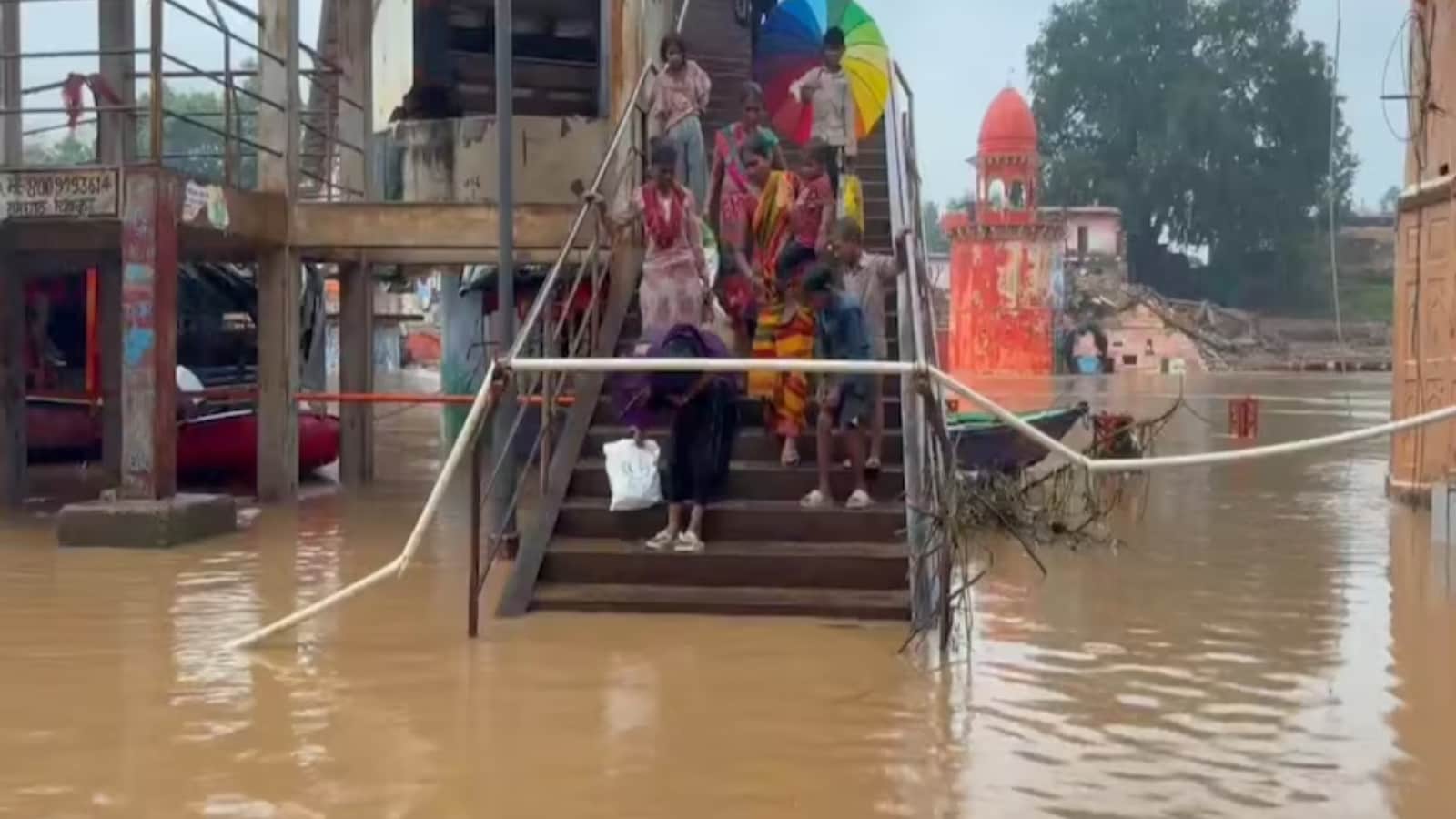
Similarly, repeated monsoon flooding can become normalised in places where residents experience it every year.
That does not make it less serious. In fact, the absence of deaths may sometimes indicate that early warnings, evacuations and rescue systems worked.
Chitrakoot’s deployment of NDRF, SDRF, police, administrative teams and helicopters is one example of a disaster response focused on preventing a bad situation from becoming a far larger tragedy.
Pilgrimage Towns Add Another Layer
There is another factor: places such as Chitrakoot, Varanasi and Kainchi Dham are heavily associated with pilgrimage and tourism.
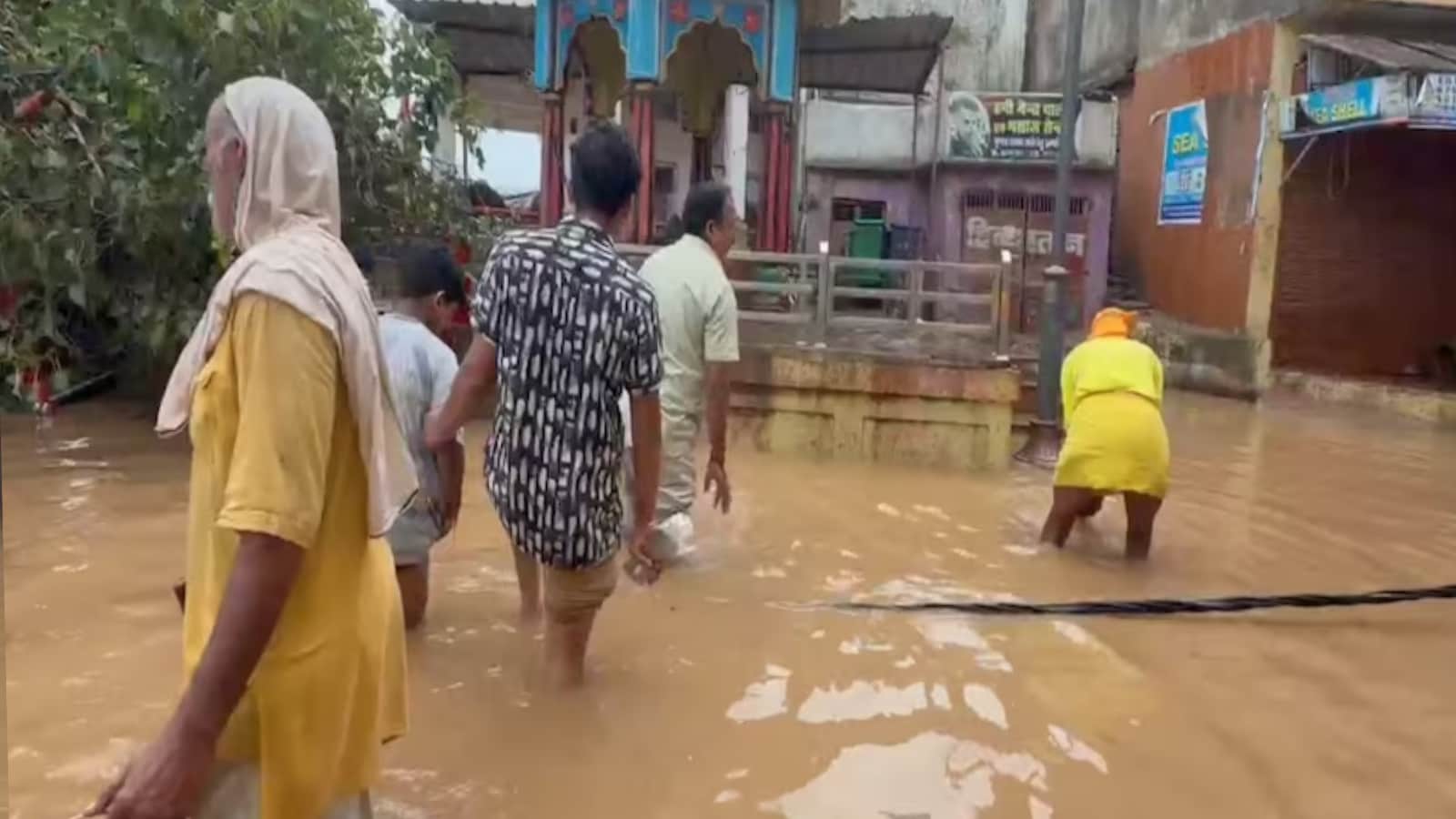
When water rises around temples, ghats and religious sites, the images can be dramatic, but attention can quickly shift once pilgrims are moved to safety and the immediate danger appears contained.
For residents and businesses, however, the consequences continue long after the television cameras move on.
Shops have to be cleaned. Stock has to be assessed. Roads and bridges need repairs. Homes affected by mud and contaminated water need attention. Farmers may have to assess damaged crops, while authorities have to monitor rivers that could rise again.
A Flood Does Not Need A High Death Toll To Matter
The limited sustained focus on these events should therefore not be read as an indication that the flooding has been minor.
Chitrakoot has seen hundreds of shops submerged, infrastructure damaged and large-scale rescue operations. Varanasi has seen the Ganga enter areas central to the city’s religious life, while Kainchi Dham and other parts of Uttarakhand continue to face the recurring risks of swollen rivers, saturated slopes and landslides.
The more useful question may be not “Why wasn’t this a bigger disaster?”, but “How much damage can happen before a disaster becomes a national story?”
For communities living beside rivers or below unstable hillsides, flood risk is not measured only in fatalities. It is also measured in lost livelihoods, damaged homes, disrupted roads, submerged shops and the anxiety of waiting for the next rise in water.
And this monsoon, that quieter story is unfolding across several of India’s most recognisable destinations.