


As 2026 approaches, India’s spice industry stands at an inflection point. Long celebrated for its sheer diversity and intensity, the future of spices is now being shaped as much by intention, wellness,
and provenance as by heat and aroma. Industry leaders, chefs, and entrepreneurs agree that the next phase of growth will be defined not by louder flavours, but by smarter, more thoughtful use.
India’s Dominance And What Comes Next
Spices continue to command a significant share of both the Indian domestic and global food markets. According to Akshita Khanna, co-founder, Orika Spices, the last decade has firmly cemented India’s position as the world’s largest producer of spices, supported by rising production, stronger exports, and a marked shift towards better-quality, origin-led, and packaged products.
“In 2025, the Indian spice market reached an estimated USD 9.58 billion domestically, with exports totalling approximately USD 4.72 billion,” notes Khanna. “By 2026, India will continue to lead global spice production and exports, with the market projected to grow to nearly USD 26.95 billion by 2033 at a CAGR of around 8.1 percent.”
The Spice Board of India’s ambitious target of USD 10 billion in exports by 2030 is backed by improved supply chains, supportive climatic conditions, and government initiatives aimed at strengthening agricultural and manufacturing infrastructure.
Traditional Roots, Modern Preferences
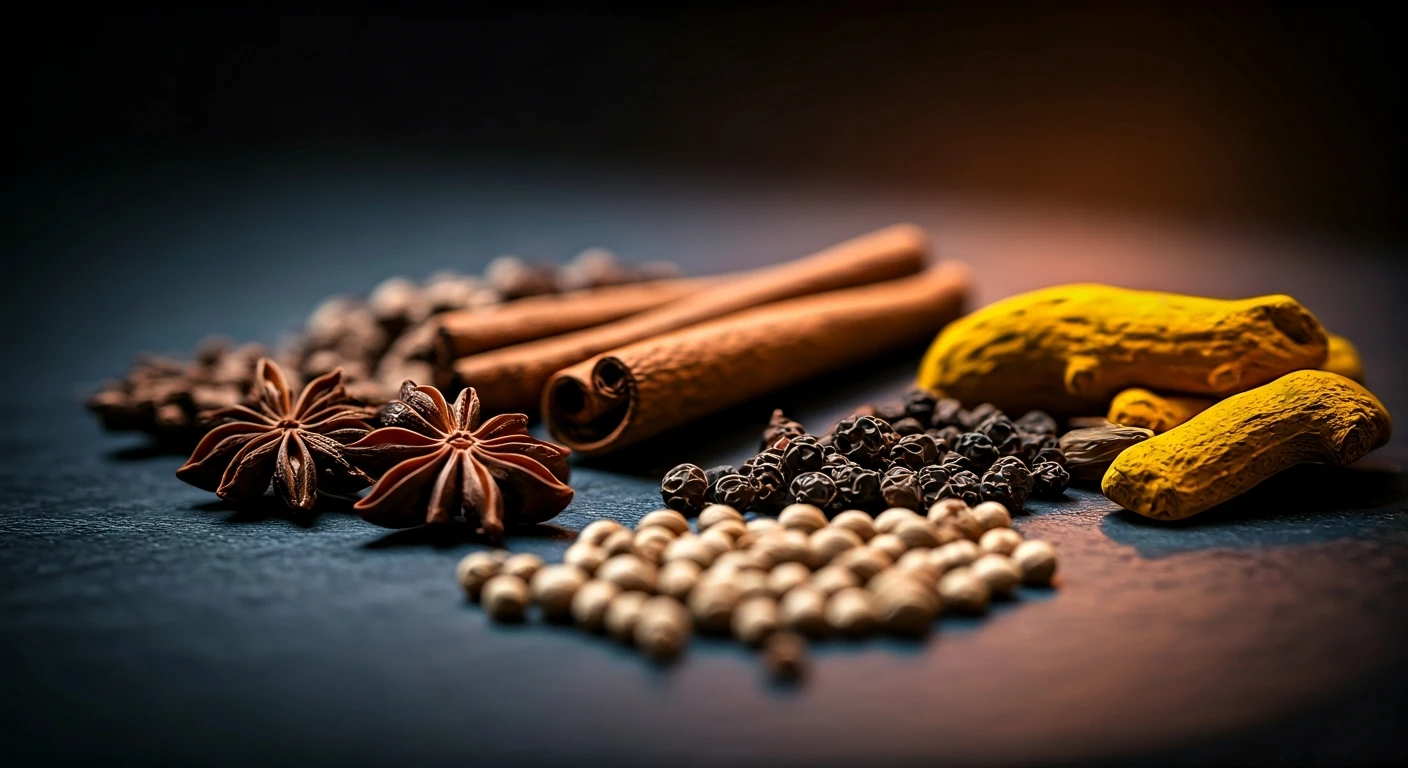
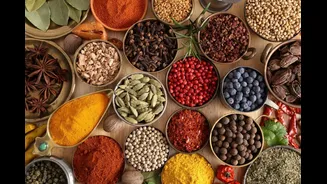
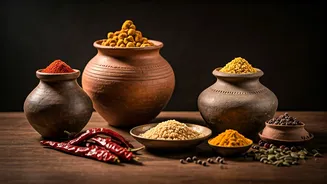
Despite evolving consumption patterns, demand for traditional whole spices remains robust. Turmeric, cumin, chilli powder, coriander, black pepper, mustard seeds, cardamom, cinnamon, cloves, bay leaf, tamarind, nutmeg, mace, star anise, and fenugreek continue to anchor Indian kitchens and exports alike.
At the same time, spice blends and seasonings are seeing sustained growth. “Products like garam masala, biryani mix, chaat masala, pav bhaji masala, kitchen king, and regional blends such as chole masala, panch phoran, sambar, and rasam masala remain highly sought after,” Khanna explains. With vegetarianism on the rise, she adds, 2026 will see increased demand for vegetarian-only spice blends.
Health-conscious consumers are also reshaping the market. Organic, naturally grown spices, free from artificial enhancements are becoming non-negotiable. This shift is pushing spice brands to invest heavily in quality control, traceability, and cleaner production methods. Value-added formats, particularly ready-to-use and convenience-focused products, are also expected to expand rapidly, driven by urbanisation, smaller households, busy lifestyles, and a growing appetite for global cuisines.
Intent Over Intensity
While numbers and demand trends tell one story, chefs working closely with spices see a deeper cultural shift underway. Chef Ishijyot, founder, Mulk and SJI Gourmet, believes the spice narrative of 2026 will be less about boldness and more about balance.
“By 2026, spices will no longer be defined by how spicy they are, but by how thoughtfully they’re used,” he says. Drawing from his childhood memories of watching his grandmother grind masalas on a silbatta, Ishijyot observes that today’s consumers are seeking depth and clarity rather than excess. “People don’t want more masala, they want better masala.”
One of the most significant shifts he foresees is the rise of purpose-led spice blends. Generic, all-purpose masalas are gradually losing relevance, replaced by blends designed specifically for dals, vegetables, rice, or proteins. “When a spice respects the ingredient it supports, flavours stay cleaner and more balanced,” he explains, adding, “One thoughtful spice can do the job of five noisy ones.”
Clean labels, shorter ingredient lists, and transparent sourcing are also becoming markers of premium quality. “The new luxury in spices is knowing exactly what you’re eating,” Ishijyot says, pointing to simplicity as the future of brand credibility.
Regional Intelligence and Education-Driven Brands
Another defining trend for 2026 is the resurgence of regional masala intelligence. Instead of homogenised, pan-Indian flavours, consumers are rediscovering the nuanced warmth of Punjabi masalas, the aromatic finesse of Awadhi blends, and the tempering logic intrinsic to South Indian spice mixes.
“Regional masalas won’t be emotional add-ons, they’ll be strategic advantages,” asserts Ishijyot. He also believes that the most successful spice brands will move beyond marketing and become educators, teaching consumers how much spice to use, when to add it, and why restraint matters. “The brands that explain will always outlast the brands that exaggerate.”
New Flavours, Unconventional Applications
Alongside tradition and restraint, innovation will continue to shape flavour preferences. Shivani Sharma, Chefpreneur and Founder of Gourmestan, highlights the emergence of unexpected ingredients and creative applications in the spice space.
“Black currant is being touted as the flavour of the year for 2026,” she says, noting that the berry’s deep purple hue and nuanced tart-sweet profile can elevate everyday dishes into something aspirational. Originating in Europe and Central Asia, black currant is finding renewed relevance in global flavour palettes.
Sharma also points to the continued dominance of Indian-origin spices such as Kashmiri saffron and the Naga King Chilli, albeit in unconventional formats. “Expect to see Kashmiri saffron moving beyond savoury dishes into beverages and chocolate, especially within the wellness-luxury segment,” she says. Meanwhile, Naga chillies are increasingly being used in ‘swicy’, sweet-spicy, applications aimed at adventurous consumers.
Challenges on the Horizon
Despite strong fundamentals, the road ahead is not without obstacles. Khanna cautions that fluctuating weather patterns, particularly unpredictable monsoons, are impacting cultivation quality and yields, driving up costs and squeezing margins. Rising competition from countries such as Indonesia and Vietnam, which are investing heavily in high-level production, also presents a challenge especially as India seeks a stronger foothold in the global seasoning market.
The Road to 2026
Even with these pressures, India is expected to retain its leadership in spice production, domestic consumption, and exports through 2026. What remains to be seen is how effectively the industry navigates climate challenges, global competition, and evolving consumer expectations.
If the voices shaping the industry today are any indication, the future belongs to spices that are cleaner, more intentional, regionally rooted, and intelligently used. As Ishijyot succinctly puts it, echoing the wisdom of generations past: in 2026, “the most powerful masala won’t be the strongest, it will be the most understood.”