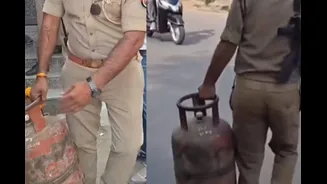









The ongoing LPG gas shortage is now visibly affecting both households and local markets in Varanasi, Uttar Pradesh, disrupting routine life and small businesses alike. The impact has been particularly
severe in the city’s bustling food hubs, where the gas supply crunch has forced shopkeepers to rethink their operations.
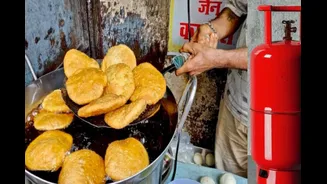
Even the popular kachori shops of Varanasi are grappling with the gas crisis. With schools currently closed, the city has been witnessing a surge in visitors and devotees, increasing demand for local food.
However, the shortage of cooking gas has reportedly left many shopkeepers struggling to meet this demand.
Key Areas Witness Major Impact
Several prominent localities, including Kachori Gali near the Vishwanath Temple, Manikarnika Ghat Gali, Brahmanal, Thatheri Bazaar, Chowkamba, Maidagin, Kabir Chaura, Golghar and Sigra, have been significantly affected. Reports suggest that nearly 60% of sweet shops and kachori outlets in these areas are facing disruptions in one form or another.
While some shops have shut down temporarily, others have been forced to cut their production by nearly half.
Shift To Traditional Cooking Methods
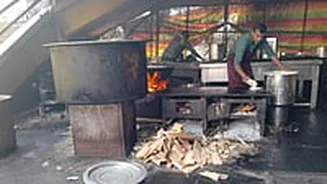
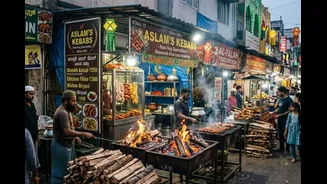
In the absence of adequate gas supply, many shopkeepers have resorted to traditional cooking methods such as wood and coal-fired stoves. What was once a choice has now become a necessity for survival.
However, this alternative comes with its own set of challenges. The cost of wood and coal is considerably higher, increasing operational expenses for already struggling businesses.
Apart from the financial burden, the use of wood-fired stoves has created health concerns. Thick smoke from the stoves is causing irritation in the eyes of both shopkeepers and customers, while also affecting passers-by in these crowded lanes.
The narrow streets, especially in areas like Kachori Gali, make it difficult for the smoke to disperse, worsening the situation.
A shopkeeper who runs a kachori-jalebi shop near the Vishwanath Temple, said they have been left with no option but to cook kachoris and vegetables on wood stoves.
“We cannot keep our shop closed indefinitely, but this arrangement brings several problems. Wood is expensive, which increases our costs, and the smoke troubles us, our customers and even people passing by,” he said, highlighting the daily challenges faced by vendors.
Temporary Adjustments To Manage Smoke
To cope with the situation, some well-known shops in Kachori Gali have started preparing puris, kachoris and vegetables at locations slightly away from their main outlets. This is being done to prevent smoke from filling the narrow lanes and to reduce inconvenience to customers and nearby residents.
Meanwhile, several smaller shops have been forced to shut down completely due to the inability to manage costs and logistics.
Despite these temporary adjustments, shopkeepers remain uncertain about how long they can continue operations under such conditions. The makeshift arrangements are neither cost-effective nor sustainable in the long run.
As the LPG shortage persists, the future of these iconic food hubs hangs in the balance, raising concerns over livelihoods as well as the city’s famed culinary culture.