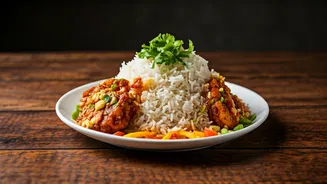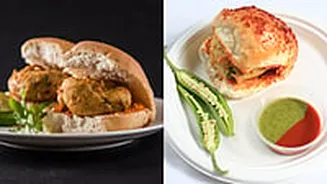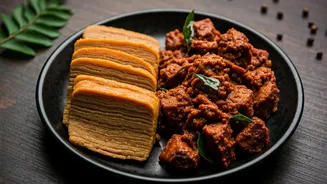








India’s fast-food story is no longer just about speed, value, and convenience. It is increasingly about familiarity, comfort, and flavours that feel closer to home. As consumer preferences evolve, quick-service
brands are discovering that regional identity plays a powerful role in shaping what people choose to eat, even when they are eating on the go.
This shift has led to a quiet but meaningful transformation in menus across the country. Instead of relying solely on standardised, pan-India offerings, brands are beginning to rethink how their core menus can reflect hyperlocal tastes and eating habits.
As Arjun Toor, co-founder, RollsKing, explains, the opportunity lies not in adding temporary regional specials but in designing menus that feel inherently local. He notes that in a country as culturally diverse as India, taste preferences can change every few hundred kilometres, and brands that acknowledge this reality are better positioned to grow sustainably.
At RollsKing, this philosophy comes naturally. The Kathi Roll itself originated as a regional street delicacy before becoming a pan-India comfort food. “Our focus has always been on adapting flavours, not changing the format,” says Toor. This means adjusting gravies, spice levels, and protein combinations depending on where the brand operates. What works in North India may require subtle changes in heat, texture, or accompaniments in southern or western markets.
Hyperlocal adaptation, he points out, goes beyond flavour alone. Eating occasions, portion sizes, and even carb preferences differ from city to city. Brands that take the time to understand these nuances rather than chasing only national trends build deeper relevance with consumers.
A similar observation comes from Mandeep Singh, Managing Director, Arabian Delites, who believes that fast food is increasingly becoming a space where cultural familiarity matters as much as speed. He notes that diners today are drawn to options that reflect their everyday eating habits and regional roots, even within quick-service formats.
According to Singh, regional flavours offer more than taste, they create an emotional connection and a sense of identity with the brand. This is pushing fast-food players away from a one-size-fits-all approach toward thoughtful hyperlocalisation. That could mean adapting spice levels, incorporating locally preferred ingredients, or reinterpreting traditional flavour profiles within familiar formats.
The challenge, he adds, is maintaining brand consistency while allowing enough flexibility to resonate with regional tastes. Striking this balance is what allows brands to stay culturally current while retaining recognisability.
Technology and data are playing a role in this evolution. As Toor notes, ordering patterns and customer feedback offer valuable insights into preferences. Yet, he emphasises that on-ground learning and instinct remain equally important. Regional adaptation works best when it is driven by real consumer behaviour rather than top-down menu ideas.
Together, these perspectives highlight a broader truth about India’s fast-food future: relevance is becoming local. Hyperlocal menus are not just a trend but a strategy that fosters loyalty, encourages repeat visits, and helps brands embed themselves meaningfully into diverse markets.
In a landscape where authenticity and relatability increasingly influence dining choices, the fast-food brands that listen closely to local tastes may be the ones that grow the fastest.