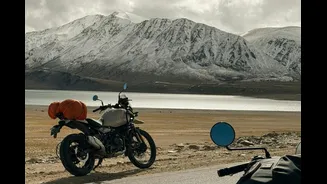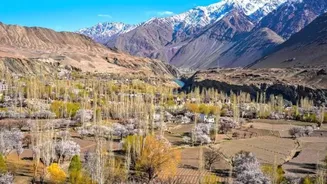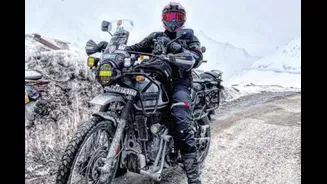





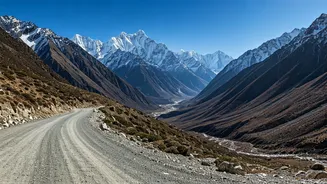
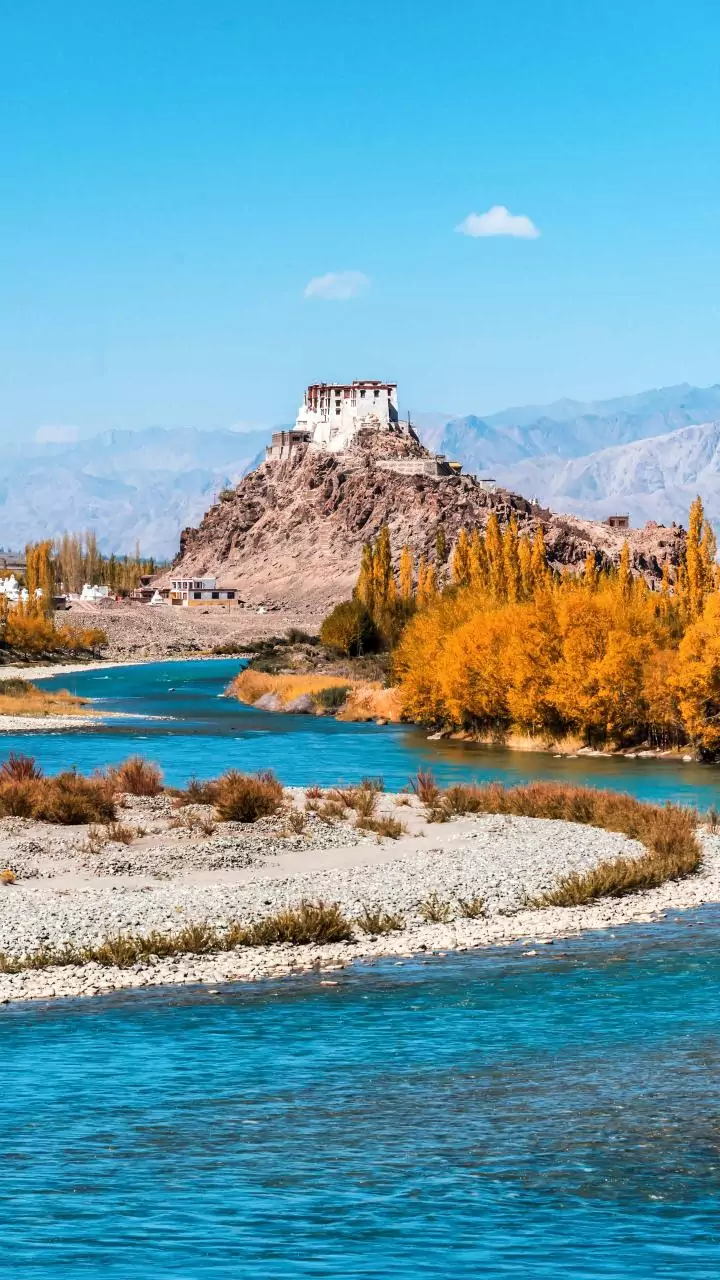
As the summer season approaches, the land of high passes opens up to travellers, and no one enjoys this more than motorcyclists. The challenging terrains of Ladakh and Spiti have long been dream destinations
for biking enthusiasts, attracting riders from across demographics every year.
That said, many travellers heading to high-altitude regions often make avoidable mistakes that can turn their journey into an unpleasant experience.
For first-time riders heading into the mountains, Sami Sayyed, an avid motorcyclist and member, Inddie Thumpers, shares essential do’s and don’ts to help you plan better and enjoy the thrill without worry.
Do’s
Choose the right riding gear
Opt for certified jackets, pants, boots, and gloves that are durable and offer good airflow for daytime rides, along with winter and rain liners to adapt to changing weather. Carry waterproof riding shoes and, if possible, invest in waterproof socks. It’s also advisable to pack an additional raincoat and pants, as they help retain warmth in single-digit temperatures.
Pack layers for extreme cold conditions
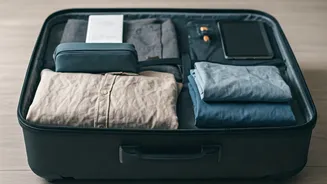
Layering is crucial in high-altitude regions. Pack full-sleeve fleece t-shirts, insulated pants, and gloves suitable for sub-zero temperatures. Additionally, carry thermals, a windproof jacket, a balaclava, and warm socks to stay comfortable during cold nights.
Stay well-hydrated
Don’t be misled by the cold weather, high altitudes increase the risk of AMS (Acute Mountain Sickness), as your body requires more water to process oxygen efficiently. Carry a water bladder and aim to drink at least 4–6 litres of water daily.
Eat in moderation and focus on nutritious food
Digestion tends to slow down at higher altitudes, so avoid overeating. Carry nuts, dry fruits, and protein bars for quick energy. Keep your main meals light and easy to digest.
Acclimatise properly
This is one of the most important yet often overlooked aspects. Spend at least 48 hours at a moderate altitude before heading higher to allow your body to adjust.
Don’ts
Avoid smoking and alcohol before ascending to higher passes
While it may seem tempting in cold weather, both alcohol and smoking reduce oxygen absorption and increase the risk of altitude-related issues. Let your body adjust naturally.
Don’t push yourself beyond your limits
Watch out for signs like exhaustion, dizziness, or shortness of breath. Overexertion in such harsh environments can quickly become dangerous.
Don’t skip essential toiletries
Basic hygiene remains important even on expeditions. Carry sanitisers, wet wipes, and essential toiletries to stay clean and prevent infections during long rides.
Avoid draining your energy at high altitudes
Oxygen levels are significantly lower at higher elevations. Limit unnecessary stops, avoid prolonged photo breaks, and descend to safer altitudes as soon as possible.