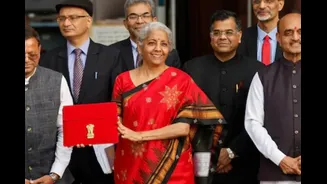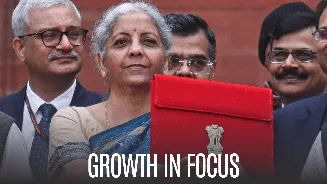






If you are planning to travel or study abroad, then Nirmala Sitharaman’s Sunday budget will surely lift your spirits.
The finance minister, while presenting her ninth Union Budget, announced that Tax Collected
at Source (TCS) on overseas tour packages would be brought down from the earlier rates of 5 per cent and 20 per cent to 2 per cent with no minimum amount condition, pulling down the booking cost and making international travel more affordable for the aam aadmi.
The move covers all overseas travel bookings and is intended to streamline payments while easing the upfront tax impact for travellers at the point of booking.
Similarly, TCS on education and medical remittances under the Liberalised Remittance Scheme (LRS) route has been cut from 5 per cent to 2 per cent, lowering the upfront deductions for families sending money abroad for studies or medical treatment.
Expenses such as university tuition, medical treatment, or international travel often run into several lakhs. A lower TCS means families don’t have to block a large sum with the government for months before refunds or adjustments, helping them manage savings, EMIs and day-to-day expenses more comfortably.
For middle-class families relying on education loans, personal savings or short-term borrowing, the cut reduces the need for additional loans or distress withdrawals. This is particularly helpful for parents funding children’s overseas studies or medical treatment abroad.
Officials view the revised TCS framework as an effort to ease the cash-flow strain that travellers and service providers experienced after the sharp hikes introduced in 2023. With overseas travel picking up strongly after the pandemic and becoming a major source of foreign exchange outgo, the change is expected to give a meaningful lift to outbound tourism.
The travel and tourism sector, which had long raised concerns about the earlier TCS regime being too onerous, is likely to gain from better liquidity and faster, hassle-free transactions. Tour operators expect the sharp reduction in upfront costs to translate into a rise in bookings for overseas travel packages.
Explaining the impact of the move, Nishant Pitti, founder & chairman, EaseMyTrip, said: “The Union Budget gives a strong and positive push to the travel and tourism sector by recognising it as a key driver of employment and economic growth. The focus on destination development, tourism infrastructure, digital mapping of tourist sites, and skill development will significantly boost both domestic and inbound tourism. The reduction in TCS on overseas tour packages to 2 per cent is a welcome move and will help revive outbound travel demand. Overall, the budget lays a solid foundation for building India as a global tourism hub.”
While TCS is adjustable later, many taxpayers faced delays or confusion in claiming refunds. Lower collections mean fewer reconciliation issues and smoother tax filing for individuals. To put it simply, the TCS reduction doesn’t remove the tax liability but removes the cash-flow pain, ensuring that families spend less upfront and keep more money in hand when they need it most.