







A slower heart rate is often associated with good cardiovascular fitness. However, as Dr. Naveen Bhamri, MD (Medicine), DM (Cardiology), and Vice Chairman of Interventional Cardiology, Max Super Speciality
Hospital, New Delhi, explains, “A low resting pulse can reflect endurance and efficiency, especially in individuals who exercise regularly but it is not always a sign of good health.”
Understanding when a slower heart rate is normal and when it may indicate a problem, is essential for maintaining overall well-being.
Understanding Bradycardia: When Slower Isn’t Better
Bradycardia refers to a heart rate of fewer than 60 beats per minute. While this can be normal during sleep or in well-trained athletes, persistent or symptomatic bradycardia may point to an underlying issue.
Dr Bhamri explains, “The heart relies on electrical signals generated by the sinoatrial (SA) node to maintain a steady rhythm. When these signals are delayed or disrupted, the heart may beat too slowly, affecting blood flow to vital organs.”
Reduced circulation can limit the delivery of oxygen-rich blood, particularly to the brain, leading to fatigue, dizziness, or even fainting.
The Challenge of Detection: A Silent Condition
One of the most concerning aspects of bradycardia is how easily it can go unnoticed. Symptoms are often subtle, intermittent, or mistaken for everyday issues such as stress, ageing, or lack of sleep.
According to Dr Bhamri, “Many patients dismiss early warning signs because they overlap with common health complaints, which delays diagnosis.”
Common symptoms include:
Persistent fatigue or weakness
Dizziness or light-headedness
Shortness of breath during mild activity
Reduced exercise tolerance
Confusion or difficulty concentrating
Fainting or near-fainting episodes
“It is important to pause, observe changes in your body, and decode your rhythm before the condition begins to significantly impact daily life,” he adds.
Fitness vs. Underlying Risk
For physically active individuals, a low resting heart rate is often a sign of good health. Endurance training increases vagal tone, naturally slowing the heart rate.
However, Dr Bhamri cautions, “A low heart rate in fit individuals can sometimes mask underlying rhythm disorders. The key is how the body responds to activity.”
A healthy heart should increase its rate appropriately during exercise and recover efficiently afterward. “If symptoms such as unexplained fatigue, reduced stamina, or dizziness appear alongside a low heart rate, it may indicate that the heart’s electrical system is not functioning optimally,” he explains.
Who Is Most at Risk?
While bradycardia can affect people of all ages, certain groups are more vulnerable.
Dr Bhamri notes, “Older adults are particularly at risk due to age-related wear and tear of the heart’s electrical system.”
Other at-risk groups include:
Individuals with chronic conditions such as diabetes, hypertension, or heart disease
Patients on medications that may slow the heart rate
Those with prior cardiac events or procedures
“In elderly patients, symptoms are often misinterpreted as normal ageing, which makes awareness and timely evaluation especially important,” he adds.
Why Early Diagnosis Matters
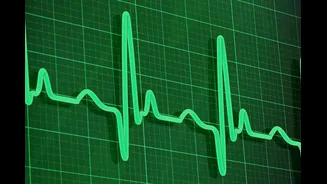
Bradycardia can be diagnosed through relatively simple tests such as an electrocardiogram (ECG) or extended monitoring using a Holter device.
Dr Bhamri emphasizes, “These tools help assess how the heart behaves during rest, activity, and recovery, enabling accurate diagnosis.”
Early detection is critical. “If left untreated, symptomatic bradycardia can lead to falls, injuries, reduced functional capacity, and in some cases, more serious cardiac complications,” he warns.
Treatment and Advancements in Care
The management of bradycardia depends on its cause and severity. Mild cases may only require adjustments to medications or treatment of underlying conditions.
However, “persistent or symptomatic cases often require pacemaker therapy to regulate the heart rhythm,” says Dr Bhamri.
Recent advancements have significantly improved treatment options. “Leadless pacemakers represent a major innovation in cardiac care,” he explains. Unlike traditional systems, these miniature devices are implanted directly inside the heart through a minimally invasive procedure.
Key benefits include:
Reduced risk of infection and hardware complications
No visible scars or device bulge
Faster recovery and improved comfort
Greater suitability for patients with specific medical conditions
“These advancements make treatment more patient-friendly and allow individuals, including older adults to return to their daily routines with minimal disruption,” he adds.
Living Well with a Healthy Rhythm
A slow heart rate is not always a cause for concern, but it should never be ignored when accompanied by symptoms.
Dr Bhamri concludes, “The key lies in awareness, understanding your body, recognizing changes, and acting on them.”
With modern diagnostics and evolving treatment options, bradycardia is highly manageable. “With early intervention and appropriate care, individuals can maintain their quality of life and ensure their heart continues to function effectively,” he says.
Disclaimer
Any and all information provided in this article reflects the independent views of Dr. Naveen Bhamri, MD (Medicine), DM (Cardiology), and Vice Chairman of Interventional Cardiology at Max Super Speciality Hospital, New Delhi, and is intended for general awareness and educational purposes only. It is not a substitute for professional medical advice. Please consult a registered medical practitioner for any health-related concerns.