






For years, beauty shelves told us who we were supposed to be. Pastel creams for her. Matte-black face washes for him. The formulas were often similar, but the messaging wasn’t. Now, a quiet reset is underway.
Skincare is shedding its gender tags and returning to basics: ingredients, efficacy and skin health. From acne and sensitivity to pigmentation and ageing, concerns don’t discriminate. And increasingly, neither do consumers.
A Shift Rooted In Skin, Not Stereotypes
“Skincare is no longer pink for women and charcoal-black for men,” says Milli Sinha, aesthetic physician at La Clinique and expert at Oteria. She describes the moment as a cultural evolution toward inclusivity, authenticity, and individuality, where people choose products based on what their skin needs rather than how they identify.
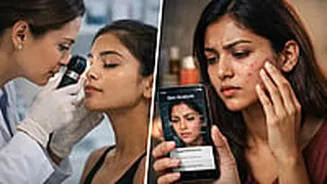
From the clinical side, Anindita Sarkar, Chief Medical Officer at Clinikally, adds, “Skin concerns such as acne, pigmentation, sensitivity, or premature ageing are influenced far more by genetics, lifestyle, environment, and hormonal balance than by gender.”
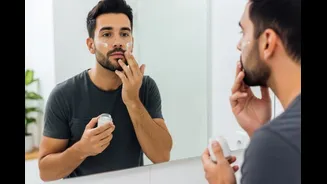
And on the business front, Malini Adapureddy, Founder and CEO of Deconstruct, notes a behavioural shift: “Indian men are moving beyond basic grooming toward problem-solving skincare: SPF, serums, acne care, once they understand what works for their skin, their behaviour is highly consistent and repeat-led.”
Together, their insights point to the same conclusion: skin biology doesn’t follow gender rules, and neither should products.
Science First, Packaging Later
Historically, beauty marketing leaned heavily on aesthetics – florals versus rugged tones, fragrance versus ‘strong’ formulas. But as consumers grow more ingredient-literate, that strategy is losing ground.
“Gender-neutral skincare prioritises efficacy, ingredient transparency, and dermatological relevance,” Sarkar explains, emphasising actives that strengthen the barrier, hydrate deeply and repair damage. Think niacinamide for oil control, ceramides for barrier repair, SPF for everyone – solutions based on function, not labels.
This science-first approach also simplifies routines. Instead of separating his-and-hers regimens, the focus is on what works universally.
The New Consumer Mindset
Younger shoppers, particularly Gen Z and millennials, are driving the change. They value clarity over clutter and reject outdated stereotypes. Sinha calls it freedom and simplicity, where skincare becomes an act of self-care rather than identity signalling. The result? Shelves that look cleaner, messaging that’s more direct, and routines that are easier to maintain. For brands, inclusivity is no longer optional. It’s strategic.
What This Means For The Future Of Beauty
The rise of gender-neutral skincare isn’t just aesthetic, it’s philosophical. It suggests a broader cultural move toward personalisation, evidence and accessibility. When products are built around real concerns instead of marketing categories, everyone benefits because healthy skin has never belonged to one gender; it belongs to anyone who has it.