


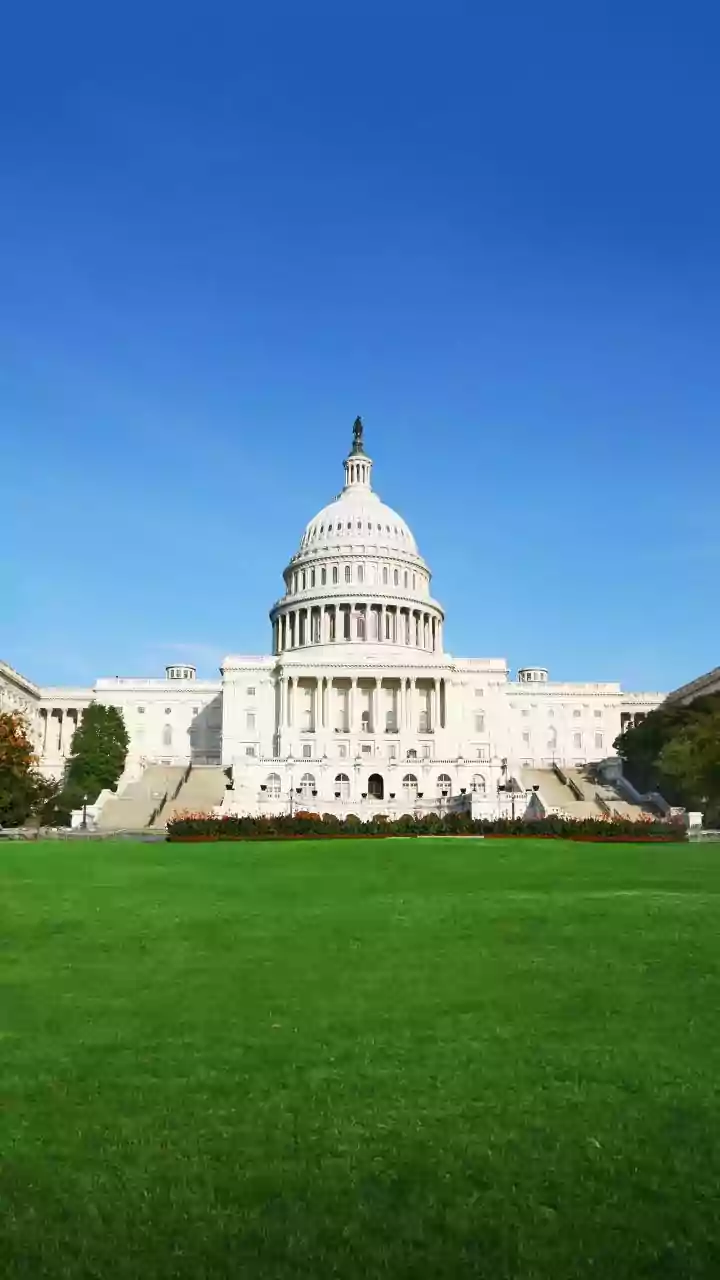





The US House of Representatives has rejected a Democratic-led resolution seeking to curb President Donald Trump’s authority to conduct military operations against Iran, as concerns mount in Congress over
the cost and scope of the ongoing conflict.
The vote, pushed to the floor by Democrats, reflected rising unease on Capitol Hill over the six-week war, with lawmakers questioning its financial burden, unclear objectives and the risk of a wider regional escalation.
What the resolution sought
The measure would have required Trump to end US military action against Tehran unless explicitly authorised by Congress, invoking the War Powers Resolution, which limits a president’s ability to engage in prolonged hostilities without legislative approval.
Democrats argue that the administration entered the conflict alongside Israel on February 28 without constitutionally mandated authorisation from Congress, which holds the sole power to declare war.
Vote largely along party lines
The resolution failed largely along party lines, though there were minor crossovers. One Republican backed the measure, another abstained, and one Democrat voted against it.
Despite narrowing the margin compared to a similar failed vote in March, Democrats were unable to secure enough Republican support to pass the measure.
Rising concerns over cost and strategy
The vote comes amid growing frustration among lawmakers over the administration’s reluctance to disclose the financial and military costs of the war.
At recent congressional hearings, White House budget director Russ Vought declined to provide a cost estimate and did not confirm a figure of around $50 billion cited by Senator Jeff Merkley.
Democratic leaders have also warned about the daily financial burden, with estimates suggesting the war could be costing up to $2 billion per day.
Democrats warn of escalation
Ahead of the vote, senior Democrat Gregory Meeks cautioned that the US risked sliding into a prolonged conflict without a clear exit strategy.
“We are standing at the edge of a cliff… every day we delay, we inch closer to a conflict with no exit ramp,” he said.
Democratic Whip Katherine Clark echoed those concerns, saying Americans were being asked to bear both the human and financial costs of a war that had not been fully explained.
Issue likely to return
The House vote came a day after the Senate also rejected a similar war powers measure. However, Democratic leaders in both chambers have indicated they will continue to push for votes to force lawmakers on record over the conflict.
While Trump retains broad support within his party, the repeated attempts signal growing bipartisan discomfort over the trajectory of the Iran war — even if it has not yet translated into legislative action.