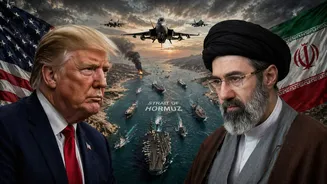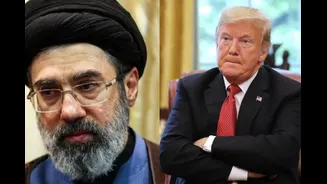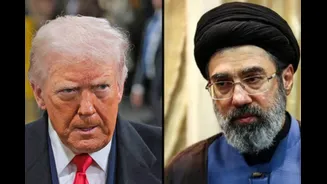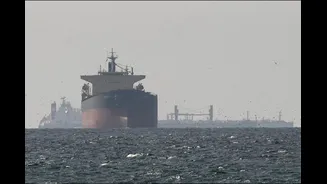



Iran has strongly warned US President Donald Trump that Strait of Hormuz will be shut again if US naval blockade in the water body continues.
Mohammad Bagher Ghalibaf, Iran’s parliament speaker, said, “With
the continuation of the blockade, the Strait of Hormuz will not remain open. Passage through the Strait of Hormuz will be conducted based on the “designated route” and with “Iranian authorization.””
He further said Trump made “seven claims in one hour, all of which were false,” in a social media post.
۱- رئیس جمهور آمریکا در یک ساعت هفت ادعا مطرح کرد که هر هفت ادعا کذب است.
۲- با این دروغگوییها در جنگ پیروز نشدند و حتما در مذاکره هم راه به جایی نخواهند برد.
۳- با ادامهٔ محاصره، تنگهٔ هرمز باز نخواهد ماند.— محمدباقر قالیباف | MB Ghalibaf (@mb_ghalibaf) April 17, 2026
Sharp rejection of US narrative
Ghalibaf said Iran would not accept what he described as misinformation in ongoing diplomatic efforts.
“They did not win the war with these lies, and they will certainly not get anywhere in negotiations either,” he said, in a direct rebuttal to Trump’s recent statements on the conflict and a potential deal.
Warning on Hormuz access
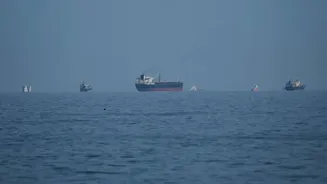
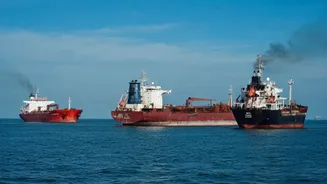
He also issued a warning over the future of the Strait of Hormuz, a critical global shipping route.
“With the continuation of the blockade, the Strait of Hormuz will not remain open,” he said, linking the waterway’s status to ongoing military and political tensions.
Rising rhetoric amid fragile ceasefire
The remarks come amid conflicting signals over the situation in the strait. Iran’s government has said Hormuz is open to commercial shipping during a ceasefire, while also imposing conditions on transit.
At the same time, the US has maintained a naval blockade targeting Iran, despite welcoming the reopening.
Negotiations under strain
The exchange highlights growing friction between Washington and Tehran even as both sides signal that a potential agreement could be close.
Trump has expressed optimism about a deal, while Iranian officials have taken a more cautious tone, rejecting key US claims and emphasising their own conditions.
With the Strait of Hormuz handling a significant share of global oil flows, any escalation or disruption could have major global economic consequences.