






After years of construction, delays and complex engineering work, the long-awaited ‘Missing Link’ on the Mumbai-Pune Expressway is set to open on May 1, with Maharashtra Chief Minister Devendra Fadnavis
scheduled to inaugurate the project on Maharashtra Day.
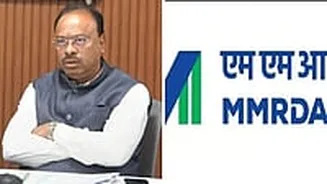
Ahead of the launch, Maharashtra Deputy Chief Minister Eknath Shinde inspected the project and said nearly 99% of the work has been completed, with only minor finishing touches left.
Eknath Shinde said the project will make the Mumbai-Pune Expressway fully access-controlled, ease congestion through the ghat section and significantly improve safety and travel efficiency. He said he had personally assessed the quality of the construction and found the work up to standard, adding that the remaining minor finishing works would be completed within the next few days.
What Is The ‘Missing Link’ Project?
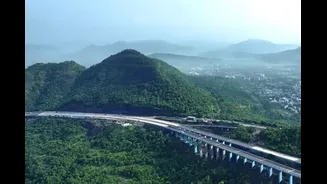
The 13.3-km Missing Link is a newly constructed section connecting Khopoli on the Mumbai side to Kusgaon near Lonavala, designed to bypass the old Bhor Ghat and Khandala stretches, sections known for sharp curves, steep gradients, bottlenecks and accident risks.
The project aims to divert traffic away from the winding ghat route, long considered one of the most difficult segments on the corridor.
Once operational, the new alignment will shorten the route by around 6 km and reduce travel time between Mumbai and Pune by 20 to 30 minutes, with potentially greater time savings during peak traffic and holiday rush.
A Rs 6,700-Crore Engineering Feat
Developed by the Maharashtra State Road Development Corporation (MSRDC) at a cost of around Rs 6,700 crore (officially around Rs 6,695 crore), the project has been under development since 2019.
Construction gained momentum after the Covid slowdown but also faced repeated delays due to harsh terrain, heavy monsoon conditions, strong winds in the Sahyadri ranges and global supply chain disruptions.
Eknath Shinde described the project as both a technological and engineering milestone. He said the project would save time and fuel, reduce pollution, improve road safety and provide a boost to the state economy.
📍 खालापूर |
मुंबई-पुणे द्रुतगती मार्गाला पूर्णतः ‘ऍक्सेस कंट्रोल’ बनवणाऱ्या महत्त्वाकांक्षी प्रकल्प असलेल्या मिसिंग लिंक या प्रकल्पाची आज पाहणी केली. येत्या १ मे रोजी मुख्यमंत्री देवेंद्र फडणवीस यांच्याहस्ते या प्रकल्पाचे उद्घाटन होणार आहे.
मुंबई-पुणे ‘मिसिंग लिंक’ प्रकल्पाचे… pic.twitter.com/tdmDTG4tcf
— Eknath Shinde – एकनाथ शिंदे (@mieknathshinde) April 26, 2026
Record-Breaking Tunnels Among Global Widest
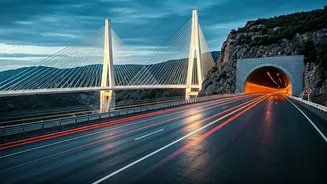
According to a report in The Times Of India, one of the project’s standout features is its twin eight-lane tunnels:
- 8.92-km tunnel, among the longest road tunnels in Asia
- 1.75-km tunnel (often cited around 1.9 km)
- Width of around 23.5 to 23.75 metres, making them among the widest road tunnels in the world
Officials have even indicated the tunnel could be considered for inclusion in the Guinness World Records.
The route passes beneath the Lonavala lake area, adding to the complexity of construction in difficult geological conditions.
Tiger Valley Cable-Stayed Bridge A Landmark Feature
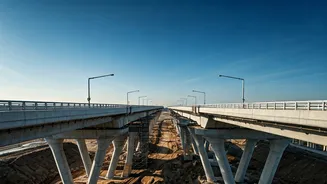
Another centrepiece of the Missing Link is the 650-metre cable-stayed bridge over Tiger Valley, part of a project that also includes an 850-metre viaduct. Its pylons rise to 182 metres, making it among India’s tallest road bridges.
Officials said the bridge was built using advanced techniques, including jump formwork, under extremely challenging conditions.
According to a report in CNBC TV18, Krishnamurthy Subramanian of Afcons International said engineers had to contend with narrow ridges, strong winds and dense fog in the Sahyadri terrain. He said that despite the challenging conditions, the team was proud to have delivered what he described as an engineering marvel.
Expected To Cut Congestion By Up To 70%
Authorities believe the project could ease congestion on the existing Khandala ghat stretch by as much as 70%, helping improve traffic flow on one of India’s busiest inter-city routes.
The Mumbai-Pune Expressway, stretching about 95 km, is India’s first access-controlled highway and carries massive daily traffic volumes. With the Missing Link in place, officials expect journeys to become quicker, smoother and more predictable.
No Extra Toll For Commuters
Despite the scale of the project, commuters will not have to pay additional toll for using the new section.
Shinde said no increase in toll has been proposed, including at the Khalapur toll plaza, ensuring commuters benefit from shorter travel times without any additional financial burden.
The existing toll structure at Talegaon and Khalapur will remain unchanged.
Phased Opening: Cars And Buses First
Authorities have decided that, in the initial phase, only light motor vehicles and buses will be allowed to use the Missing Link.
Heavy goods vehicles and vehicles carrying hazardous materials will continue using the older ghat section for now.
Officials said this phased rollout, expected for the first six months, is intended to study traffic behaviour and ensure operational safety before expanding access.
Boost For Tourism And Regional Connectivity
Beyond easing traffic, the project is expected to improve access to major tourist destinations in the region, including:
- Lohagad Fort
- Visapur Fort
- Karla Caves
Improved connectivity could provide a tourism boost while strengthening movement between Mumbai, Pune and surrounding regions.
Inspection And Final Preparations Underway
During the inspection, Eknath Shinde was accompanied by MP Shrirang Barne, former corporator Abasaheb Bagul, MSRDC Managing Director Anilkumar Gaikwad, and engineers from executing agencies.
With inauguration now scheduled for May 1, authorities are preparing for the final launch while monitoring readiness for phased traffic operations.
What Lies Ahead
Once opened, the Missing Link is expected to transform travel on the Mumbai-Pune corridor, improving speed, safety and reliability while showcasing one of India’s most ambitious highway engineering projects.
With record-scale tunnels, a landmark bridge and major reductions in travel time and congestion, the project is being seen not just as infrastructure expansion, but as a defining upgrade for a crucial national transport corridor.