




A senior Russian official has warned that Europe and the United Kingdom could soon face a severe energy crisis and would beg to seek renewed oil and gas supplies from Russia.
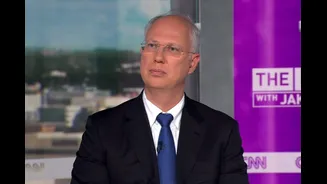
Speaking on the sidelines of
an industry event, Kirill Dmitriev, Presidential special representative for investment and economic cooperation with foreign countries and CEO of the Russian Direct Investment Fund, said that rising fuel prices and supply constraints could push Western nations into a difficult position.
He cautioned that oil prices could rise as high as $150–$200 per barrel, describing the situation as a potential “most powerful energy crisis” that Europe is not prepared to handle. Dmitriev also argued that the West had “shot itself in the foot” by reducing reliance on Russian energy following sanctions linked to the Ukraine conflict.
“Russia will certainly receive many requests from Europe and Britain to receive Russian energy resources and will decide whether to give or not. But our prediction is very clear that Europe and Britain will beg for Russian energy resources and Russia will make the appropriate decision or not,” RIA Novosti quoted him as saying.
Dmitriev said the current situation strengthens Russia’s position as a major supplier of oil, gas and fertilisers, particularly as it expands trade with countries in the BRICS grouping.
“Without a doubt, what is happening is generally positive for Russia, because our oil and gas reserves and our diversified supplies worldwide, including with a focus on BRICS countries, undoubtedly strengthen Russia’s position on global markets,” Dmitriev added.
Russian President Vladimir Putin also addressed economic developments at the event, urging businesses to act cautiously with increased revenues from higher oil prices and avoid excessive spending.
Meanwhile, Deputy Prime Minister Alexander Novak said Russian oil continued to see strong global demand, though transportation costs have risen due to disruptions in the Middle East, including congestion affecting tanker movements.
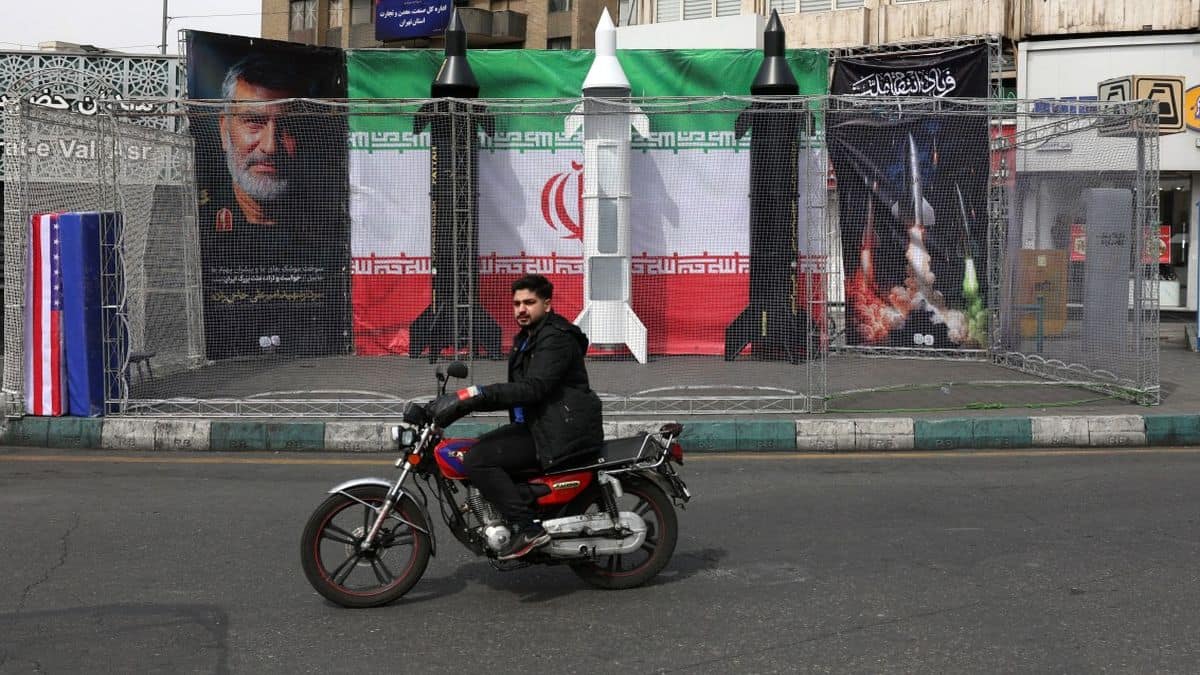
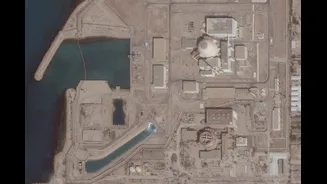
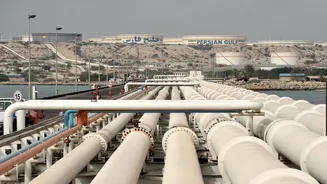
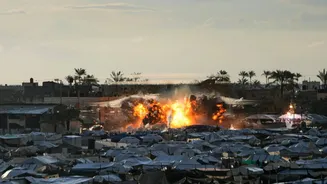
Sharply rising energy prices amid the ongoing military tensions in the Middle East, deepened by joint US and Israeli attacks on Iran and Tehran’s subsequent retaliations and the closure of the Strait of Hormuz, brought a serious economic crisis to Europe.
With shipments at a standstill and disruptions in global energy flows, European countries are scrambling to implement comprehensive measures to subsidize energy costs and shield economic stability.
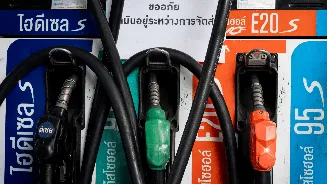
Contracting energy supply pushed up fuel prices over the €2 ($2.32) threshold in some European countries, fueling cost pressures across all sectors.
Particularly in Germany and some other European nations, gas prices exceeding $2.32 per liter have fueled social unrest, while energy-intensive sectors are struggling to operate under the pressure.