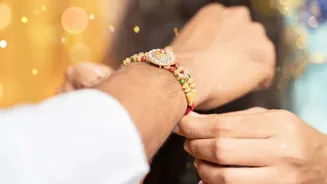






Raksha Bandhan 2026: Raksha Bandhan is one of the most cherished festivals celebrating the bond between brothers and sisters. On this day, sisters traditionally tie a Rakhi around their brothers’ wrists
and pray for their well-being, happiness and prosperity. Brothers, in return, offer gifts and promise to stand by their sisters.
In 2026, Raksha Bandhan will be celebrated on Friday, August 28. Apart from choosing a beautiful Rakhi and preparing sweets, families can follow the traditional ceremony with a properly arranged puja thali and customary rituals.
Read More: Happy Raksha Bandhan 2026: Best Rakhi Wishes, Quotes, Messages And Images To Share With Brother And Sister
Here’s a simple guide to the essential Raksha Bandhan puja thali items, the ceremony steps and the traditions associated with the festival.
Raksha Bandhan 2026: What To Keep In The Puja Thali
A Raksha Bandhan puja thali generally contains items used for the tilak, prayer and Rakhi-tying ceremony. While the exact arrangement can vary between families and regions, the following are commonly included:
- Rakhi: The most important item, the Rakhi symbolises the bond of affection and protection between siblings.
- Kumkum or roli: Used to apply the traditional tilak on the brother’s forehead.
- Akshat: Unbroken rice grains are commonly placed after the tilak as part of the ritual.
- Diya: A lit oil or ghee lamp is used during the puja and represents light, positivity and auspiciousness.
- Chawal: Rice is traditionally included in the puja thali and used during the tilak ritual.
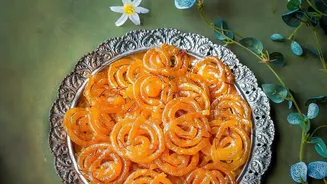
- Sweets: Offering sweets and sharing them after the Rakhi ceremony is an important part of the celebration.
- Flowers: Fresh flowers can be placed in the thali or offered during the puja.
- Kalash or water: Some families include water as part of their traditional puja arrangements.
- Aarti plate or lamp: The sister may perform an aarti for her brother after applying the tilak.
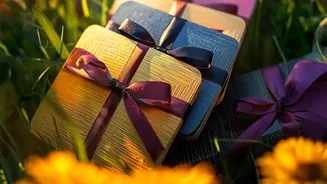
- Gifts: Though not strictly a puja item, a gift for the sister is an important part of the modern Raksha Bandhan celebration.
How To Perform The Rakhi Ceremony
The Rakhi ceremony is simple and can be performed at home with family members present.
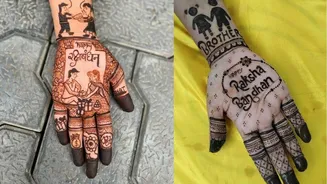
Read More: Raksha Bandhan 2026: Latest Rakhi Designs, Trends And Ideas For Brothers And Sisters
Step 1: Prepare the puja thali
Arrange the Rakhi, kumkum or roli, akshat, diya, flowers and sweets neatly on a decorated thali. The Rakhi should be kept ready before the ceremony begins.
Step 2: Apply the tilak
The sister applies kumkum or roli to her brother’s forehead. Akshat may then be placed over the tilak as part of the traditional ritual.
Step 3: Perform the aarti
The sister performs an aarti for her brother using a lit diya. This is traditionally associated with prayers for his well-being and prosperity.
Step 4: Tie the Rakhi
The sister ties the Rakhi around her brother’s wrist while offering prayers for his happiness, health and success.
Read More: Raksha Bandhan Gift Ideas 2026: 10 Gifts Your Sister May Actually Love
Step 5: Offer sweets
The brother and sister exchange sweets after the Rakhi is tied. The brother may then present a gift to his sister.
Step 6: Seek blessings
In many families, younger siblings seek blessings from elders after the ceremony. Families may also pray together and share a festive meal.
What Do The Raksha Bandhan Rituals Signify?
Each part of the ceremony carries traditional significance. The Rakhi represents the emotional bond between siblings, while the tilak is associated with auspiciousness and blessings.
The diya represents light and positivity, while akshat, or unbroken rice, is traditionally associated with completeness and prosperity. Sweets add an element of joy to the celebration and are shared to mark the happiness of the occasion.
Beyond the rituals, Raksha Bandhan is ultimately a celebration of family, affection and the promise of standing by one another through life’s different phases.
Raksha Bandhan Traditions Across India
Raksha Bandhan is celebrated in different ways across India. While tying the Rakhi remains the central ritual, regional customs can vary.
In many households, sisters prepare a decorated thali and perform an aarti before tying the Rakhi. Families may organise a special meal, exchange gifts and spend time together.
The festival is also associated with traditions beyond the immediate brother-sister relationship. In some communities and regions, Rakhis have historically been tied to people representing friendship, protection and social bonds.
Today, Raksha Bandhan celebrations have evolved to include sisters and brothers living in different cities or countries. Rakhis are often sent by post, while families use video calls to participate in the ceremony when they cannot be together in person.
Raksha Bandhan 2026: Rakhi-Tying Muhurat
According to Drik Panchang, the Rakhi-tying muhurat is from 5:57 AM to 9:48 AM on August 28.
A Simple Way To Celebrate Raksha Bandhan
You do not need an elaborate arrangement to celebrate Raksha Bandhan traditionally. A clean puja thali, Rakhi, kumkum, rice, diya and sweets are enough for a simple ceremony at home.
What matters most is the sentiment behind the ritual, the celebration of the sibling bond, family togetherness and the wishes exchanged on this special occasion.