







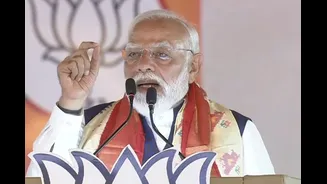
Will India see a “work from home” directive soon as the US-Iran war continues and oil markets and global economies remain strained? Prime Minister Narendra Modi on Sunday made an appeal to Indians to use
fuel judiciously and think of measures like work from home where possible, carpooling, using public transport as part of a larger fuel conservation drive.
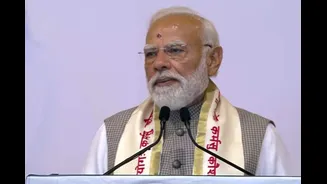
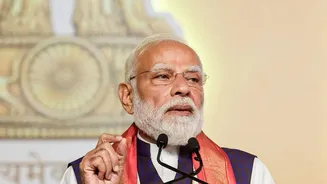
Speaking in Hyderabad amid rising concerns over oil prices and supply disruptions linked to the West Asia conflict, PM Modi urged Indians to cut unnecessary fuel use and return to habits developed during the pandemic. “We developed work from home, virtual meetings and video conferencing during corona. We got habituated to it. The need of the hour is to resume those methods,” PM Modi said while asking citizens to prioritise national interest during the global crisis.
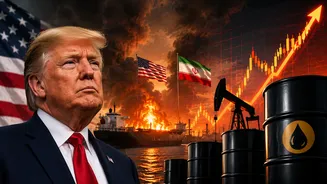
The Prime Minister’s remarks came as crude oil prices remained volatile amid the conflict involving Iran, Israel and the US, and continued disruption in the Strait of Hormuz — a route through which nearly a fifth of the world’s oil passes. India, which imports a major share of its crude from the Middle East, faces the risk of higher fuel bills, inflationary pressure and supply disruptions if the crisis deepens.
Read More: Work From Home, Vocal For Local & More: Covid-Era Lessons India Is Revisiting Amid The US-Iran War
What makes Modi’s appeal significant is that India is far from alone. Across Asia and parts of the world, governments facing fuel shortages, soaring energy costs and pressure on foreign exchange reserves have started reviving Covid-style remote work systems to reduce commuting and conserve fuel.
IEA Had Issued A Similar Advisory
Weeks before PM Modi’s Hyderabad speech, the International Energy Agency had warned that the Iran conflict could trigger the “largest supply disruption in the history of the global oil market”.
The agency issued a detailed demand-reduction advisory urging countries to immediately adopt measures such as telecommuting, virtual meetings, reduced highway speeds and greater public transport usage. Working from home was listed among the top recommendations to cut oil demand from daily commuting.
IEA chief Fatih Birol reportedly warned that governments were underestimating the scale of the crisis and that behavioural changes would become necessary if disruptions continued.
Many countries appear to have acted on that advice.
Countries That Have Turned To Work From Home
Sri Lanka
Among India’s neighbours, Sri Lanka has introduced a four-day work week in parts of the public sector to cut fuel usage and commuting pressure. The country has also seen long queues outside petrol stations as supply concerns intensified.
Sri Lanka’s move mirrors some of the emergency work arrangements introduced during the Covid pandemic when governments tried to reduce both travel and operational costs.
Philippines
The Philippines declared an energy emergency in March and shifted government offices to a four-day work week amid fuel supply concerns and transport disruptions.
The reduced office schedule was aimed at lowering electricity and fuel consumption at a time when global oil prices surged after disruptions in the Gulf region.
Pakistan
In Pakistan, fuel shortages and rising import bills pushed authorities to experiment with reduced office attendance and partial remote work in sections of the public sector, according to international energy trackers monitoring the crisis response.
Pakistan has been among the countries most vulnerable to the fuel shock because of its economic fragility and dependence on imported energy.
Vietnam
Vietnam has encouraged businesses to adopt remote work and online meetings as fuel prices hit gig workers, transport businesses and small industries particularly hard.
The country, which relies heavily on imported petroleum supplies, has also reduced some fuel levies to cushion the impact of rising costs.
Indonesia
In Indonesia, parts of the public sector shifted to remote work arrangements and reduced office days as the government attempted to manage fuel reserves and contain demand.
Indonesia imports nearly a third of its fuel requirements despite being an oil-producing country.
Myanmar
Myanmar has reportedly restricted private vehicle usage on alternate days and introduced remote work measures in sections of administration amid fuel shortages and long queues at petrol stations.
Additional countries such as Thailand, Singapore and Bangladesh have not fully mandated WFH but have introduced energy-saving measures including reduced travel, limits on office cooling and staggered work arrangements.
Covid-Era Thinking Returns
The widespread return of work from home highlights how governments are increasingly treating the Iran conflict as not just a geopolitical crisis, but also an economic and behavioural challenge.
During Covid-19, countries discovered that large parts of the economy could function remotely. Offices adapted to video conferencing, online collaboration and hybrid schedules. What began as a public health necessity eventually evolved into a tested crisis-management model. Now, with fuel becoming a strategic concern, those same systems are being revisited.
In India, PM Modi’s remarks also carried a broader message around economic discipline. Alongside remote work, he urged citizens to postpone gold purchases, reduce foreign travel and support domestic products to conserve foreign exchange.
The larger concern for governments is that prolonged disruption in the Strait of Hormuz could affect not just fuel prices, but transport costs, airline operations, cooking gas availability and inflation across sectors.
The crisis today is very different from the pandemic. But from New Delhi to Manila, governments appear to be drawing lessons from the same playbook once again.