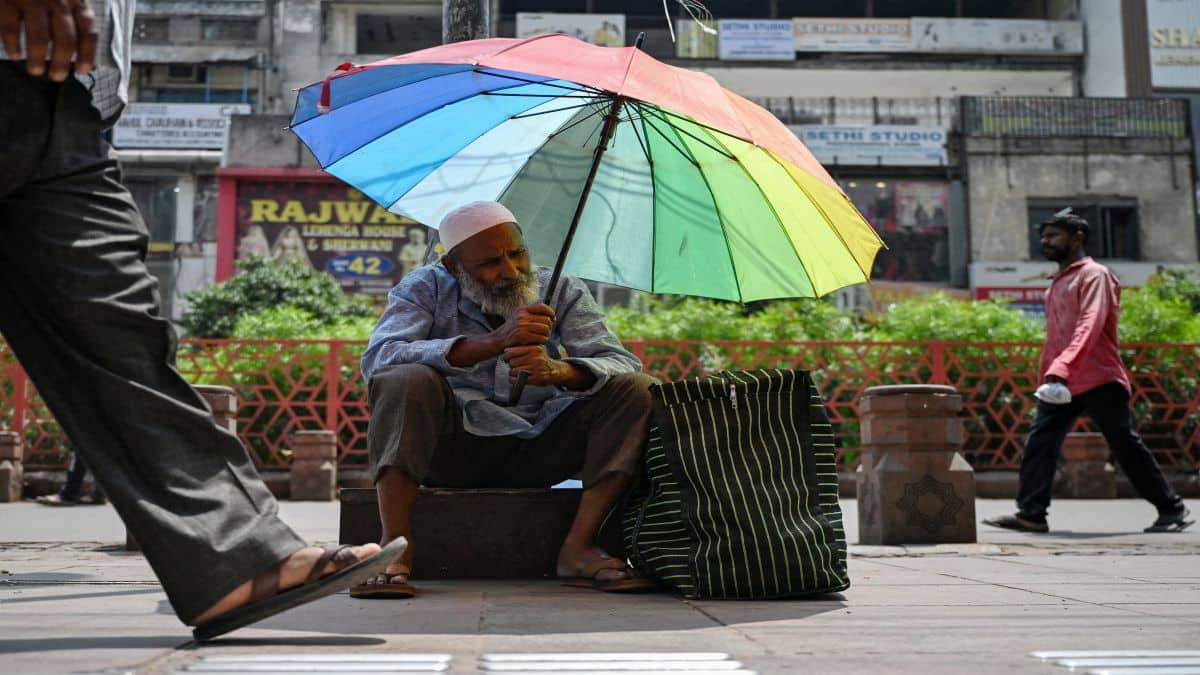








When people think of dangerous summer heat, they usually imagine scorching afternoons, blazing sunlight, and soaring daytime temperatures. But experts now warn that the real health threat may begin after sunset.
Across India, nights are getting hotter and unlike daytime heat, the body often gets no chance to recover. Doctors and climate researchers say rising night-time temperatures, combined with humidity and dense urban construction, are quietly increasing the risk of heat stress, heart complications, dehydration, poor sleep, and even death.
Traditionally, cooler nights allowed the human body to regulate its temperature after long hours of heat exposure. But during modern heatwaves, especially in Indian cities, temperatures often remain dangerously high even after midnight. This continuous exposure places cumulative stress on the body.
The World Health Organization has warned that prolonged periods of high daytime and night-time temperatures can worsen cardiovascular, respiratory, renal, and metabolic diseases.
What makes warm nights particularly dangerous is that they interfere with the body’s natural cooling system. Normally, body temperature drops during sleep, allowing vital organs to recover. But when nights remain hot and humid, sweating becomes less effective, sleep quality deteriorates, and internal heat stress continues uninterrupted.
Several recent studies show that night-time heat may independently increase mortality risk, particularly from strokes and heart-related conditions. Research analysing hot nights across Asian cities found mortality risks significantly higher when high daytime temperatures were followed by unusually warm nights.
Indian cities are especially vulnerable because of the “urban heat island” effect. Concrete-heavy infrastructure, limited green cover, overcrowding, and poor ventilation trap heat long after sunset. A recent Climate Trends study in Chennai found indoor temperatures in many homes remained above 31°C through the night, with humidity levels exceeding 75%. In some cases, indoor heat peaked during late evening hours rather than daytime.
Health experts say vulnerable groups face the highest risks. Elderly people, children, pregnant women, outdoor workers, and individuals with diabetes, heart disease, or respiratory illnesses are less able to tolerate prolonged heat exposure.
The impact is not limited to physical health alone. Poor sleep caused by hot nights can weaken immunity, impair concentration, increase fatigue, and worsen mental health over time.
Climate researchers also warn that humidity is making heatwaves more dangerous. Studies suggest that “oppressive heatwaves”, where high temperatures combine with high humidity are rising faster than dry heatwaves and are more strongly linked to heat-related deaths.
Despite this growing threat, most heat action plans in India still focus primarily on daytime temperatures. Experts argue that future heat preparedness strategies must also monitor night-time heat exposure, indoor temperatures, housing conditions, and humidity levels.
Simple measures can still help reduce risk. Staying hydrated through the evening, improving ventilation, using cooling fabrics, avoiding heavy meals before bedtime, and limiting exposure to outdoor heat during the day can support better overnight recovery. Doctors also advise people not to ignore symptoms like dizziness, headaches, nausea, excessive sweating, confusion, or persistent fatigue during periods of intense heat.
As climate change continues to reshape Indian summers, experts say the country’s heat crisis can no longer be measured only by how hot the afternoons become. Increasingly, it is the nights that may decide how dangerous the heat truly is.