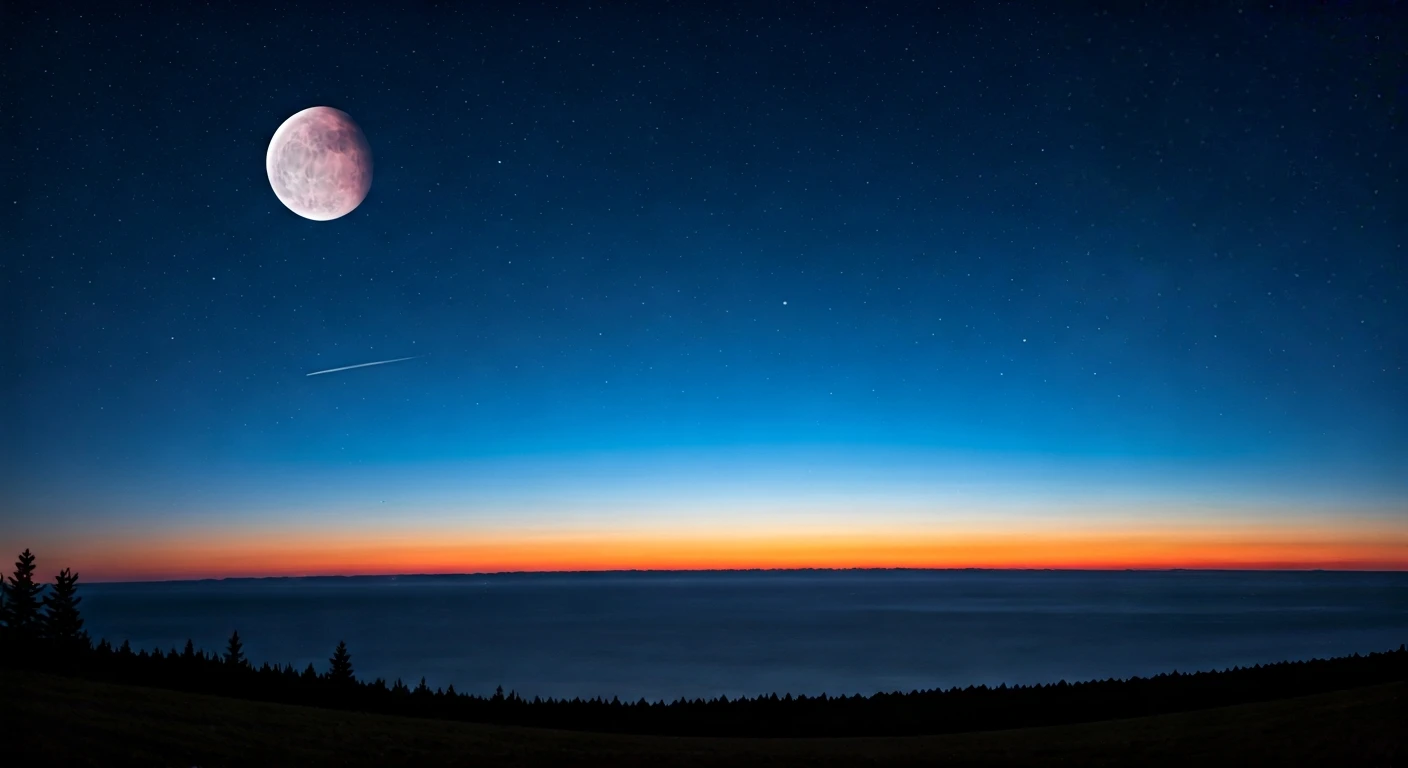





Imagine checking the clock at midnight and still seeing sunlight outside your window. Not twilight. Not a faint glow. Actual daylight.
In some of the world’s northernmost regions, summer transforms ordinary
ideas of day and night completely. For weeks, and in some places months, the sun barely sets or never disappears below the horizon at all.
The phenomenon is known as the “Midnight Sun,” and it occurs in regions located above the Arctic Circle, where Earth’s tilt causes sunlight to remain visible even during late-night hours in summer.
1. Svalbard in Norway experiences months without sunset
Svalbard is one of the most famous Midnight Sun destinations on Earth.
Located far above the Arctic Circle, Svalbard experiences continuous daylight for months during summer. In some years, the sun remains visible from roughly April until late August without a proper sunset.
At midnight, the sky can still look like late afternoon.
2. Tromsø turns into Norway’s city of endless summer light
Tromsø also experiences dramatic summer daylight conditions.
Often called the “Gateway to the Arctic,” the city becomes one of Europe’s best-known Midnight Sun tourism destinations. Visitors frequently go hiking, boating and sightseeing late at night because darkness barely arrives during peak summer weeks.
The city’s outdoor culture becomes especially active during this period.
3. Finnish Lapland barely gets dark in summer
Lapland experiences nearly nonstop daylight during the height of summer.
In northern Finland, the sun can remain visible almost around the clock for extended periods. Locals often continue outdoor activities late into the night because the bright conditions make normal evening schedules feel meaningless.
Fishing, hiking and camping become especially popular during the Midnight Sun season.
4. Icelandic summer sky is never totally dark
Although Iceland lies near the Arctic Circle, it is remarkable that Iceland has extremely long daytime during its summers.
Sunset occurs in such a way as to immediately follow sunrise, resulting in no night time but illuminated sky only. Around June, sunsets often blend directly into sunrise, creating glowing skies throughout the night without full darkness ever arriving. Many visitors describe the atmosphere as surreal because midnight can still feel like early evening.
Locals often joke that sleep schedules completely collapse during peak summer.
5. Sweden’s far north becomes a midnight adventure zone
Kiruna and other northern Swedish regions experience strong Midnight Sun conditions each year.
Tourists regularly kayak, trek and explore Arctic landscapes at midnight under bright skies. Because daylight remains strong enough for outdoor activity almost continuously, the region has built much of its summer tourism around the phenomenon.
The combination of mountains, forests and nonstop daylight creates unusually active summer nights.
6. Alaska’s northern cities can go months without sunset
Utqiaġvik, formerly known as Barrow, experiences some of the most extreme daylight cycles in North America.
During summer, the city can go more than two months without seeing the sun fully disappear below the horizon. In winter, the opposite happens, with extended periods of near-total darkness.
The extreme difference between seasons influences life in Alaska’s arctic regions greatly.
Scientifically speaking, this phenomenon works quite simply. The planet leans towards the sun at a 23.5-degree angle. In summertime in the northern hemisphere, arctic regions spend more time facing the sun, resulting in the light being present all day long above certain latitudes.
Of course, photos depicting the Midnight Sun are gorgeous. However, for many people, seeing this natural phenomenon can be psychologically challenging since the brain needs darkness to set the sleeping cycle.
To adjust to such conditions, the local population uses blackout curtains.
Still, many people living in Arctic regions describe the endless daylight as energising rather than exhausting.
For most of the world, sunset feels automatic. But in some places every summer, the sun simply refuses to leave the sky.