


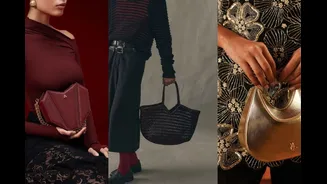

Indian winters are no longer predictable. Mornings feel crisp, afternoons turn mild, and wardrobes struggle to keep pace. In response, a new generation of designers are rethinking what winter dressing
truly means by moving away from bulky synthetics and one-season purchases toward fabrics that breathe, adapt and endure.
Across studios and ateliers, sustainability is no longer a label stitched onto a tag. It is shaping how textiles are engineered, how silhouettes are cut, and how often a garment can be worn. The result is winterwear that feels less excessive and more intelligent, with pieces that have been designed for real climates and real lives.
For Anurag Gupta, that responsibility begins at the material level. “Sustainability is not approached as a seasonal theme or a marketing exercise. It is embedded into how we design, develop, and make decisions. Our work begins with problem solving,” he says. His brand’s collaboration with IIT Delhi led to an engineered textile that fuses wool with plasma-treated denim – a chemical-free innovation aimed at solving wool’s long-standing challenges of itchiness, shrinkage and complex care. “The objective was not novelty, but a material that could realistically be adopted into winterwear suited to Indian conditions,” he adds.
Engineering Warmth, Not Excess
Gupta’s solution-focused approach tackles winterwear’s biggest flaws: over-insulation and impracticality. Plasma technology smoothens fibre roughness, improving comfort while enhancing breathability and washability. Less fabric is used through intelligent patterning, reducing waste without compromising structure.
The idea is simple but radical – warmth without weight, performance without chemicals. “Textile experimentation becomes a tool to challenge extractive fashion systems and disposable winterwear practices,” he notes.
Designing For Movement And Memory
At Yavi, sustainability manifests through craft and longevity rather than lab innovation. Founder Yadvi Agarwal sees winter dressing as emotional as much as functional. “Winter, especially in India, demands thoughtfulness. You need fabrics that adapt, breathe and layer well, rather than overpower the body,” she explains.
Her textiles – handwoven merino wool from the Himalayas, cotton-silk blends, velvets and crepes – are chosen for their memory and movement. Prints evolve over months, not weeks. Silhouettes transition across occasions. “A winter piece shouldn’t feel like it belongs to one moment only. It should move through your day, your city, your life,” Agarwal says.
The philosophy encourages garments that are reworn and restyled, which is the antithesis of trend churn.
Velvet, But Lighter
Occasionwear is undergoing a similar rethink. Charu Arora of Saisha by Charu Arora has witnessed a shift in how consumers approach festive winter dressing. Traditional velvet, once heavy and synthetic, is being replaced by breathable, cotton-backed and silk-blended constructions.
“Designing winterwear today means thinking beyond one occasion. When clothing is comfortable, adaptable, and thoughtfully made, it becomes something people return to year after year rather than replace,” she says.
Velvet suits now double as separates – jackets, kurtas and trousers styled independently – extending their lifespan while maintaining luxury appeal. Low-impact dyes and deeper tones further ensure these pieces resist trend fatigue.
A Smarter Season
Together, these approaches signal a larger evolution in Indian fashion: innovation that serves utility, craft that values time, and occasionwear designed for repeat life. Winterwear is becoming modular, breathable and consciously made – built not just to keep you warm, but to stay relevant.
The future of cold-weather style isn’t about layering more. It’s about choosing better.