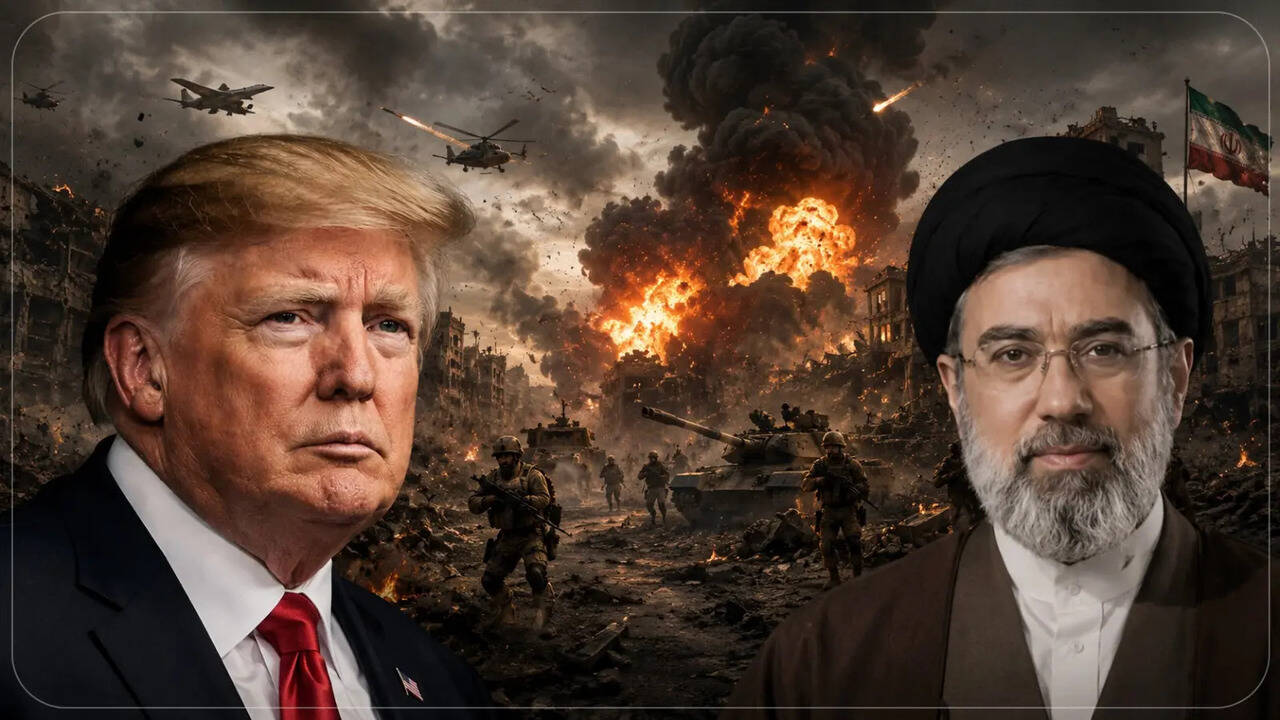






Iran has agreed that it will neither produce nor acquire nuclear weapons under a draft memorandum being negotiated with the United States, according to a senior Iranian official cited by Reuters, marking
what could be a major breakthrough in months of high-stakes diplomacy between Washington and Tehran.
The reported commitment is part of the proposed “Islamabad Memorandum”, a framework agreement aimed at ending the conflict that erupted earlier this year and laying the groundwork for a broader understanding on Iran’s nuclear programme, sanctions relief and regional security.
Also Read: ‘Araghchi, Resign’: Iran Hardliners Take To Streets, Oppose Proposed Peace Deal With US
The development comes as both sides signal that a final agreement may be close. Iranian Foreign Minister Seyed Abbas Araghchi recently said the deal has “never been closer”, while US President Donald Trump has repeatedly expressed optimism about reaching a settlement.
What Has Iran Agreed To?
According to Reuters, the draft memorandum includes a commitment from Tehran that it will neither develop nor obtain nuclear weapons.
The reported provision addresses one of Washington’s core demands and could become a key pillar of any future nuclear arrangement between the two countries.
However, Iranian officials have simultaneously maintained that the country’s right to peaceful nuclear activities, including uranium enrichment for civilian purposes, remains non-negotiable.
Key Issues Still Being Negotiated
Despite signs of progress, several issues remain unresolved.
Iran has sought sanctions relief, access to frozen financial assets and an end to restrictions affecting its oil exports. Tehran has also insisted on maintaining its sovereignty over decisions affecting the Strait of Hormuz, a vital global energy shipping route.
US officials, meanwhile, have stressed that any economic benefits would be tied to Iranian compliance with the terms of the agreement.
Vice President JD Vance recently pushed back against reports suggesting that billions of dollars would be released to Iran immediately upon signing, saying no funds would automatically flow simply because a deal had been signed.
Why The Deal Matters
A successful agreement could significantly reduce tensions in West Asia, where conflict has disrupted shipping routes and raised concerns about global energy supplies.
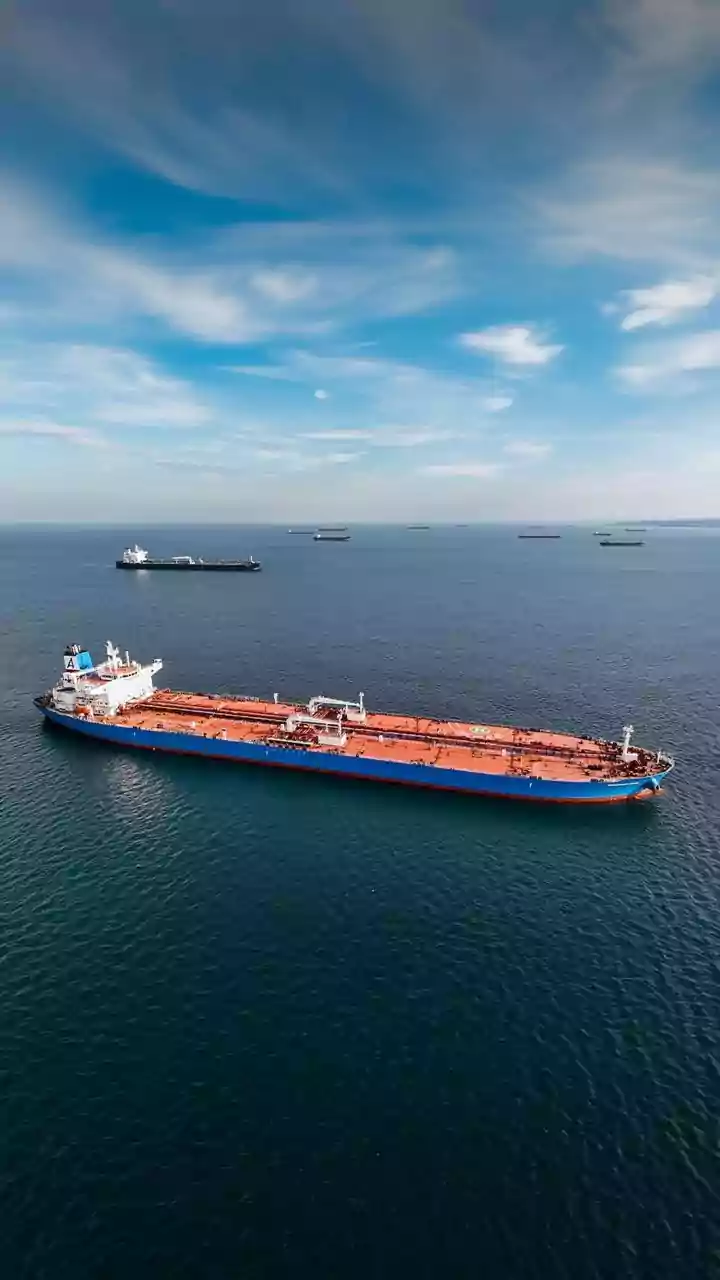
The Strait of Hormuz, through which roughly a fifth of the world’s oil trade passes, has been a focal point of tensions throughout the crisis. Reopening the waterway to normal commercial traffic is expected to be one of the central objectives of the proposed memorandum.
The negotiations have also been closely watched by global powers and regional actors, including Saudi Arabia and Pakistan, both of which have publicly welcomed signs of progress.
Deal Not Final Yet
While negotiators appear to be narrowing differences, officials on both sides have cautioned that no final agreement has been signed.
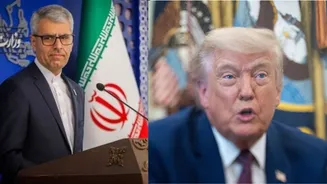
Iranian Foreign Ministry spokesperson Esmaeil Baghaei said earlier that a deal could be signed in the coming days but stressed that the exact timing remains uncertain.
For now, the reported nuclear weapons commitment represents one of the clearest indications yet that Tehran and Washington may be edging closer to a landmark agreement after months of conflict and diplomacy.