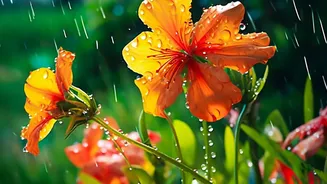







The monsoon may seem like the perfect season for gardening, with cloudy skies, cooler temperatures and plenty of rain. Yet, for many home gardeners, plants can start looking dull during the monsoon despite
all the water they receive. Heavy rainfall across several parts of India can leave soil waterlogged, roots struggling for air and some plants looking droopy, yellow or generally unhealthy.
While rainwater can be beneficial for plants, too much moisture can create a different set of challenges. Poor drainage, fungal growth, excess humidity and a lack of sunlight can all affect a monsoon garden. If your balcony garden, terrace garden or backyard plants have hit a lull this rainy season, this is a good time to give them some attention.
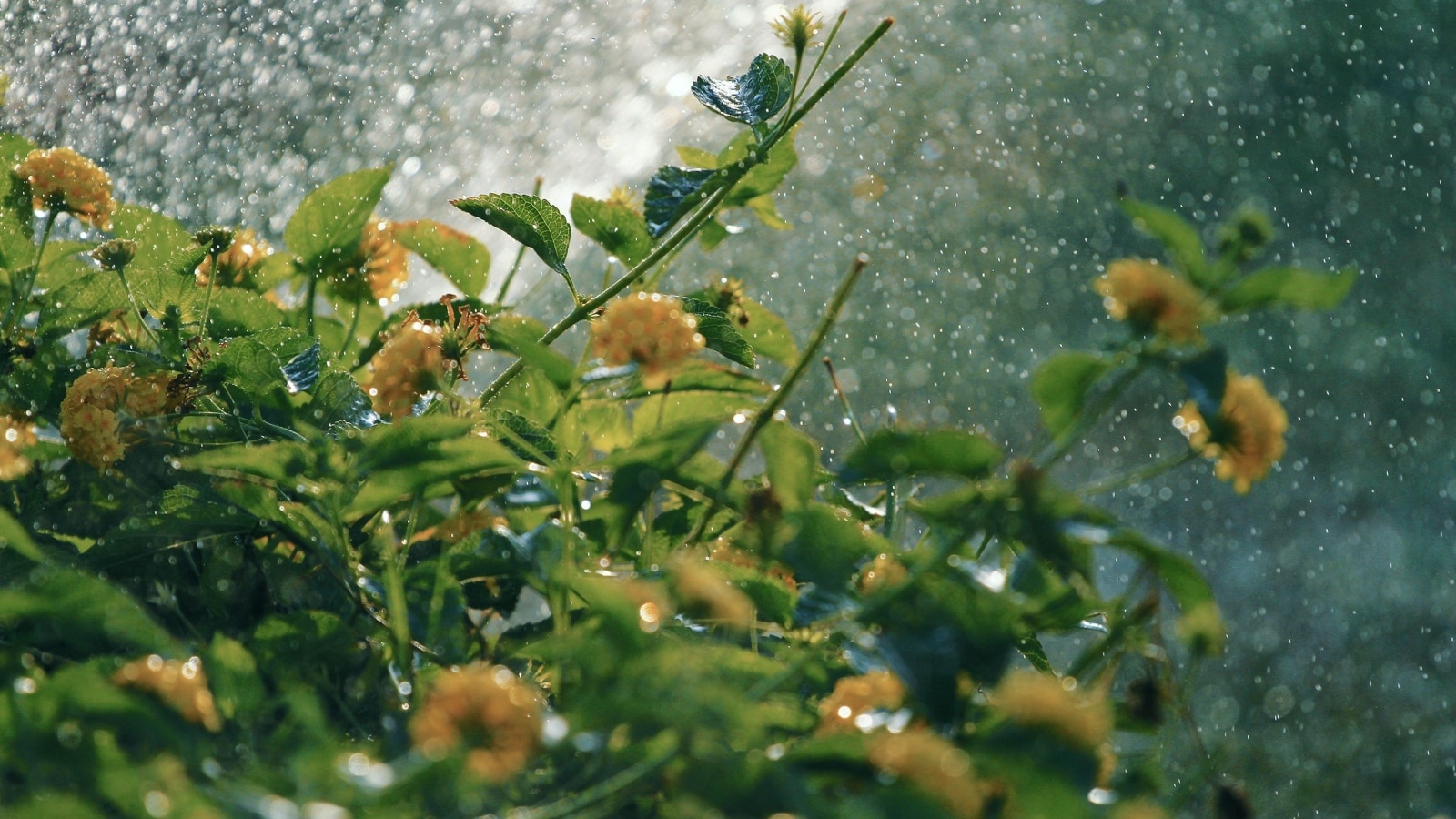
The good news is that you don’t need to completely redo your garden. A few simple changes can help improve drainage, encourage healthier growth and make your plants look fresh again. Here are three easy monsoon gardening tips to spruce up your garden when heavy rains are taking a toll.
Check Your Pots And Fix Waterlogging
One of the first things to check during the monsoon season is drainage. If water is sitting on top of the soil for hours after rainfall, your plants may be getting more moisture than they need.
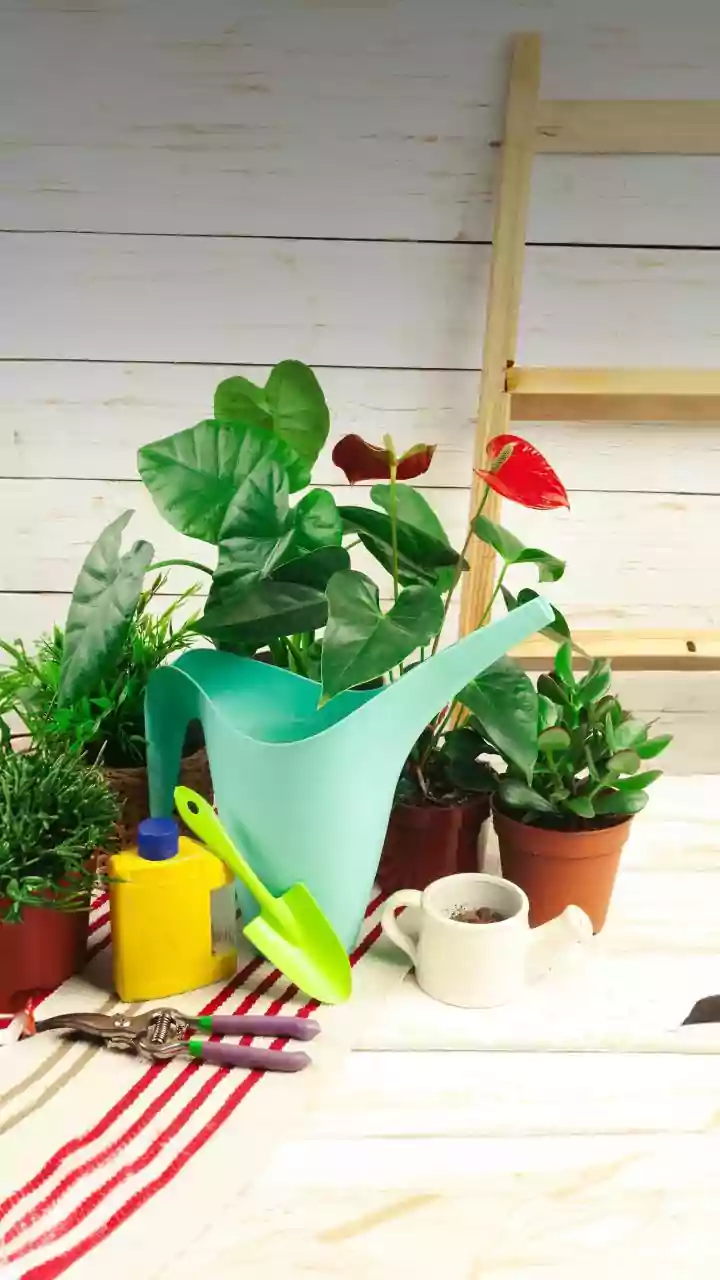
Check that every pot has functioning drainage holes and that they aren’t blocked by compacted soil. Empty water collected in trays underneath pots after heavy rain. For potted plants, gently loosen the top layer of soil if it has become hard and compacted, allowing better airflow.
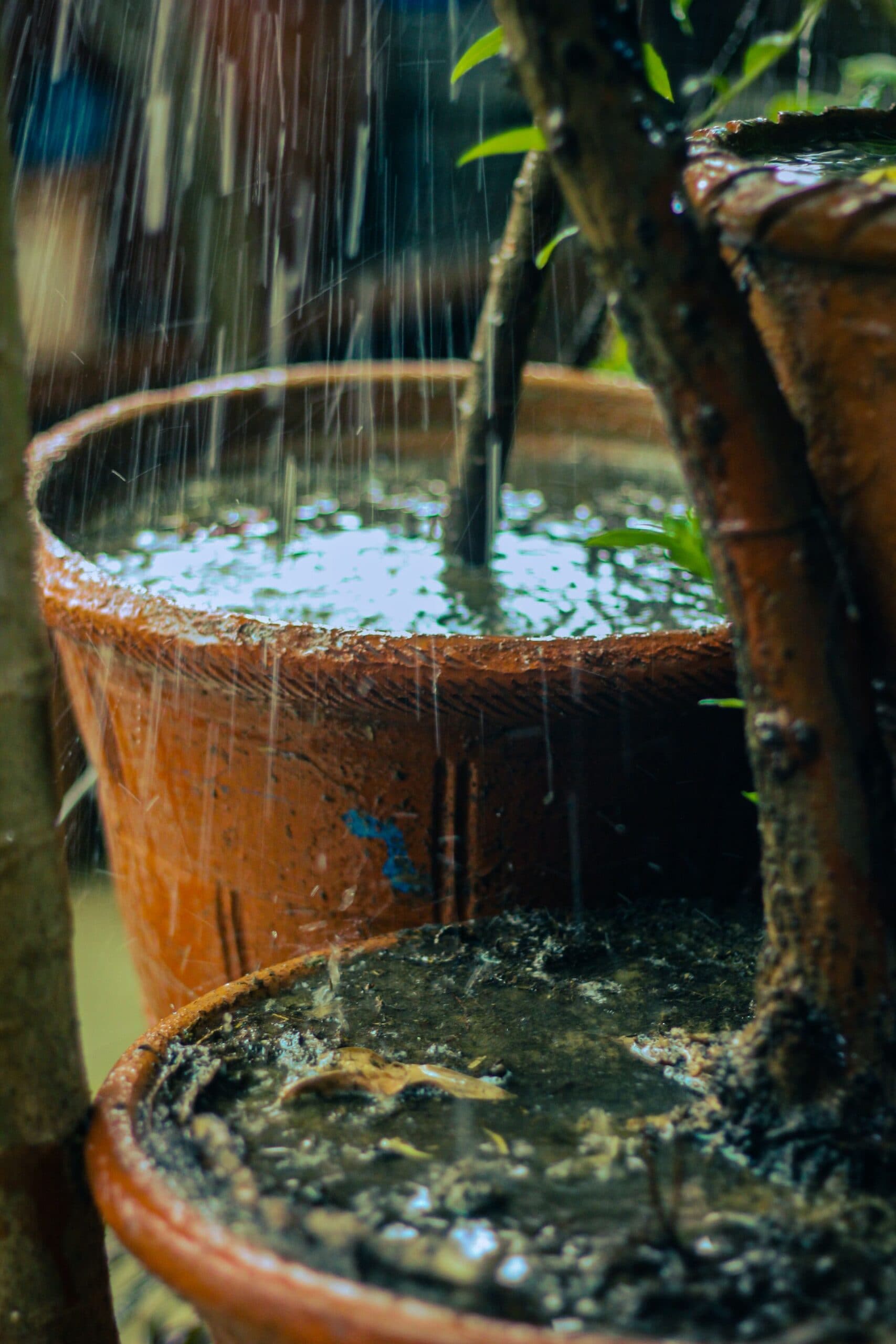
If the potting mix stays wet for long periods, consider replacing some of it with a lighter, well-draining mix when appropriate. Avoid watering plants simply because the top layer looks dry; check the soil first.
Give Your Plants A Monsoon Makeover
Heavy rain and strong winds can leave plants looking messy, with broken leaves, damaged stems and fallen flowers. Take a few minutes to inspect your garden plants during monsoon and remove damaged or completely yellowing leaves.
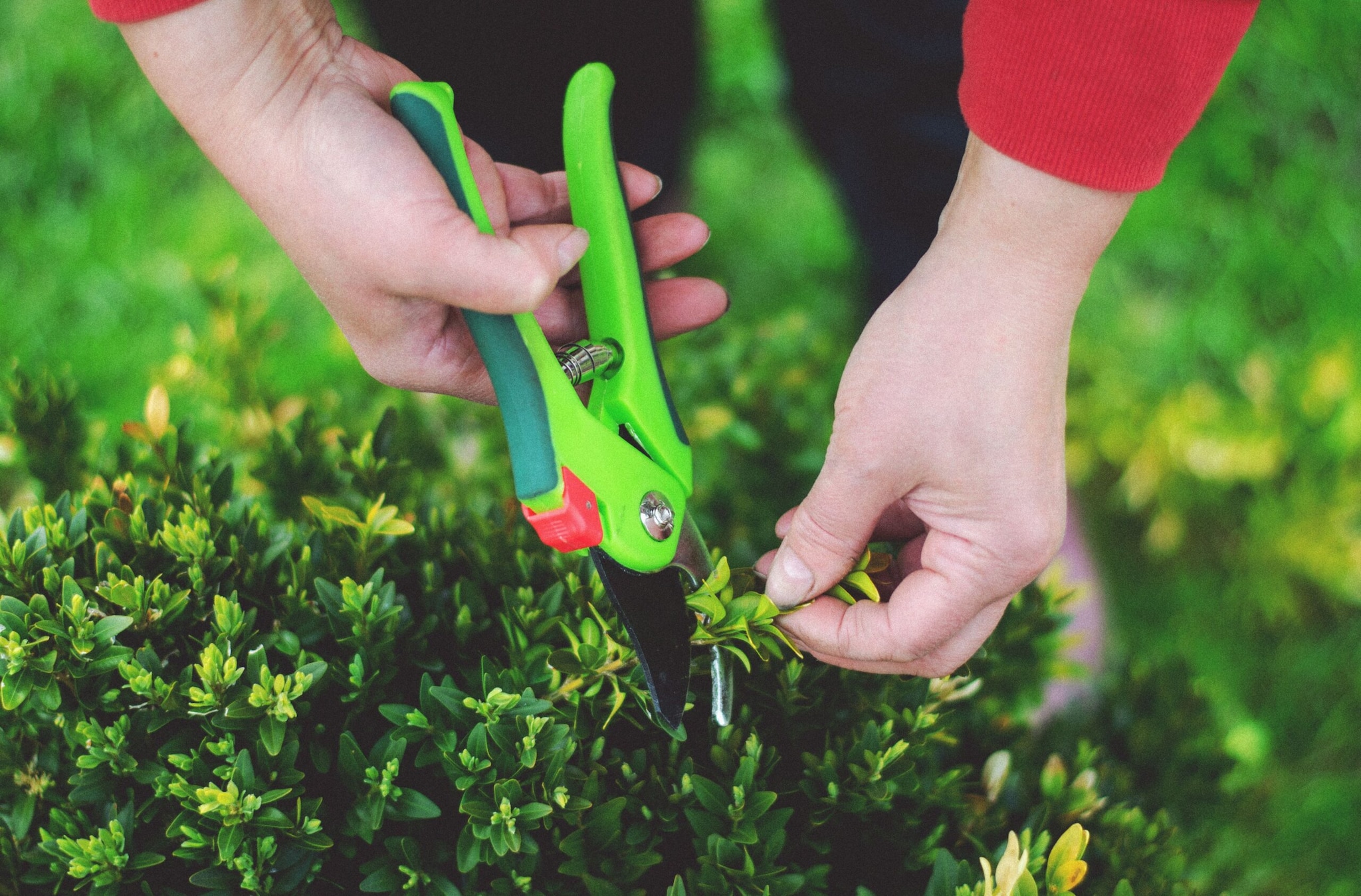
Pruning away dead or damaged growth can make plants look instantly neater while allowing them to direct energy towards healthy growth. However, avoid excessive pruning during periods of continuous rain, and use clean, sharp tools to minimise the risk of spreading plant diseases. Also check climbers and taller plants that may need support after strong winds. A simple stake or support can prevent stems from bending or breaking.
Look Out For Fungal Growth And Give Plants Some Light
High humidity and consistently wet leaves can create favourable conditions for fungal problems. Check the undersides of leaves and the base of stems for unusual spots, patches or mould-like growth. Remove visibly affected plant material and improve airflow around crowded plants.
Whenever there is a break in the rain, make the most of natural light. If your plants are in pots, move those that can tolerate it to a brighter, sheltered location. Avoid suddenly exposing shade-loving plants to harsh direct sunlight. Good spacing is equally important. Avoid keeping pots packed tightly together, as better airflow can help the foliage dry faster after rainfall.