




How powerful was the Gen-Z factor in the May 2026 Assembly elections across four states and one Union Territory results for which were announced on May 4? Experts say these voters focused heavily on employment,
education, and governance, often driving a “mandate for change”. News18 decodes the meaning and impact.
MAY 4 ELECTION RESULTS
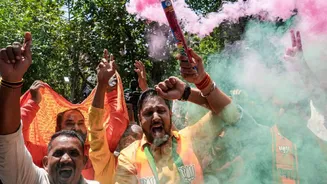
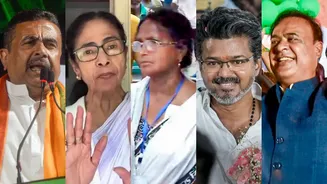
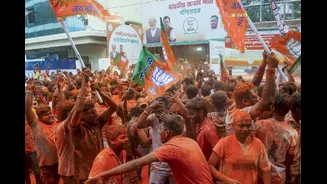
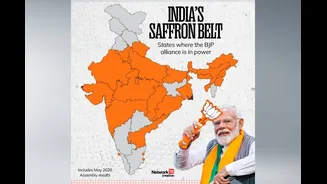
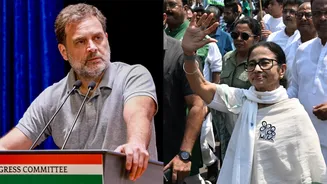
- West Bengal: BJP got a landslide victory. The historic first win marked a major political shift with the ouster of TMC.
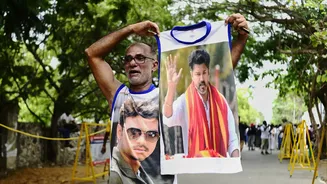
- Tamil Nadu: TVK emerges largest party. Actor Vijay’s political debut has disrupted Dravidian dominance.
- Kerala: Congress-led UDF has returned. The power has swung back from the Left, with BJP winning three seats.
- Assam: BJP retains power. The third straight term points to strong consolidation.
- Puducherry: NDA retains power. AINRC-BJP alliance continues rule.
Gen Z impact on 2026 elections
Tamil Nadu: Gen Z makes up nearly 19% of the electorate (1.04 crore voters). They were a key factor in the victory of actor-turned-politician Vijay’s party, Tamilaga Vettri Kazhagam (TVK), which challenged the long-standing DMK-AIADMK dominance.
West Bengal: The state has around 1.37 crore voters aged 18–29, including over 5.23 lakh first-time voters. Their high mobilisation (reaching 90% turnout in some phases) contributed to significant political shifts.
Assam: Voters aged 18–39 form the largest voting bloc here, with over 1.28 crore individuals. Gen Z’s focus on “being the change” was central to the high-stakes contest between the BJP and the Congress-led alliance.
Kerala: The state added over 96,000first-time votersfor this cycle. Targeted youth outreach initiatives were launched to engage this demographic in the traditional LDF vs. UDF rivalry.
Puducherry (UT): Recorded one of its highest ever youth turnouts, with approximately 2.1 lakh young voters participating in the single-phase election.
Key drivers of the Gen Z factor
- The “2G” Factor: A term coined in Tamil Nadu referring to the dual influence of Gender and Generation.
- Digital Mobilisation: Heavy reliance on social media platforms for political awareness and anti-incumbency campaigns.
- Issue-Driven Voting: A shift away from traditional identity politics toward concrete demands for employment opportunities and modern infrastructure.
Gen Z revolutions across the world
Over the past four years, a global wave of youth-led movements—often called the “Gen Z Revolutions” or the “Asian Spring”—has shaken or toppled governments across several continents. These protests are typically decentralized, organized via social media (TikTok, Discord, Instagram), and share common symbols like the Jolly Roger flag from the manga One Piece as a sign of rebellion against corrupt authority.
Key countries and outcomes (2022–2026)
| Region | Country | Notable Year | Primary Triggers | Outcome |
|---|---|---|---|---|
| Asia | Bangladesh | 2024 | Civil service quotas, authoritarianism | Govt overthrown; PM fled |
| Nepal | 2025 | Corruption, social media ban, nepotism | Govt overthrown; interim leader appointed via Discord | |
| Sri Lanka | 2022 | Economic collapse, nepotism | Govt overthrown; PM and President resigned | |
| Indonesia | 2025 | Lawmaker perks, high cost of living | Policy reversal; cabinet reshuffled | |
| Thailand | 2020–21 | Monarchy reform, human rights | Failed to achieve systemic change | |
| Africa | Madagascar | 2025 | Water/power outages, corruption | Govt overthrown; President impeached/exiled |
| Kenya | 2024 | Finance Bill (tax hikes), corruption | Policy reversal; finance bill revoked | |
| Togo | 2025 | Youth unemployment, high electricity costs | Ongoing or suppressed | |
| Americas | Peru | 2025 | Pension reform, rising crime | Govt shaken; President eventually impeached |
| Mexico | 2025 | Cartel violence, government corruption | Major marches; ongoing | |
| Venezuela | 2024 | Election fraud, social crisis | Failed to oust government |
Other significant Gen-Z mobilisations
Iran (2022–2026): Started with the “Woman, Life, Freedom” movement following the death of Mahsa Amini; continues to flare over economic and human rights issues.
Philippines (2025): Mass protests over the misallocation of climate/flood control funds.
KEY FAQs
Did Gen-Z significantly influence India’s election results?
Yes, but not as dramatically as in Bangladesh or Sri Lanka. Young voters shaped narratives (jobs, corruption, governance), though outcomes still depended on broader coalitions.
How was Gen-Z influence different from these countries?
In India, Gen-Z impactwas electoral and digital, not street-driven regime change like in Bangladesh or Sri Lanka; institutions and alliances still dominated results.
Where was Gen-Z impact most visible?
In urban seats and social media campaigns, boosting outsider appeal (like Vijay/TVK) and amplifying anti-incumbency messaging.
With agency inputs