






The Israeli Air Force struck a natural gas processing facility in southwestern Iran, two senior Israeli officials confirmed To Axios, in what marks a significant escalation in the ongoing conflict. The officials said
the strike was coordinated with and approved by the administration of Donald Trump, indicating direct US involvement in expanding the scope of targets to include Iran’s critical energy infrastructure.
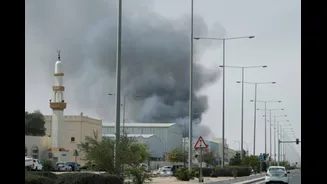
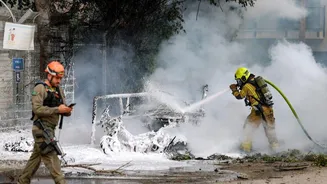
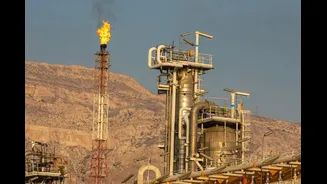
According to Iran’s semi-official Tasnim News Agency, multiple facilities at the South Pars gas field were hit. Emergency response teams were deployed to the site and were working to extinguish fires triggered by the attack.
“Moments ago, parts of the gas facilities located in the South Pars Special Economic Energy Zone in Asaluyeh were struck by projectiles fired by the American-Zionist enemy,” state television reported, citing Ehsan Jahanian, the deputy governor of the southern Bushehr province, where the facility is located.
This is the first time Israel has targeted natural gas facilities inside Iran, which are central to the country’s economy and energy supply. The strike represents a shift from previous operations that primarily focused on military and strategic installations.
The development follows earlier tensions between Washington and Israel over targeting energy infrastructure. The Trump administration had previously objected to Israeli strikes on oil depots in Tehran and had asked that such actions not be carried out without US approval, as per reports.
The attack is expected to further escalate hostilities, with energy infrastructure now emerging as a direct target in the widening conflict.
Under international humanitarian law, including the principles set out in the Geneva Conventions, attacks on economic infrastructure are not automatically prohibited if the target is deemed to have a definite military advantage. However, such strikes become unlawful if they are disproportionate, indiscriminate or primarily impact civilians. Energy facilities- especially those linked to civilian use- are considered sensitive targets and any damage causing excessive civilian harm or long-term disruption could raise concerns of potential violations or even war crimes, depending on the circumstances.