






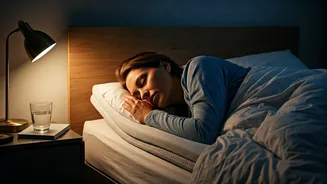
Many people wake up in the morning with neck stiffness or back pain. Surprisingly, for some individuals, sleeping without a pillow may actually reduce these discomforts. However, this does not apply to
everyone.
What Happens When You Sleep Without A Pillow?
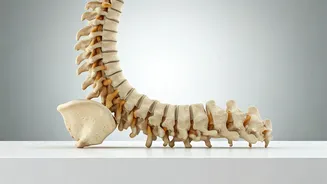
Research and expert opinions suggest that sleeping without a pillow can sometimes help improve spinal alignment, especially for people who sleep on their stomach. According to a 2019 report by Healthline, stomach sleepers may benefit from skipping the pillow because it keeps the spine in a more natural position.
However, for side and back sleepers, sleeping without a pillow can lead to improper neck support and discomfort.
Possible Benefits Of Sleeping Without A Pillow
Reduced neck and back pain: For stomach sleepers, using a pillow can force the neck to twist at an unnatural angle. Sleeping without one allows the spine to maintain a more natural curve, potentially reducing neck and back pain. Hindustan Times reported in November 2025, citing orthopaedic specialist Dr Prakash B.L., that removing the pillow may relieve discomfort for certain sleepers.
Improved posture: Without a pillow, the alignment between the head, neck, and spine may improve for some individuals. Medical News Today notes that proper alignment during sleep can contribute to better posture over time.
Other potential benefits: Some reports suggest improved blood circulation, fewer headaches, and even benefits for hair and skin health. When sleeping on a pillow, constant friction between the hair and pillowcase may lead to hair damage.
But It Does Not Work For Everyone
Despite these benefits, sleeping without a pillow may cause problems for certain sleepers.
Side sleepers: People who sleep on their side have a natural gap between the head and the shoulder. Without a pillow filling this gap, the neck may bend downward, leading to stiffness and pain. Over time, this may even contribute to spinal issues.
Back sleepers: Those who sleep on their back may experience their head tilting backwards without pillow support. This can increase the risk of neck pain, headaches, and even snoring.
Possible spinal strain: Long-term lack of proper support may lead to spinal misalignment. According to reports citing the University of Rochester Medical Centre, people who already have neck spondylosis or back problems may face greater risks.
Real-Life Example
Consider two office workers. One is a side sleeper who tried sleeping without a pillow and woke up with severe neck stiffness. Another person who sleeps on their stomach found improved comfort and better sleep without using a pillow. This shows how individual sleeping positions play a key role.
Who Should Sleep Without A Pillow?
May benefit:
Stomach sleepers
Should continue using a pillow:
- Side sleepers
- Back sleepers
People already experiencing neck or back pain should consult a doctor. Orthopaedic specialists often recommend ergonomic pillows for proper support.
Frequently Asked Questions
1. Can sleeping without a pillow harm the spine?
Yes, especially for side and back sleepers, as it may cause spinal misalignment.
2. Is it good for stomach sleepers?
Often yes. It can help keep the spine aligned and reduce strain on the neck.
3. Can it reduce headaches?
In some cases, improved alignment may help, but results vary from person to person.
4. What type of pillow is best?
Ergonomic or latex pillows are often recommended for better neck support.
5. Can I try it if I already have neck pain?
It is advisable to consult a doctor before making changes to your sleep habits.
Sleeping without a pillow is not suitable for everyone. The benefits or risks depend largely on your sleeping position. Ensuring proper support for your neck and spine is essential for healthy and restful sleep. If you have ongoing discomfort, it is best to seek medical advice.