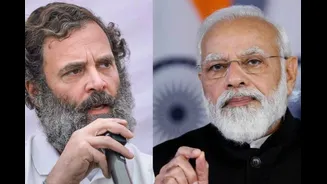






As global oil prices remain volatile amid tensions in West Asia, Prime Minister Narendra Modi’s five-nation diplomatic tour has put energy security at the centre of India’s foreign policy calculations.
The big question for ordinary Indians is simple: can these high-level meetings eventually translate into lower petrol, diesel and LPG prices at home?
The short answer: not immediately. But over the long run, the agreements India is signing, especially with the UAE, could help cushion future fuel shocks, stabilise supplies and reduce the chances of sudden price spikes.
Why The Tour Matters Right Now
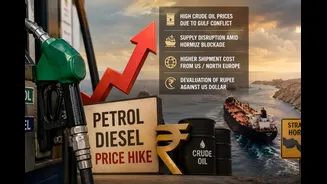
India imports nearly 85 per cent of its crude oil requirements, making it extremely vulnerable to disruptions in global energy markets. According to The Financial Times, with the ongoing West Asia crisis pushing up crude prices and threatening shipping routes near the Strait of Hormuz, concerns over fuel inflation have returned sharply.
ALSO READ | India Stores Strategic Crude Oil Reserves For Emergency, But Does It Have Strategic LPG Reserves?
Brent crude has already surged past the levels India had budgeted for earlier this year. According to reports, India’s crude basket recently crossed $114 per barrel, far above the Reserve Bank’s earlier assumptions. That matters because higher crude prices eventually ripple through the economy; from petrol and diesel prices to LPG cylinders, transport costs and food inflation.
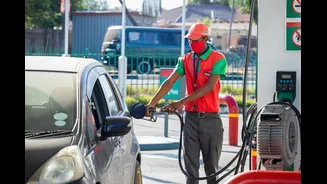
The shock has already trickled down to consumers as India, last week, hiked the prices of petrol, diesel, and CNG by Rs 3.
What Deals Has India Signed?
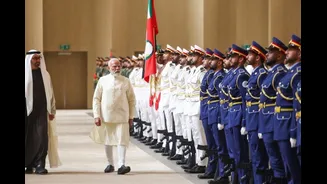
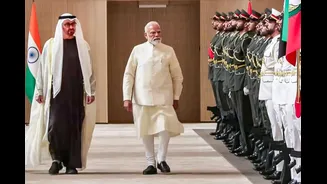
The UAE stopover emerged as the most significant leg of PM Modi’s tour from an energy perspective.
India and the UAE signed agreements on long-term LPG supplies, strategic petroleum reserves, expanded crude storage arrangements, and broader energy cooperation frameworks.
According to Reuters, ADNOC could expand crude storage in India to as much as 30 million barrels under the new arrangements. The two countries also deepened cooperation on liquefied petroleum gas (LPG), crucial for India because it is the world’s second-largest LPG importer.
So, Will Petrol And Diesel Become Cheaper?
Not directly. Fuel prices in India still depend heavily on global crude prices, refining costs, taxes and exchange rates. A diplomatic visit alone cannot suddenly reduce prices at petrol pumps.
ALSO READ | Can Rs 3 Petrol, Diesel Price Rise Help Oil Companies Losing Rs 1,600 Crore A Day? Explained
Experts quoted by Mint said the tour could improve India’s long-term supply visibility, but it “cannot immediately solve the crude price problem”.
However, the agreements could still help in three major ways.
Better Supply Stability: Long-term supply contracts reduce uncertainty during geopolitical crises. According to Times of India, if India secures assured crude and LPG supplies from partners like the UAE, it becomes less exposed to sudden disruptions caused by wars or shipping blockades. This becomes especially important when tensions threaten the Strait of Hormuz, through which a large share of India’s imported oil passes.
Strategic Oil Reserves Can Cushion Price Shocks: India is trying to expand its strategic petroleum reserves, which are underground crude storage facilities designed to be used during emergencies or supply disruptions. Think of them as the country’s emergency fuel buffer. As per Business Standard, if oil prices spike sharply or supply routes are disrupted, India can temporarily release stored crude into the market, helping stabilise supplies and potentially softening the pressure on domestic fuel prices. The new UAE agreements specifically focus on strengthening these reserves.
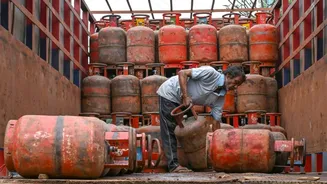
Stronger LPG Supply Agreements Matter for Households: While petrol and diesel dominate headlines, LPG prices directly affect household budgets. Long-term LPG supply arrangements with the UAE could help India avoid sudden shortages or extreme price volatility during global crises. That does not guarantee cheaper cylinders, but it improves supply security at a time when cooking gas costs are becoming politically and economically sensitive.
Why The UAE Is Suddenly So Important
The UAE has emerged as one of India’s most crucial energy partners, with one major reason being timing.
The UAE recently exited OPEC and OPEC+, a move analysts believe could eventually give it greater flexibility to increase oil production independently.
According to Reuters, if the UAE expands output aggressively, countries like India could benefit from more stable or competitively priced supplies in the future. India is also trying to diversify energy partnerships instead of depending too heavily on any single supplier or region.
But There’s a Catch
Even if India secures better energy deals, global oil markets remain unpredictable.
If crude prices continue rising because of wars, shipping disruptions or global demand shocks, Indian consumers may still face higher prices. The government and oil marketing companies can absorb some of the burden temporarily, but not indefinitely.
ALSO READ | Petrol, Diesel Prices Hiked: From Vegetables To Edible Oil, Things That Could Get Costlier Now
That is partly why PM Modi recently urged citizens to conserve fuel, use public transport and reduce unnecessary consumption.
According to TOI, the government’s current strategy appears to be two-fold: manage immediate supply risks and build longer-term energy resilience.
Can This Actually Help Consumers in the Long Run?
Potentially, yes, though indirectly.
If India succeeds in locking in reliable long-term energy supplies, expanding strategic reserves, diversifying suppliers, and reducing panic-driven imports during crises, then future fuel shocks may become less severe than they otherwise would have been.
That may not always mean dramatically cheaper petrol or LPG, but it could mean fewer sudden spikes, better supply stability and reduced inflationary pressure during global crises.
In other words, PM Modi’s five-nation tour is less about cutting fuel prices tomorrow and more about ensuring India is better protected when the next global oil shock arrives.