








Rajasthan’s rugged Jawai region, famous for its thriving leopard population and dramatic granite hills, is witnessing tighter tourism regulations as authorities move to curb the growing problem of unregulated
wildlife safaris. The state government’s latest crackdown comes amid concerns over reckless tourism practices, environmental degradation and increasing disturbance to the natural habitat of leopards in the area.
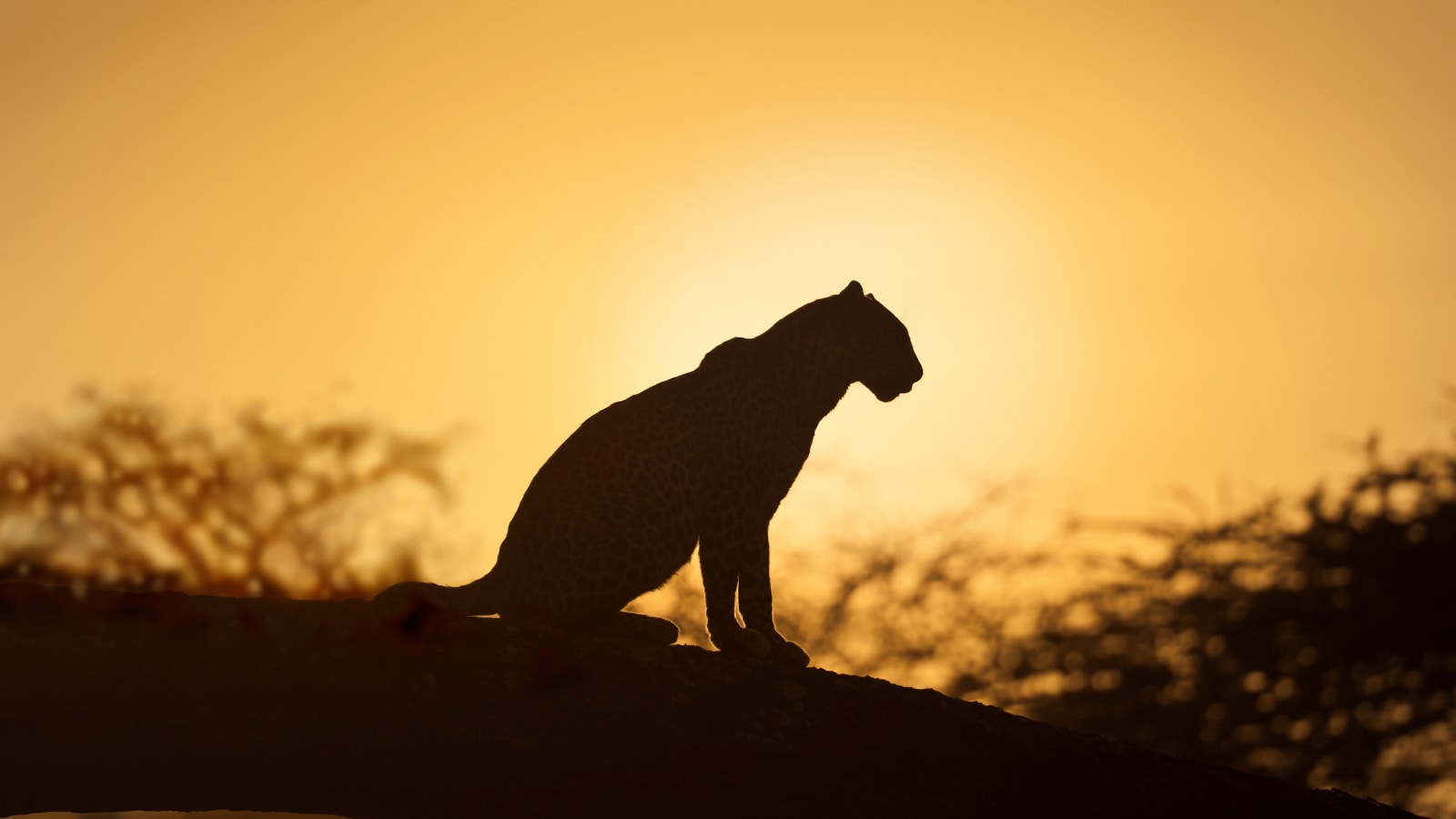
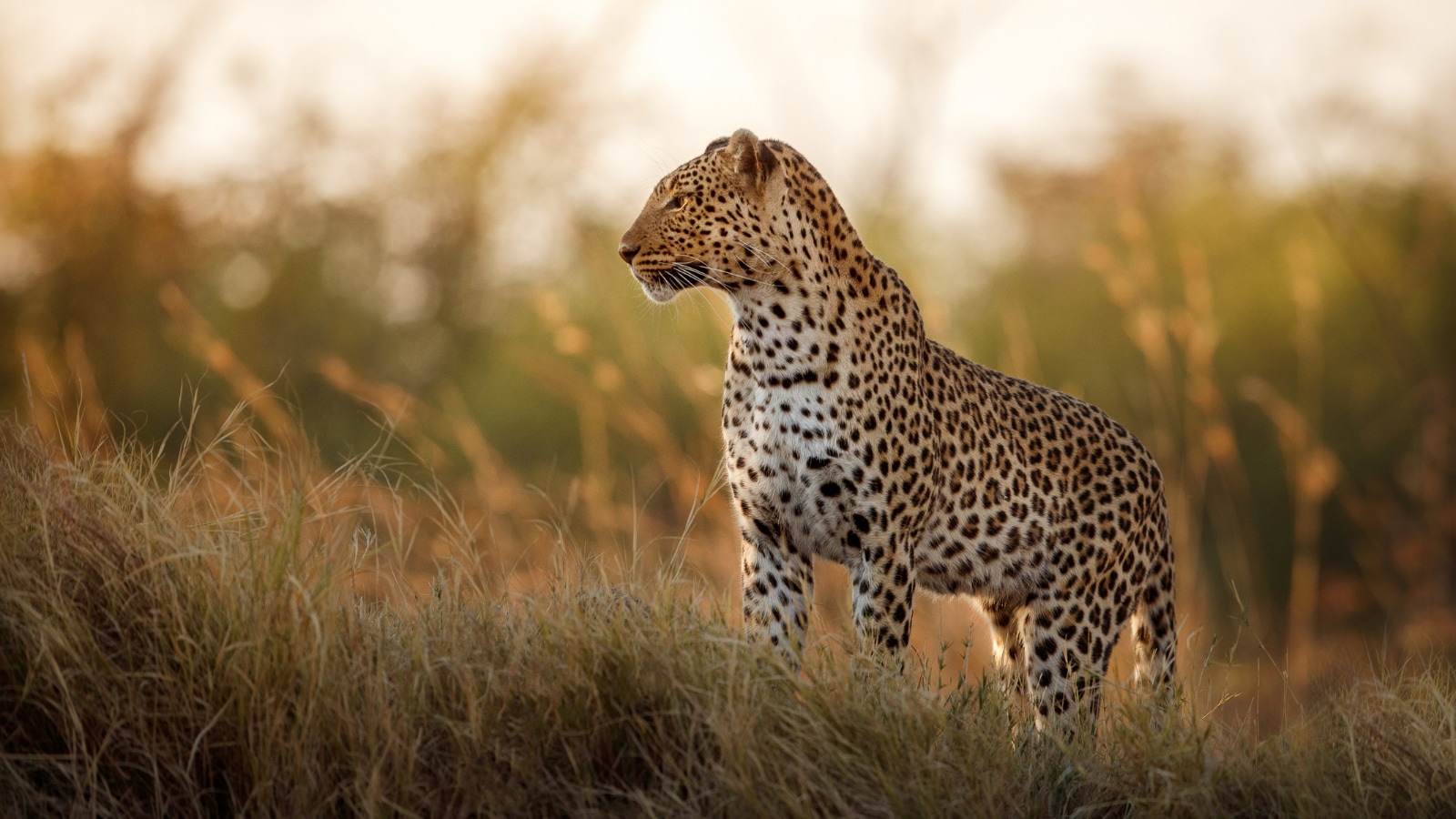
Located in Rajasthan’s Pali district between Jodhpur and Udaipur, Jawai has steadily emerged as one of India’s most sought-after wildlife destinations over the past few years. Unlike traditional tiger reserves, Jawai offers travellers a unique experience where leopards coexist closely with local Rabari communities, often roaming freely around rocky caves, temples and village landscapes.
In response to growing concerns over habitat disturbance, overcrowding, and unsafe safari practices, the Rajasthan Forest Department has introduced a new Standard Operating Procedure (SOP) following a directive from the Rajasthan High Court. The changes aim to strike a better balance between conservation and responsible tourism in the Jawai leopard landscape.
Key Changes for Travellers
Registered Vehicles Only: Safari operations will now be limited to vehicles registered with the new Jawai Safari & Eco Tourism Coordination Committee (JSECC). All permitted vehicles must install GPS tracking devices to monitor movement and prevent overcrowding near leopard habitats.
No Night Safaris: The High Court has strictly prohibited night safaris and restricted wildlife viewing to daylight hours (6 AM to 7 PM), aligning with practices in other protected areas like Ranthambore.
Bans on Disruptive Activities: Use of drones, wildlife baiting, loud noise, and off-road driving near caves are now strictly forbidden. Violations can lead to heavy penalties, vehicle suspension, or blacklisting.
Construction Freeze: No new hotels, resorts, or tourism infrastructure will be permitted in core leopard areas until further orders. Existing developments also face stricter scrutiny.
Wildlife experts have repeatedly warned that excessive human interference can increase stress among animals and alter their behaviour over time. In fragile ecosystems like Jawai, where leopards live outside formally protected reserve boundaries, uncontrolled tourism can also intensify human-wildlife conflict.
Meanwhile, local authorities are attempting to strike a balance between conservation and the region’s growing tourism economy, which supports local jobs, hospitality businesses and safari operators.
How To Book Your Next Jawai Safari Amid New Regulations
Here’s a clear, step-by-step bullet point breakdown to help you plan a smooth and compliant safari in Jawai under the new Rajasthan Forest Department rules:
- Only book with safari operators or luxury camps registered with the new Jawai Safari & Eco Tourism Coordination Committee (JSECC). Ask them directly if their vehicles have GPS tracking and official permission.
- Opt for established luxury camps and lodges that have adapted to the new SOP.
- Due to limited vehicle permits and stricter regulations, slots are expected to fill up faster. Book your jeep safaris at least 4–8 weeks in advance, especially for peak season (October to March).
- All safaris are now restricted to daylight hours only — 6 AM to 7 PM. Night safaris are completely banned. Plan your itinerary accordingly and book morning or evening drives within these windows.
- Ask operators about their current policies on group size, number of vehicles allowed per sighting, and adherence to no-drone, no-baiting, and no off-road rules. Reputable ones will already be following these guidelines.
- Prefer direct bookings with the camp or through verified travel agents. Check recent guest reviews (post-May 2026) mentioning the new rules and safari experience.
- Expect fewer vehicles around leopard sightings and a stronger focus on ethical wildlife viewing. This may result in slightly fewer guaranteed close encounters but better long-term conservation.
- Carry a valid ID proof. Some camps may need you to fill safari booking forms in advance for Forest Department records.
Best Time to Visit: October to March remains ideal. Avoid the peak summer months when leopard sightings can be harder.