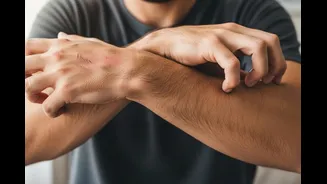

Winter conditions tend to aggravate chronic inflammatory skin conditions such as psoriasis, eczema, and dermatitis. While dry, itchy skin is often dismissed as a seasonal inconvenience, winter can trigger
far more serious flare-ups for millions of Indians living with underlying skin disorders.
This seasonal spike is driven by a combination of climatic and lifestyle factors, along with significant gaps in skin health awareness, making winter one of the most challenging periods for skin resilience.
Dr Anindita Sarkar, Chief Medical Officer, Clinikally, shares all you need to know:
The Science Behind Flare-Ups
India’s winter witnesses a sharp decline in humidity, especially in North and Central regions. Low humidity strips the skin of its natural moisture, weakening the skin barrier. Once compromised, the skin becomes more vulnerable to allergens, foreign agents, pollutants, microbes, and various other factors, leading to inflammation.
For individuals with psoriasis, this results in accelerated skin cell turnover and increased scaling. Eczema (atopic dermatitis) patients experience heightened dryness and itching, often leading to scratching cycles that worsen inflammation. Contact dermatitis also becomes more common, as sensitised skin reacts aggressively to soaps, fragrances, woollens, and even frequent handwashing.
Indian Context: Why the Impact Is More Severe
Unlike colder countries, winter skincare in India is often reactive rather than preventive. Many individuals continue using harsh cleansers, skip regular moisturisation, or rely on home remedies without understanding their skin’s specific needs. Everyday winter habits, such as bathing with hot water, further strip the skin of essential oils, while air pollution, which peaks during the winter months exacerbates skin inflammation.
Delayed dermatologist consultations often result in self-medication and the unsupervised use of topical steroid creams, frequently worsening long-term outcomes. One such outcome is topical steroid withdrawal, also known as red skin syndrome.
Together, these factors create a perfect storm, triggering frequent and severe flare-ups of psoriasis, eczema, and dermatitis across Indian populations.
Moving from Reactive to Preventive Skincare
Addressing the winter skin crisis requires a shift from episodic treatment to preventive care. Skin conditions are often normalised, ignored, or treated sporadically rather than managed as chronic health concerns.
The need of the hour is preventive dermatology, where individuals are educated to:
● Understand their skin type and condition
● Strengthen the skin barrier before winter begins
● Use condition-specific moisturisers and gentle, non-stripping cleansers that restore hydration and barrier function
● Avoid unsupervised steroid usage
● Seek early dermatological intervention rather than waiting for flare-ups
Additionally, simple lifestyle adjustments such as limiting hot water exposure and improving indoor air quality can play a meaningful role in protecting skin health during the colder months.
The Shift from Seasonal Care to Skin Literacy
Winter skin crises highlight a deeper issue: India’s lack of skin literacy. As conversations around wellness evolve in the country, skin health deserves a central place as a year-round priority rather than a seasonal concern. Recognising winter as a critical intervention window could be the first step towards reducing the long-term burden of chronic skin conditions across the nation.