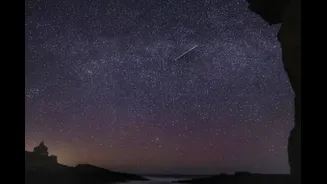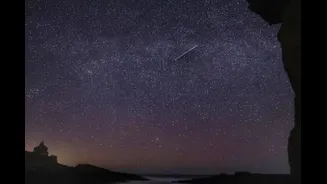






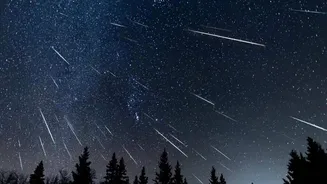
Lyrid Meteor Shower In India: The Lyrid Meteor Shower is one of the most anticipated astronomical events of the year, offering a breathtaking display of meteors streaking across the night sky. This annual
meteor shower, originating from the debris left by the comet Thatcher, occurs every April, and in 2026, it promises to be even more spectacular.
The peak of the Lyrids will take place between April 21 and April 22, creating an exceptional opportunity for stargazers to witness this celestial phenomenon.
Known for its bright and fast-moving meteors, the Lyrid Meteor Shower is a must-see event for anyone with an interest in astronomy or simply those who enjoy the beauty of a starry night.
PHOTOS: This April, Watch The Sky Come Alive With A Planet Parade, Meteor Shower And 6 Other Celestial Events
Whether you’re a seasoned skywatcher or a beginner, this is an experience that’s sure to leave you in awe.
When and Where to See the Lyrid Meteor Shower in India
The Lyrid Meteor Shower is best observed in the early hours of the morning, particularly from April 21–22, 2026. In India, the best viewing locations are those away from city lights, in areas with clear, dark skies. Some of the prime spots to watch the meteor shower include:
- Rural areas in Himachal Pradesh
- Jammu & Kashmir’s mountainous regions
- Rajasthan’s desert landscapes
- Hills of Uttarakhand
- Beaches in Goa and Kerala (with a clear horizon)
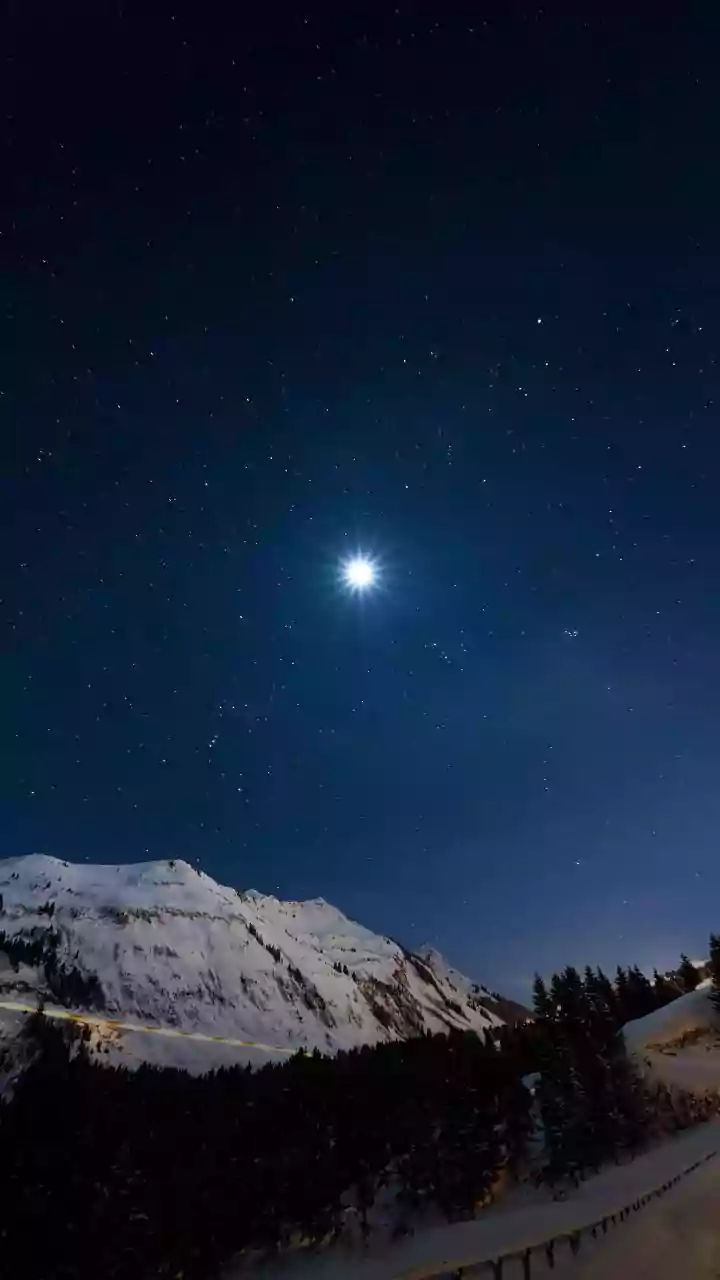
The meteors will appear to radiate from the Lyra constellation, located in the northeastern sky. However, the event is visible across the country, so any location away from light pollution offers good chances to catch the show.
Best Time to Watch the Lyrids
The best time to see the meteors is after midnight and before dawn. The peak of the shower occurs in the early morning hours on April 22, where you could see up to 20 meteors per hour. The sky should be as dark as possible, so it’s recommended to avoid the full moon phase, although it is still visible under slightly cloudy conditions.
Tips for Viewing the Lyrid Meteor Shower
- Find a dark spot: Light pollution can make it difficult to see meteors. Head to remote areas or observe from a rooftop with minimal lights.
- Look towards the northeast: The Lyra constellation is where the meteors will appear from, but meteors will streak across the sky.
- No special equipment needed: A pair of binoculars or a telescope aren’t necessary. Just lie back and enjoy the view.
Why Watch the Lyrid Meteor Shower?
The Lyrid Meteor Shower is one of the oldest known meteor showers, dating back over 2,700 years. Its meteors can travel at speeds of up to 49 km per second, burning up upon entering the Earth’s atmosphere.
This shower also has a long history of dramatic fireballs, making it a treat for skywatchers.