





Would you bite into a cookie if someone told you its ingredients once included a plastic bottle? Sounds like a food trend gone very wrong. But scientists are exploring exactly that idea, not by putting
plastic directly into food, but by using microbes to transform plastic waste into edible biomass.
The unusual experiment is part of a NASA-funded project looking at how future astronauts could produce food during long-duration missions, where carrying enough supplies from Earth may not be practical.
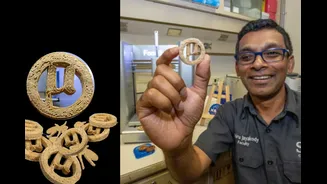
A cookie that began life as a plastic bottle sounds like science fiction, yet researchers at Southern Illinois University Carbondale have turned the idea into a working prototype. Called µBites (pronounced “microbites”), these protein-rich, 3D-printed cookies are made from PET plastic, the material used in most water and soda bottles combined with agricultural waste such as corn stalks and leaves.
So, Are These Cookies Actually Made From Plastic?
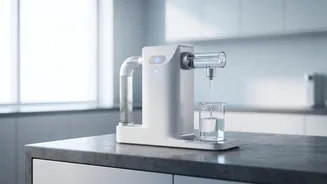
Not quite in the way you might imagine. Researchers are working with polyethylene terephthalate (PET), the type of plastic commonly used in water and soft-drink bottles. The plastic is first broken down using a high-temperature, high-pressure process involving water and oxygen. This converts the tough material into compounds that microorganisms can use.
Specially selected bacteria or yeast are then introduced. These microbes essentially consume the carbon-rich compounds and convert them into biomass containing proteins, fats and sugars.
That biomass can then be processed into a paste, fed into a 3D food printer and shaped into familiar foods, including cookies, before being baked or cured.
The process starts with oxidative hydrothermal dissolution: water and oxygen under high heat and pressure break the plastic and plant matter into small molecular fragments. Engineered yeast strains then “eat” those fragments and convert them into proteins, fats and organic acids. Additional yeast strains create natural vanilla flavouring from plant biomass and beta-carotene (which adds colour and a vitamin A precursor) from compounds found in the plastic itself.
The resulting nutrient-dense paste is mixed with fibre, starch and sweetener, then 3D-printed into cookie shapes and cooked.
Would You Be Able To Eat A Plastic to Protein Cookie?
The cookies have reportedly not been approved for human tasting. Researchers are awaiting institutional approval before testing them on people. So, despite the eye-catching headlines about edible plastic, these are still experimental food products rather than something you can expect to find on a supermarket shelf.
The researchers have, however, reportedly found that the experimental cookies score well when it comes to aroma. For now, µBites remain a research prototype. The team has not yet received approval for human taste tests, though the cookies have scored well on aroma. Production currently costs about $60 per kilogram, and the researchers are still refining flavour and appearance to make the product more appealing.
Why Are Scientists Turning Plastic Into Food?
The answer is less about replacing your favourite chocolate chip cookie and more about survival in extreme environments.
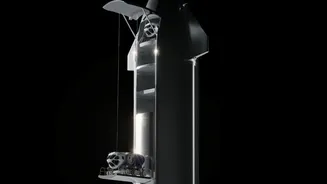
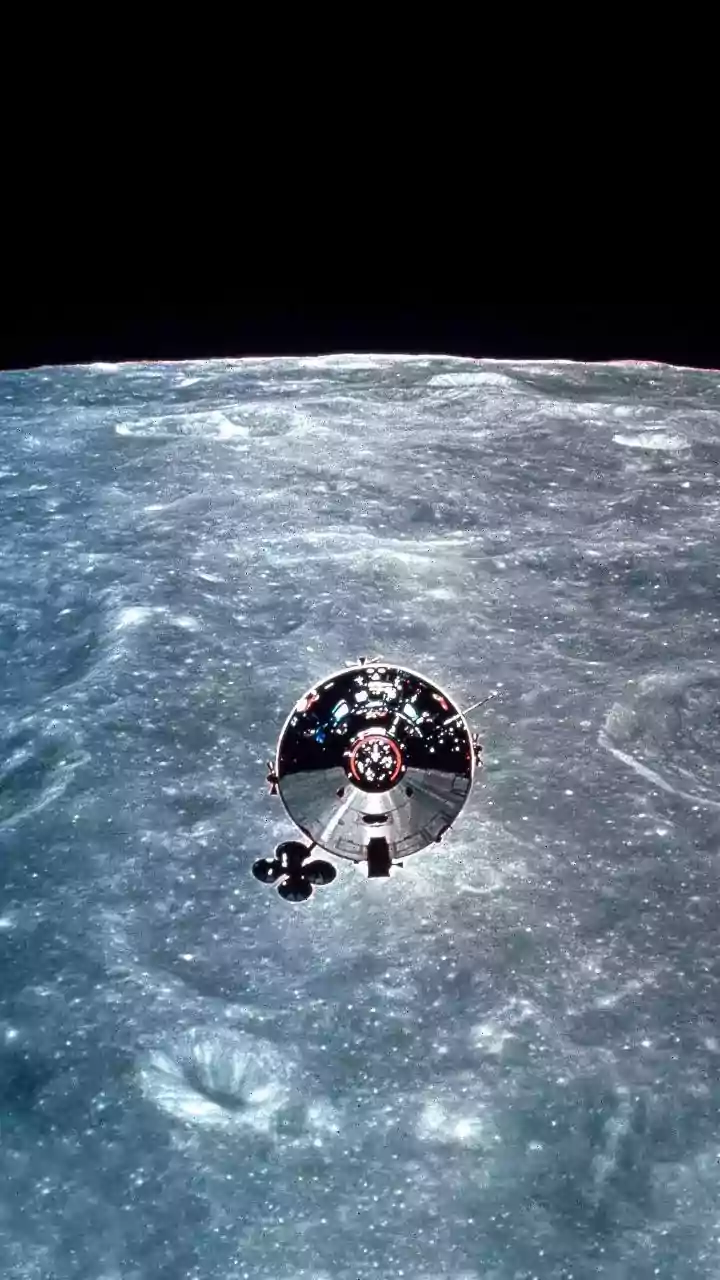
For astronauts travelling to Mars, a round trip could take years. Every kilogram of food, packaging and equipment sent from Earth matters. The idea is that waste materials, including plastic packaging, could potentially become a source of carbon for producing new food rather than simply being discarded.
The concept could eventually have applications beyond space travel too, including submarines or disaster-response settings where food supplies are limited.
Researchers are exploring whether microbes can help turn materials that would otherwise become waste into useful resources. The project comes as scientists search for new ways to address both plastic pollution and future food demand.
But there is a long road between an experimental 3D-printed cookie and a food that is proven safe, nutritious, affordable and acceptable to consumers.