



![[WATCH] ‘I have been in that place, wanted to reassure him’ - Rohit Sharma reveals conversation with Sanju Samson](https://g-mob.glance-cdn.com/public/fc/image/b74fmQpFMAw0.webp)
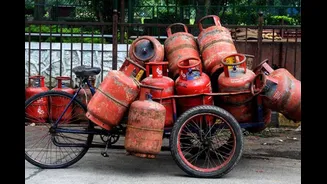
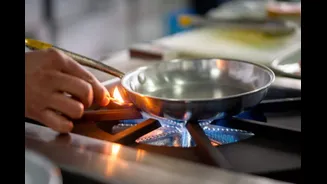
With LPG cylinder prices rising across India, many households are wondering why their gas cylinders seem to run out faster than expected. While frequent cooking is one reason, certain everyday kitchen
habits can quietly increase LPG consumption without people even realizing it.
Small mistakes while cooking can keep the burner running longer and waste a significant amount of gas. Identifying and fixing these habits can help households extend the life of their LPG cylinder and reduce monthly expenses.
Here are eight common kitchen habits that may be wasting your cooking gas.
1. Cooking on High Flame All the Time
Many people believe that cooking on a high flame will make food cook faster. However, this is not always true.
In many cases, a high flame simply causes heat to escape around the utensil instead of being absorbed by the food. Cooking on medium or low flame is often more efficient and saves gas.
2. Not Using Lids While Cooking
Leaving pots uncovered allows heat to escape quickly. As a result, food takes longer to cook and the burner stays on for a longer period.
Using lids traps heat inside the utensil and helps food cook faster, reducing LPG consumption.
3. Lighting the Stove Before Preparing Ingredients
Many people switch on the gas burner and then start chopping vegetables or gathering ingredients.
During this time, the gas continues burning without being used efficiently. Preparing ingredients in advance before turning on the stove can save a noticeable amount of LPG.
4. Using the Wrong Size Burner
Using a small utensil on a large burner can cause flames to spread beyond the bottom of the vessel, wasting heat and gas.
Matching the utensil size with the correct burner ensures better heat efficiency.
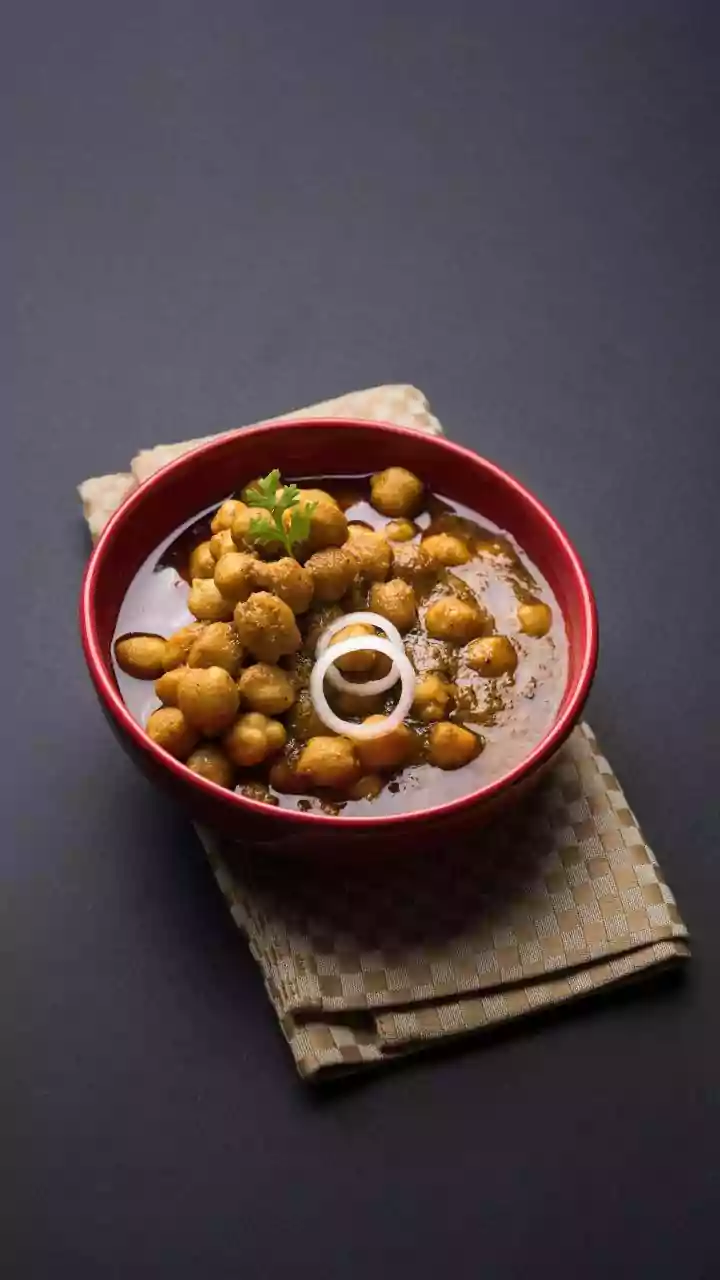
5. Cooking Unsoaked Pulses and Grains
Hard ingredients such as beans, chickpeas and lentils take longer to cook if they are not soaked beforehand.
Soaking pulses and grains for several hours helps them soften, reducing cooking time and saving gas.
6. Dirty Burners and Blocked Flame Holes
Burners that are clogged with food particles or grease do not produce an even flame. This leads to inefficient combustion and higher gas consumption.
Cleaning burners regularly helps maintain proper flame and better fuel efficiency.
7. Placing Wet Utensils on the Stove
If a pot or pan is wet when placed on the burner, extra heat is required to evaporate the water before cooking begins.
Drying utensils before placing them on the stove can help reduce unnecessary gas usage.
8. Reheating Food Multiple Times
Reheating small portions repeatedly throughout the day keeps the stove running more often.
Instead, reheating larger portions at once or using appliances like microwaves can help save LPG.
Small Changes Can Save a Lot of Gas
With LPG prices steadily increasing, adopting efficient cooking habits can make a significant difference. Simple steps such as using lids, soaking ingredients and cooking on the right flame can help households reduce gas consumption and make cylinders last longer.
Being mindful in the kitchen not only saves money but also helps reduce energy waste.