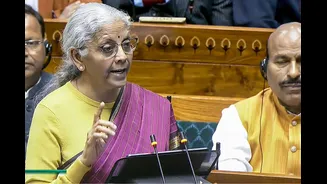







A LinkedIn post by a venture capitalist who recently returned to India from the United States has started a discussion about city life, spending habits and public spaces. Nitisha Bansal, Vice President
at a venture capital firm, shared how her lifestyle changed after moving back. She explained that she rarely eats out now and prefers inviting friends to her home. According to her, the difference is not just about money or personal habits, but about the environment outside. In the US, she said stepping out felt easy and enjoyable.
In India, she feels the streets often make it difficult because of heat, traffic noise, dust and crowded footpaths. She also pointed out that people in India eat out much less than Americans. In her view, better streets and public spaces could encourage people to go out more, spend more time outside and support local businesses.
Lifestyle Changes After Returning To India
Taking to LinkedIn, Nitisha Bansal explained, “Ever since I moved back from the US, I noticed something about myself. I almost never eat out. Even catching up with friends, ‘Come home, I’ll cook.’ First, I blamed habit, mom’s food, cheaper to eat in. But that’s not it. In the US, a Saturday evening just pulls you out. Clean footpath. Shade. A coffee place with chairs spilling onto the street. People walking slowly, no agenda. One thing leads to another, suddenly four hours gone, $80 spent and it felt effortless.”
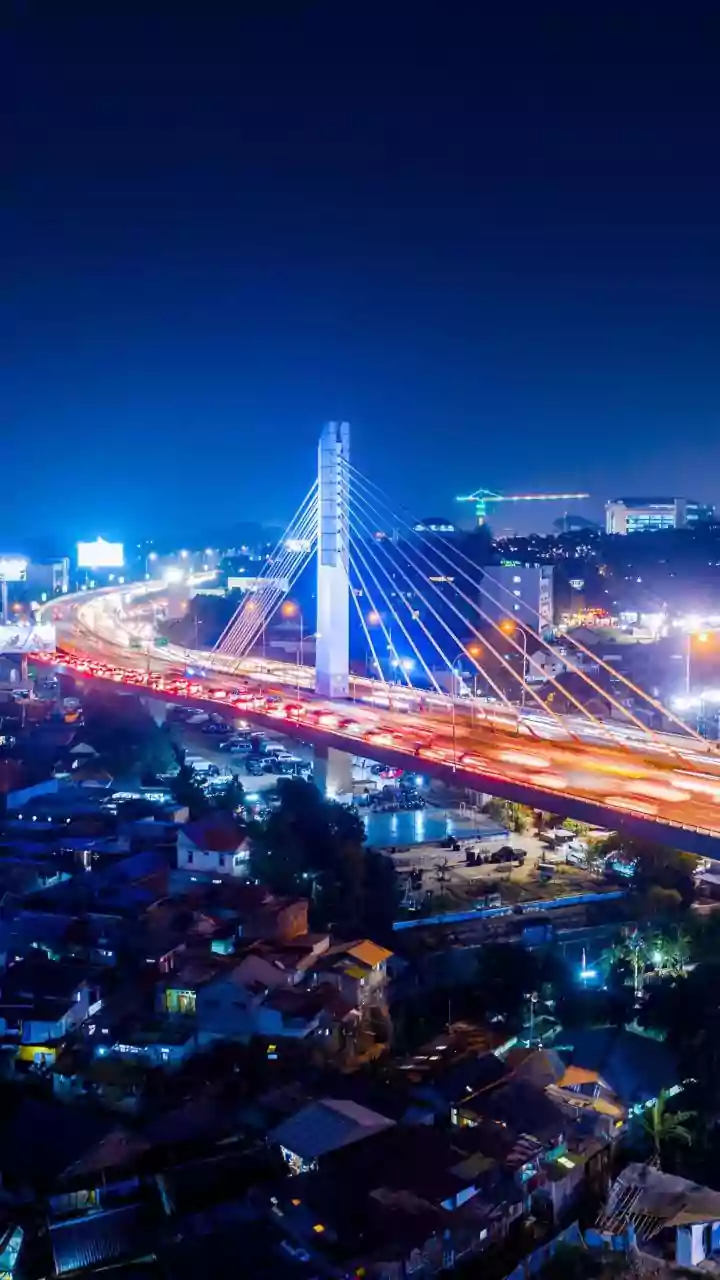
“Here? You open the door and the city hits you in the face. 40°C. Horns. Garbage. Dust. A footpath that’s become a two wheeler parking lot. You last 30 seconds and turn back inside. The street doesn’t invite you. It rejects you and the numbers show exactly what that costs: Indians eat out 1.6x/week @ $3/meal; Americans eat out 5.9x/week @ $25/meal. That’s not just culture. It’s infrastructure suppressing behaviour and behaviour suppressing GDP,” the venture capitalist added.
Nitisha Bansal explained that many services in India now focus on delivering things quickly, such as groceries and meals. While this is convenient, she believes the bigger opportunity lies outside the house. According to her, if streets and footpaths were cleaner, safer and easier to walk on, more people would spend time outside. When people stay out longer, they might visit shops, eat at restaurants and enjoy different activities. This increased movement could help many sectors like retail, food and real estate grow.
She believes improving streets and walkways can greatly increase consumer spending in the coming years. In her view, better footpaths and public spaces are one of the most important investments cities can make because they encourage people to step out and take part in everyday social and economic life.
Mixed Reactions From Social Media Users
Reacting to the post, a user wrote, “If we fixed the streets and people ate out 5.9x/week (like the US), wouldn’t we have as big a health crisis as the US does? I’m not saying we shouldn’t fix the streets. But we shouldn’t fix them so people can eat out 5.9x/week. That’ll likely be a bigger economic disaster than the broken streets.”
Another shared, “People eat outside with higher frequency outside India because the alternative is to come home and cook for yourself or eat leftovers. When you are tired, it’s rather easy to just go outside. In India, having help to cook fresh food for you every day reduces that need by a lot.”
“Ignore what cannot be changed, go for what you have – friends, ex colleagues, malls, multiplexes, paddle courts, etc. There’s a way out of everywhere,” a comment read.
An individual stated, “I have stayed in the US & I still ate at home. People choose how they want to live. People stay out more in India compared to the US, because everything shuts down there at 8 -9 pm. In India, most places are open till 11 pm & many even open till 1 am. Even if the pavement is walkable, it is difficult to walk here, mostly due to the heat. Of course, it doesn’t mean we should not have pavements, as still a lot of people do walk on the road irrespective of the heat.”
Another mentioned, “While there’s no excuse for the dust and garbage, could it be access to domestic help that’s a motivating factor to just eat healthier at home? Speaking from personal experience, at least for busy professionals, I’m sure that’s a big change.”
One more shared a different view based on their experience living in Boston. They explained that even though the city has clean sidewalks, it does not always make them want to eat out. According to them, restaurant meals are very expensive and the food quality is sometimes just average. They also prefer eating healthy. On top of that, going out can become even more costly when they need to hire a babysitter.
The user also mentioned that sidewalks in cities like New York or San Francisco are not as clean as people think. They added that their parents in Delhi actually try more restaurants than they do. In their opinion, the reason people invite friends home in India may be related more to long travel times or daily commute issues rather than the condition of footpaths or walking spaces.