








Amavasya, the new moon night, holds deep spiritual significance in Hindu tradition. Falling in the month of Vaishakh, this particular Amavasya is considered highly auspicious for performing rituals, seeking
ancestral blessings, and performing acts of charity. Known as Vaishakh Amavasya or Satuwai Amavasya, it is believed to bring peace to departed souls while bestowing prosperity and positivity upon those who observe it mindfully.
Date and Timings for Vaishakh Amavasya 2026
Vaishakh Amavasya in April 2026 falls on Friday, 17 April 2026. Amavasya Tithi Timings:
Amavasya begins: 8:14 PM on 16 Thursday, April 2026
Amavasya ends: 5:24 PM on 17 Friday, April 2026
The most favourable period for performing rituals, tarpan, and donations is during daylight hours on 17 April, ideally before the tithi ends in the afternoon. As always, it is advisable to check your local panchang for precise timings based on your city.
Spiritual Significance of Vaishakh Amavasya
This day is dedicated to honouring one’s ancestors (pitrs) through tarpan and shraddha rituals. It is believed that performing sincere acts of charity and holy bathing on Vaishakh Amavasya helps wash away sins, brings ancestral peace, and invites abundance and well-being into the family. Many also observe it as an ideal time for introspection, gratitude, and giving back.
Auspicious Rituals and Practices
- Take a holy bath (preferably in a river or sacred water body) early in the morning.
- Perform Pitru Tarpan and offer prayers to ancestors.
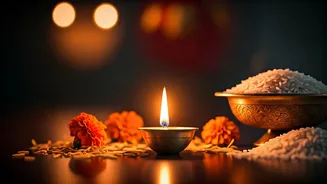
- Light a sesame oil lamp (diya) in the evening.
- Chant mantras or read from sacred texts related to peace and liberation.
- Practise charity and donations, which are considered especially powerful on this day.
Things You Should Donate on Vaishakh Amavasya
Donations made on this day are said to yield manifold blessings. Here are the most recommended items:
Sattu (roasted gram flour) – Donating sattu is particularly significant on Vaishakh Amavasya, which is why it is also referred to as Satuwai Amavasya.
Black sesame seeds (kala til) or items made from sesame.
Grains and food (ann daan) – Rice, wheat, or other staples.
New clothes – Such as sarees, dhotis, or kurtas.
Cow-related donations – Fodder for cows or contributions to gaushalas (cow shelters).