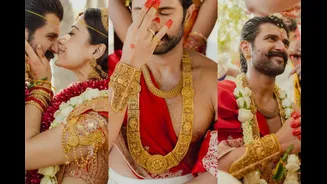






Weddings today are no longer one-sided spectacles. With high-definition photography, cinematic reels, and social media storytelling shaping every celebration, the groom is just as visible as the bride.
Every frame is sharper, every detail amplified – and with that comes a new expectation: to look polished, camera-ready, and composed from every angle.
In this evolving landscape, grooming has quietly moved beyond the basics. What was once limited to a haircut and shave is now expanding into skincare, styling, and increasingly, makeup. The question is no longer whether grooms should invest in their appearance, but how far that investment goes.
An Expert Perspective On Groom Makeup
“Groom makeup is about subtle enhancement, not transformation. The goal is to create a clean, polished, and well-groomed appearance that is fresh, confident, and camera-ready,” explains Samantha Kochhar, Hair & Beauty Expert, and Managing Director at Blossom Kochhar College of Creative Arts & Design.
She adds that the rise in groom makeup is closely tied to changing expectations. “With high-definition cameras, even minor skin concerns become visible, making basic grooming no longer enough,” she adds. At its core, she emphasises, the approach remains understated: it’s about evening out skin tone, reducing shine, and enhancing features without making it obvious.
Beyond The Misconceptions
For many, the idea of makeup for men still carries outdated associations – heavy coverage, visible product, or a departure from masculinity. But the reality is far more refined. Groom makeup today is designed to be invisible, working quietly to smooth texture, correct discolouration, and control excess oil. As Kochhar notes, the intent is not to alter identity but to elevate presentation. It’s a subtle layer of confidence, tailored to suit individual comfort levels rather than a fixed standard.
Why More Grooms Are Opting In
The shift is as cultural as it is visual. Social media has normalised well-groomed appearances, while celebrity weddings and influencer-led aesthetics have expanded the idea of male self-care. Skincare routines, facials, and hair treatments are now commonplace, making makeup a natural next step rather than an outlier. Equally important is the permanence of wedding imagery. Photos and videos are no longer fleeting; they are archived, shared, and revisited. In that context, looking well-rested and refined becomes less about vanity and more about presence.
The Role Of Personalisation
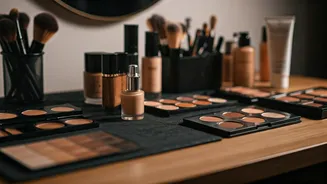
There is no single template for groom makeup. For some, it may mean a matte finish and slight correction; for others, a bit more definition depending on skin type, lighting, and personal preference. “Makeup works best when it is tailored,” says Kochhar, highlighting the importance of breathable, lightweight products that enhance without overpowering. The emphasis remains on balance and ensuring the final look feels authentic, not constructed.
Confidence Over Convention
Perhaps the most significant shift is psychological. The association between grooming and gender is steadily dissolving, replaced by a more fluid understanding of self-expression. Today’s groom isn’t concerned with labels, but he’s focused on how he feels and how he shows up. Makeup, in this context, becomes less about appearance and more about assurance. It’s a tool that supports confidence, especially on a day when every glance, every moment, is under a lens.
Groom makeup isn’t a fleeting trend. It’s a reflection of how weddings, and the people within them, are evolving. As the spotlight widens, so does the approach to grooming, becoming more inclusive, thoughtful, and detail-driven.