


In conversations around education, we often focus on curriculum, screens, and study routines. Yet, one of the most quietly influential factors in a child’s development is far more tangible: the space they
grow and learn in. From the height of a desk to the texture of a chair, furniture plays a subtle but powerful role in shaping how children think, focus, and create.
At its core, good design begins with understanding scale and accessibility. As Prakriti Kundaliya, founder, Wud Studio, explains, “When spaces are designed at a child’s scale, with easy-to-reach storage, comfortable seating, and open surfaces, it naturally encourages independence and exploration.” A room that a child can navigate on their own fosters not just autonomy, but also curiosity. It allows them to move freely between activities, turning learning into something intuitive rather than imposed.
Equally important is the role of order and calm. A thoughtfully designed room reduces visual clutter, which in turn minimizes distraction. Kundaliya highlights how materials like natural wood bring warmth and a sense of comfort, subtly supporting emotional well-being and imaginative thinking. In such environments, children are not overstimulated, they are anchored.
Taking this further, Ekta Verma, founder, ETOS Design, points to the direct impact of furniture on both physical and cognitive engagement. “A well-proportioned study table and ergonomic chair support proper posture, reducing fatigue and helping children stay engaged for longer periods,” she notes. This connection between posture and productivity is often overlooked, but for growing bodies, it is foundational.
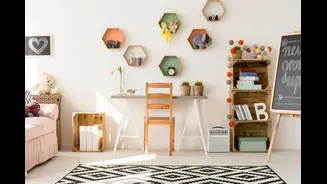
Verma also underscores the importance of design as a creative trigger. Elements like color, texture, and layout are not merely aesthetic choices, they actively shape imagination. Open shelves invite children to access books and materials independently, while flexible seating such as poufs or floor cushions introduces a sense of ease and informality. Add to this natural light, clutter-free surfaces, and features like pinboards or writable walls, and the room transforms into what she describes as an “evolving creative hub.”
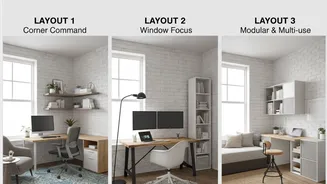
There is also a growing shift towards modular and adaptive furniture, which responds to the changing needs of a child over time. Adjustable desks, movable storage, and multifunctional pieces ensure that the space evolves alongside the child making it both practical and future-ready.
From a more fundamental lens, Tusshar Joshi, Utkarsh Vastukaran brings the focus back to basics: comfort, simplicity, and functionality. “When a child has a comfortable chair and a table at the right height, they can sit properly, focus better, and feel less tired,” he says. Often, it is these small, practical details, adequate lighting, space to move, and easy-to-access shelves that make learning feel less like a task and more like a natural extension of play.
A well-arranged environment also nurtures discipline and clarity. When everything has its place, children are more likely to stay organised, think clearly, and engage more deeply with their activities. Over time, this consistency builds not just habits, but confidence.
Ultimately, the role of furniture extends far beyond function or aesthetics. It becomes a silent collaborator in a child’s daily life shaping posture, influencing mood, and enabling creativity. When designed thoughtfully, a child’s room is no longer just a physical space. It becomes a foundation for learning, imagination, and self-expression, one that grows with them, quietly supporting every stage of their journey.