




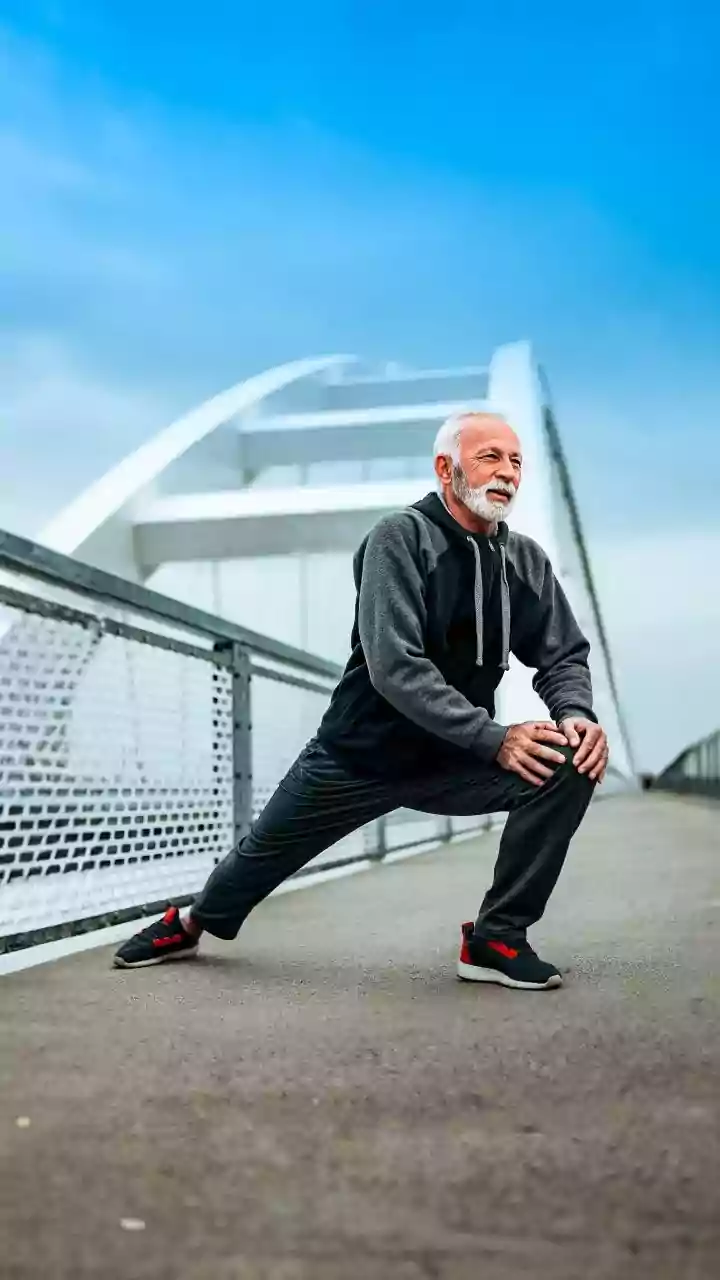


Walking offers many health benefits, including improving cardiovascular fitness, strengthening bones, aiding in weight management, and boosting immunity. There have been several studies that have shown
that even a few minutes of walking can boost your overall well-being. With the latest buzzwords being ‘longevity’ and ‘hot girl walk’, going on daily walks can benefit you in the long run.
A study that came out last year in eClinical Medicine stated that physical activity, sleep, and nutrition are key determinants of life and health span. “There is much evidence showing that staying active both physically and mentally is important for healthy later life,” explained Sarah Gray, GP specialist in Women’s Health at St. Erme Medical in Truro, United Kingdom.
While some people might prefer to walk in the morning time, othes prefer nights or evenings, depending on work. However, as summer approaches, there are higher chances of heat waves occurring, and sunstrokes are no laughing matter. Walking outside, in the blazing sun, also leaves you tanned.
Mumbai, Delhi, and several cities across the country are witnessing maximum temperatures well above seasonal norms. The India Meteorological Department (IMD) recorded temperatures approaching 38-40 degrees Celsius in Mumbai and around 35 degrees Celsius in Delhi. So going out for walk during these temperatures is not advisable.
Dr Pankaj Soni, Principal Director, Internal Medicine, Fortis Escorts, Okhla, New Delhi, shared with NDTV the best time to walk during summers.
He said, “During spring and summer the best time to walk is early morning between 5:00-7:00 AM or Evening walk 6.00pm to 8.00 pm, as the temperatures are cooler with less risk of dehydration or heatstroke. Mornings provide fresher air and more energy benefits. Sticking to these times reduces the risk of high heat and humidity which can increase fatigue and dehydration risk. Moreover the UV radiation is at peak between 10 am to 4 pm with high risk of sunburn and heat related disorders.”
Safety Tips For Summer Walking
- Hydration: Drink water before, during, and after your walk. Add electrolyte drinks to replace lost salts. Also, avoid caffeine or alcohol as it can worsen dehydration.
- Sun Protection: Apply broad-spectrum SPF 30+ sunscreen every two hours, especially on exposed skin. Wear a wide-brim hat, UV-blocking sunglasses, and light, breathable, moisture-wicking clothes to protect against burns and glare.
- Shady Routes: Opt for routes that have trees or parks as it can help you to stay in shade.
- Dress Right: Choose loose, light-coloured clothes that cover skin without trapping heat. Use anti-chafing products like petroleum jelly on thighs or underarms, and wear supportive shoes to prevent blisters.
Walking can indicate emotions?
According to results from a new study, they found that the way you walk can be an indicator for how you feel. A report by The Guardian stated how a group of people were able to identify people’s feelings by watching their walking styles.
Mina Wakabayashi, a researcher at the Advanced Telecommunications Research Institute International in Kyoto, Japan, and the lead author of the study, said, “Walking is one of the most familiar and well-practiced whole-body movements for humans. Because of this, changes in emotional state may naturally appear in the way we walk. In our results, movements with larger arm and leg swings were more likely to be perceived as angry, whereas movements with smaller swings were more likely to be perceived as sad or fearful.”
The results were published in Royal Society Open Science. Scientists brought in actors and asked them recall life events that provoked certain emotions like anger, happiness, fear or sadness, and then walk a short distance while dwelling on each memory. For this study, the participants wore tight clothing and reflective markers, allowing the researchers to create “point-light videos from the side and front which captured their gait without their facial expressions and other bodily cues”.