






India rejected remarks by the US Commerce Secretary suggesting that a bilateral trade agreement failed to materialise because Prime Minister Narendra Modi did not personally call US President Donald Trump,
saying the characterisation of the negotiations was “not accurate”.
Responding to the comments, the Ministry of External Affairs (MEA) said, “We have seen the remarks. India and the US were committed to negotiating a bilateral trade agreement with the US as far back as 13 February last year. Since then, the two sides have held multiple rounds of negotiation to arrive at a balanced and mutually beneficial trade agreement.”
“On several occasions, we have been close to a deal. The characterisation of these discussions in the reported remarks is not accurate,” the MEA said.
Emphasising that New Delhi remains committed to concluding an agreement, the ministry added, “We remain interested in a mutually beneficial trade deal between two complementary economies and look forward to concluding it.”
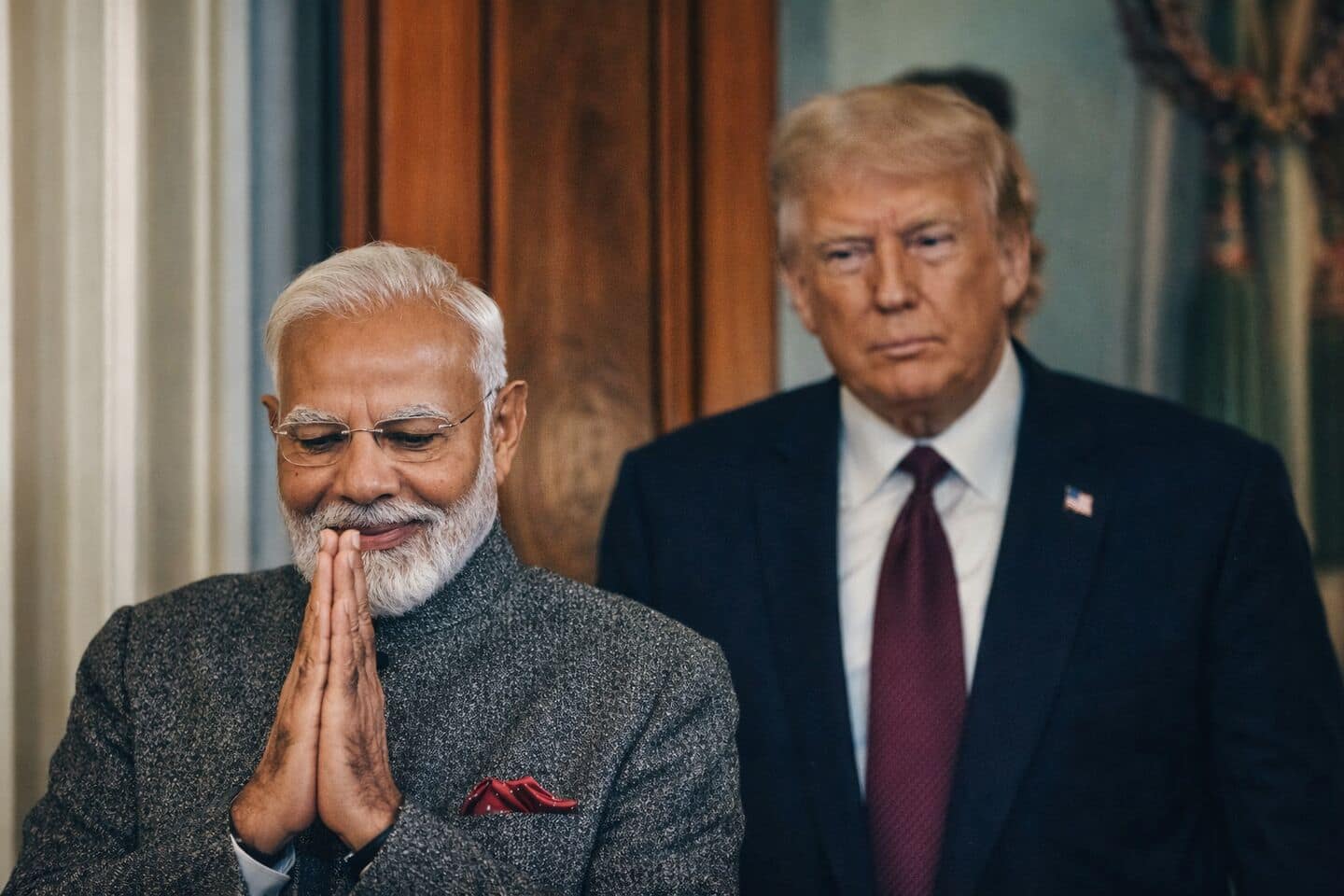
The MEA also pushed back against suggestions of a lack of political engagement at the highest level, noting that “Prime Minister and President Trump have also spoken on phone on eight occasions during 2025, covering different aspects of our wide-ranging partnership”.
The response follows comments by US Commerce Secretary Howard Lutnick, who said in a podcast that a trade deal with India did not happen because Prime Minister Narendra Modi did not call US President Donald Trump to close the agreement.
Howard Lutnick said he had asked the Indian Prime Minister to speak directly to Donald Trump but claimed India was “uncomfortable” doing so.
“So Modi didn’t call,” he said, adding that India “wasn’t ready” to conclude the deal at the time. The US Commerce Secretary said Washington went ahead and concluded trade agreements with Indonesia, the Philippines and Vietnam, assuming that the India deal would be finalised earlier.
“We did Indonesia, the Philippines, Vietnam, and we announced a whole bunch of deals,” Howard Lutnick said, adding, “So now the problem is that the deals came out at a higher rate. And then India calls back and says, ‘Oh, okay, we are ready.’ I said, ‘Ready for what?’”
India and the US have held six rounds of negotiations on a proposed bilateral trade agreement, including discussions on a framework to address 50 per cent tariffs on Indian goods entering the American market.