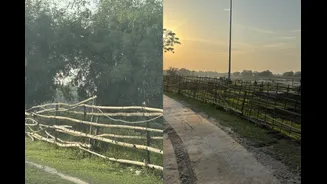







Ahead of the West Bengal Assembly elections, News18 visited people living along the unfenced stretches of the India-Bangladesh border in Cooch Behar. The visit comes at a time when questions around voter
lists and border security are part of the political debate.
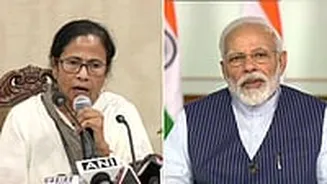
Nearly 91 lakh names have reportedly been deleted during the Special Intensive Revision (SIR) process. The Bharatiya Janata Party has repeatedly alleged that electoral rolls in West Bengal include infiltrators, claiming the data supports its stand. The issue has been raised by senior leaders, including PM Narendra Modi and Amit Shah, who have said such measures have changed the demographic composition of border areas.
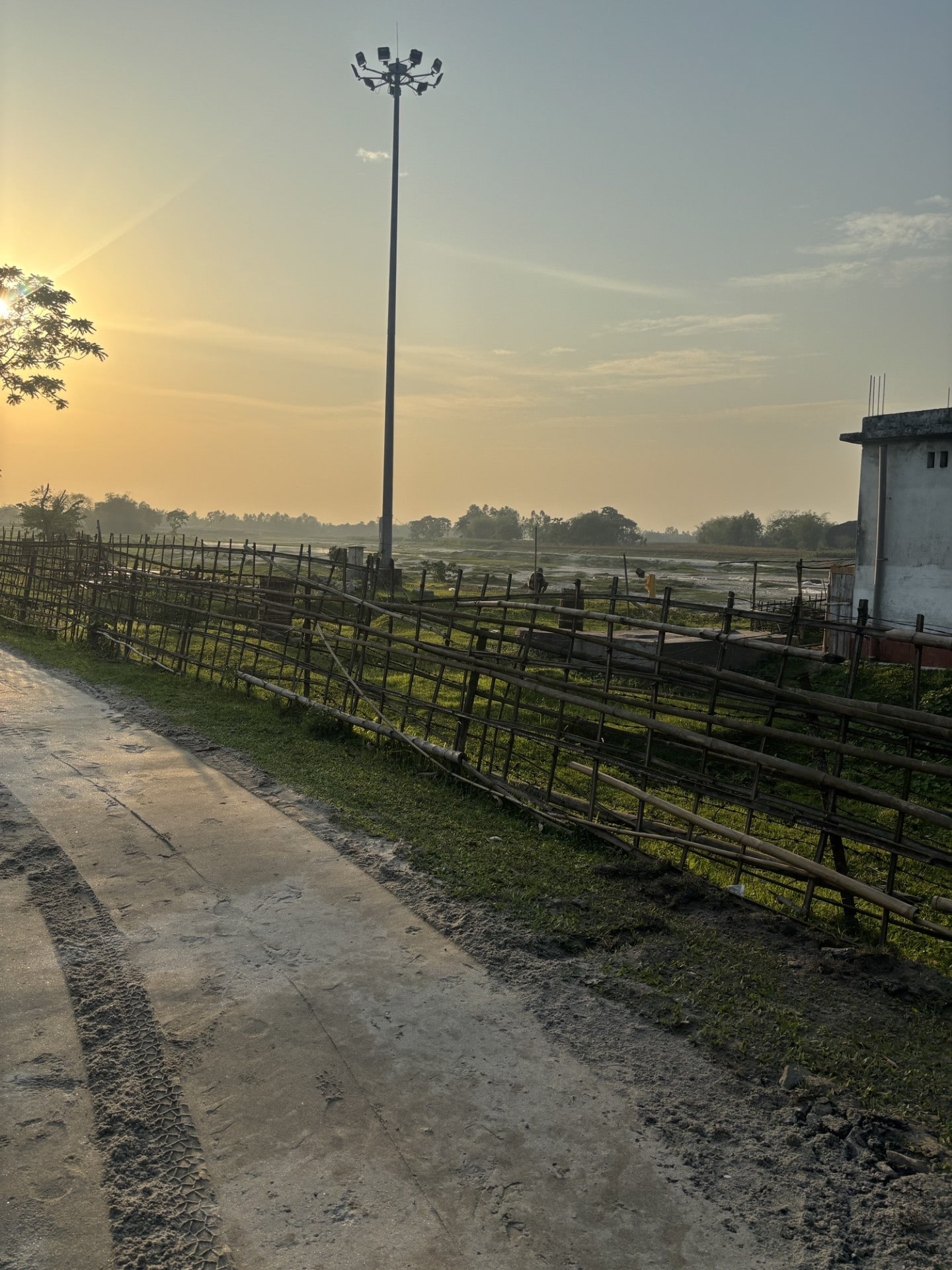
500 km stretch still without fencing
A large part of the India-Bangladesh border in West Bengal, about 500 km, remains unfenced. The Central Government has said the delay is due to land not being provided by the State Government.
Against this backdrop, News18 travelled to unfenced border areas in Cooch Behar district to understand the ground situation during the election period.
Ground situation in Khalishamari
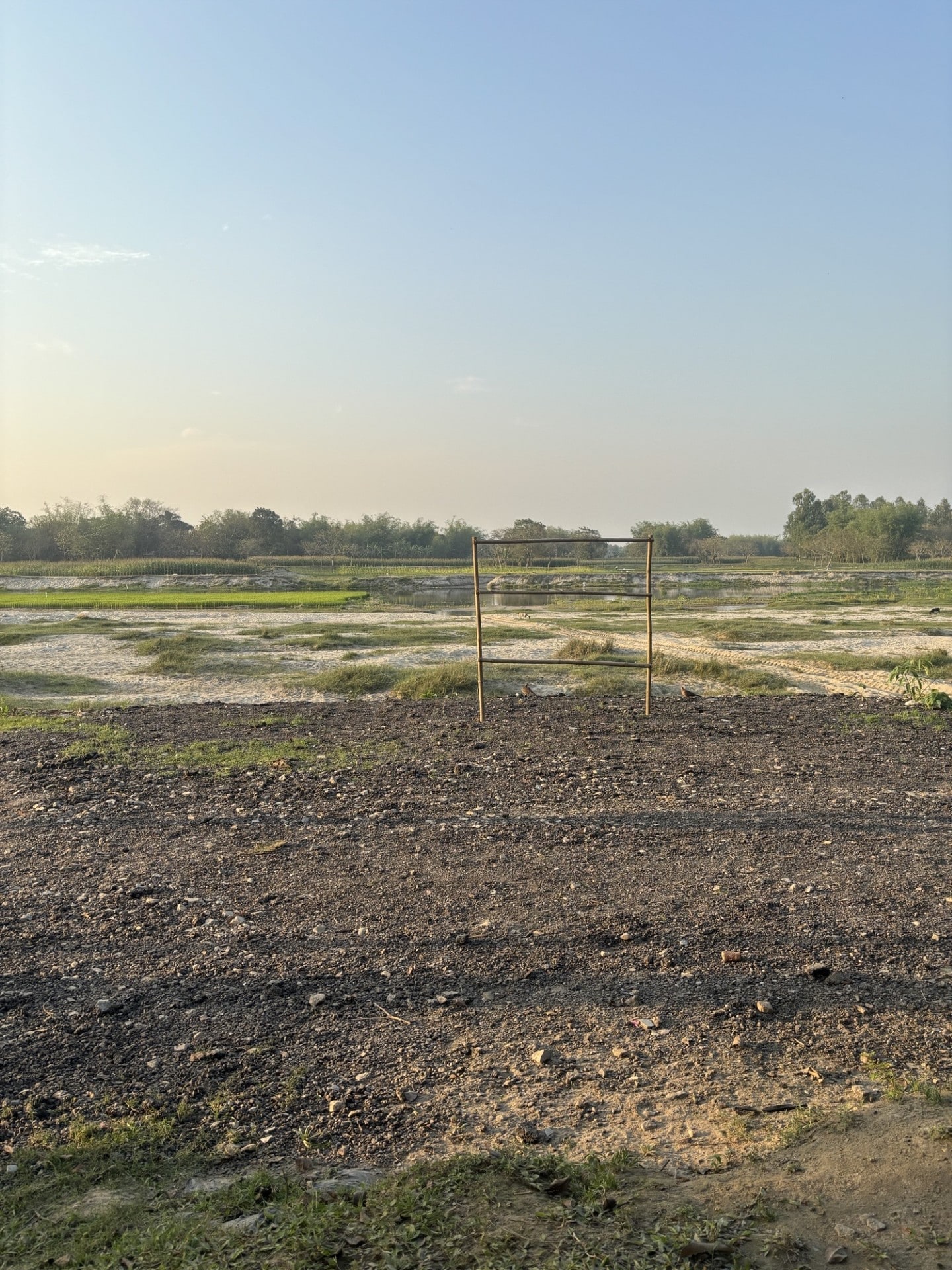
Khalishamari, also known as Khasbas Khalishamari, is located in the Sitalkuchi block of Cooch Behar near the India-Bangladesh border. Around 250 families live in a section of the village that remains unfenced and is surrounded by Bangladesh through both land and water routes. Residents must move to mainland India under strict watch by the Border Security Force.
Locals describe the area as vulnerable. Sumanta Burman, 45, who works in Cooch Behar, said Bangladeshi people cross over at night and take away belongings. He said the absence of fencing allows entry at any time, and some infiltrators manage to reach mainland India, obtain documents and settle there. He added that residents want fencing and will vote for those who promise it.
Fear and daily uncertainty
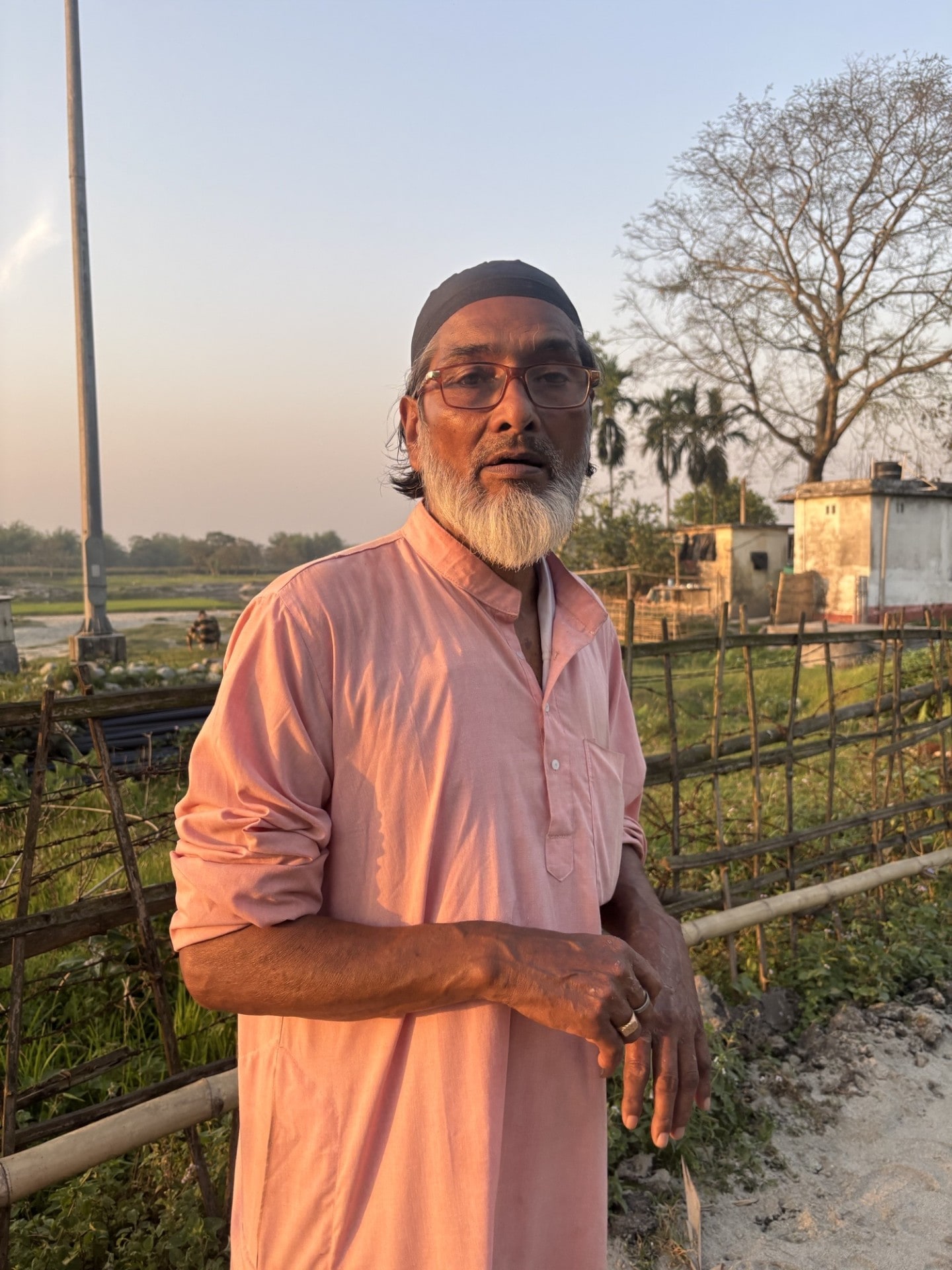
Residents said the Border Security Force maintains vigilance, but worries remain. Sushantan Dakua, a young resident, said people live in fear as entry from across the border is always possible. He said the SIR process is necessary in such areas. While some names have been deleted and will be challenged, he added that some form of cleaning was required due to the situation.
Several residents spoke about infiltration and its effect on daily life. Some claimed that infiltrators are behind local disturbances and tension.
At the same time, some raised concerns about the revision process. Ainul Haq, over 70, said names of his family members were removed while his own name remains. He said they will approach the tribunal. He added that because of infiltrators, everyone faces suspicion and there is a need for protection, as the village is surrounded by Bangladesh.
Mustafa Khan said people sometimes enter at night and move towards mainland India. He said residents also come under suspicion. While the Border Security Force helps, he stressed that fencing is urgently needed, especially if tensions rise across the border.
How political leaders reacted?
A former Union Minister of State for Home Affairs and BJP candidate said he had visited these areas and asked villagers about land for fencing. According to him, villagers were willing, but land has not been provided. Amit Shah has said the issue will be addressed if the BJP comes to power.
On the other side, Partha Pratim Roy from the All India Trinamool Congress questioned the role of the Border Security Force, asking what it is doing if infiltration is taking place.
The unfenced border areas of Cooch Behar continue to face insecurity, administrative challenges and political debate. Residents described a life of fear, uncertainty and constant scrutiny, both from across the border and within official processes.
As the elections draw closer, the demand for fencing and better security remains central. Many residents hope that the election outcome will bring real changes to their everyday lives.