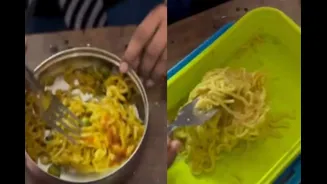




A short classroom video doing the rounds on social media has struck a nerve with parents across India. In the clip, nearly every child opens their tiffin to reveal chips packets, instant noodles or packaged
snacks. No fruit. No home-cooked food. Just convenience. The comments were blunt. Many called it “sad.” Others admitted it hit uncomfortably close to home.
What the video exposed wasn’t just one school’s habits. It reflected a growing shift in how children eat during school hours – quick, salty, processed meals replacing traditional tiffins. The reactions have triggered a wider conversation around health, habits and what parents can realistically pack every day.
Saddest video I have seen this week
The video is staged or not, this is true in many households. Give good nutrition to your kids pic.twitter.com/YIpyxfbRPT
— Vineeth K (@DealsDhamaka) January 12, 2026
Is It Really Okay To Pack Maggi Or Chips Daily?
Short answer: no. Doctors and nutritionists consistently warn against making instant noodles or chips a regular part of a child’s tiffin. These foods are high in sodium, refined flour, unhealthy fats and additives that offer calories without nutrition. Over time, frequent consumption has been linked to weight gain, poor digestion and nutrient deficiencies.
Occasional treats aren’t the issue. Routine dependence is. Children’s growing bodies need protein, fiber, vitamins and minerals. Chips and noodles deliver none of that in meaningful amounts. Several doctors also point out that past regulatory scrutiny around instant noodles raised concerns over ingredients like excess sodium and additives, reinforcing why moderation is key.
What Do Doctors Say About Instant Noodles For Kids?
Pediatricians often flag digestive complaints tied to instant noodles – constipation, bloating, abdominal discomfort. Nutritionists note that a single serving can exceed a child’s recommended daily sodium intake. The problem worsens when these foods replace balanced meals.
Many experts advise avoiding instant noodles entirely for children under five. For older kids, they recommend limiting consumption strictly and ensuring it doesn’t crowd out healthier foods. Despite reforms and safety checks, instant noodles still lack fiber, protein, and micronutrients essential for growth.
If Not Maggi And Chips, Then What Can Parents Pack?
The good news: healthier swaps don’t have to be complicated or boring.
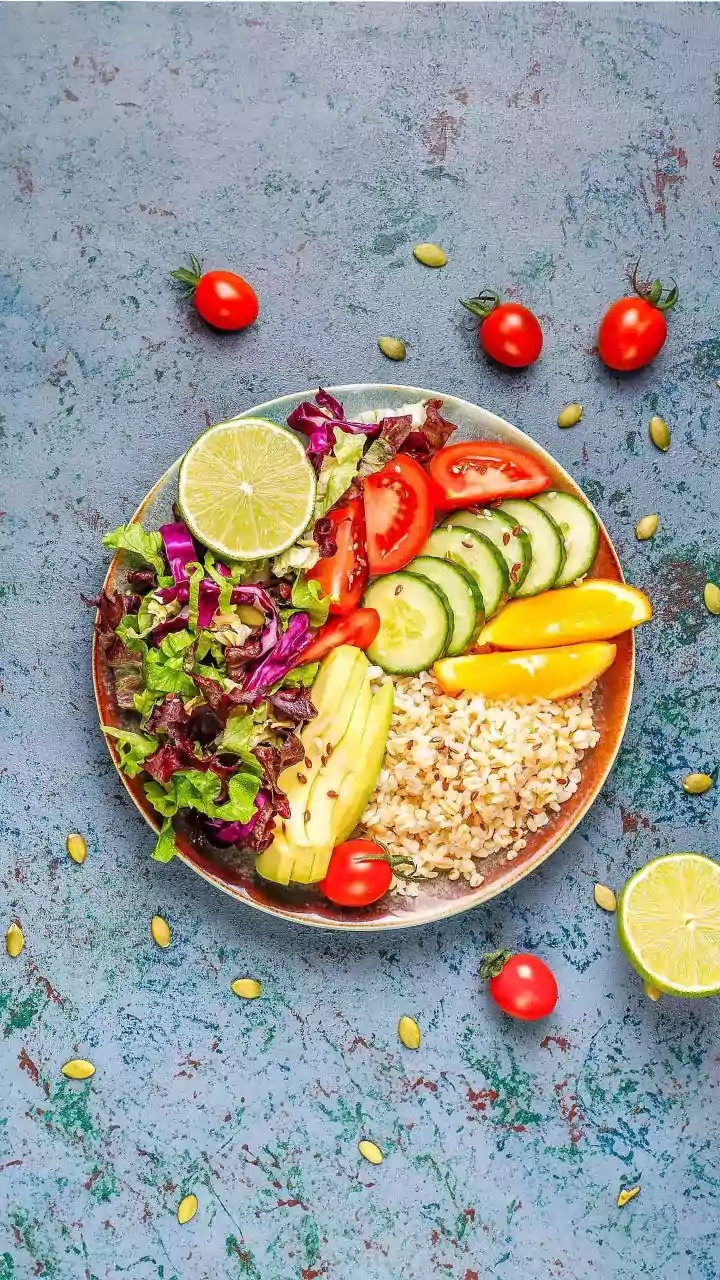
Whole wheat noodles tossed with vegetables can deliver the same comfort with better nutrition. Vegetable poha, upma, or lemon rice offers familiarity while sneaking in fiber and iron. Instead of chips, roasted chana, murmura mixes, makhana, or peanuts provide crunch without excess salt.
Stuffed parathas with potato, paneer, or dal remain tiffin classics for a reason. They’re filling, travel well, and don’t rely on preservatives. Pair them with curd for protein and gut health.
What Does ‘Healthy Food’ Actually Mean In An Indian Context?
Healthy Indian food isn’t about imported superfoods. It’s about balance and freshness. Meals built around whole grains, lentils, vegetables, fruits, and fermented foods have supported generations.
Foods that digest slowly keep kids full longer. Fiber improves gut health. Protein supports growth and focus. When meals are cooked at home, parents also control oil, salt and portion size.
Which Indian Foods Are Best For Daily Tiffins?
Vegetables like palak, bhindi, carrots, beans, and beetroot add vitamins and antioxidants. Whole grains such as millets, brown rice, and oats offer sustained energy. Dals, chana, paneer and eggs provide protein essential for muscle development.
Fruits like guava, papaya, banana, apple, and pomegranate add natural sweetness without sugar spikes. Fermented foods like idli, dosa, dhokla and curd support digestion and are lighter on the stomach during school hours.
Which Foods Should Be Limited For Kids?
Deep-fried snacks like samosas, pakoras, kachoris, and vada pav are heavy on reused oils and trans fats. Sugary sweets spike blood sugar and lack fiber. Street foods, though tempting, carry hygiene risks.
Packaged snacks, aerated drinks and flavoured namkeens contribute empty calories and excess salt. These foods aren’t evil – but they shouldn’t dominate a child’s daily diet.
How Can Parents Build A Balanced Indian Tiffin?
Think simple. One grain. One protein. One vegetable or fruit. Rotate combinations through the week. Avoid packing only ‘snacks’ and skipping real food. Homemade meals stay fresher longer than expected and don’t need refrigeration if packed right.
Easy Protein-Rich Tiffin Ideas Parents Swear By
Paneer or egg rolls with whole wheat rotis. Idli with vegetable sambar. Chana chaat with minimal spice. Dhokla with peanuts. Curd rice with grated vegetables. These meals keep kids full and focused through the school day.
Fruit And Snack Options Kids Actually Eat
Cut fruit in small portions. Mix nuts with murmura for crunch. Homemade sandwiches with veggies, cheese or hung curd strike a balance between convenience and nutrition.
The viral video didn’t shame parents. It reminded them. Childhood eating habits are built early. And the tiffin, opened quietly in a classroom every day, matters more than we think.