







Dubai, Mar 19 (PTI) Amid intermittent missile and drone attacks, sirens, and a palpable sense of uncertainty, citizens and residents across the Gulf region are preparing for an unprecedented Eid on Friday,
marking the end of the fasting month of Ramzan.
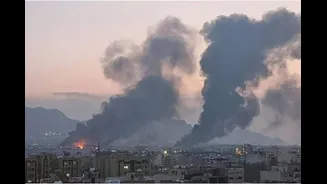
The crisis that was triggered by Israel and the United States attacking Iran on February 28, and a spate of assassinations, targeted bombings, and revenge strikes on Israel and across the Gulf, has hung over the holy month in this part of the world.
The cascading effect and the fog of war have left an indelible mark on the region and threaten to spread far beyond. With the Strait of Hormuz virtually brought to a standstill and threatening global energy security, the economic footprint of this war has started reaching far beyond, including India, which relies heavily on energy supplies from the oil wells of Arabia. With LNG supplies from Qatar significantly impacted, the pain is being felt in millions of homes that use cooking gas across South Asia.
The Eid festivities are unlikely to bring much ease amid these circumstances. Even though families – mostly stuck at home due to frequent warnings and schoolchildren taking online classes – have occasionally driven around to defy fear and keep a semblance of normalcy, they would know they are not out of the woods as they mark the occasion.
“It’s the long-term impact that everyone is worried about. They know they are not the primary targets of these attacks, but it’s the ecosystem that would need some confidence going forward,” said an Abu Dhabi-based Indian engineer on the condition of anonymity.
A healthcare professional in the Saudi Arabian city of Jeddah said the Indian community in this part of the world has largely stayed put and has not panicked at all. “They are aware that this is a passing phase and that they have too high stakes to just desert the region.” According to him, the crisis will eventually lead to opportunities, even though the primary concern now is the immediate cessation of hostilities. That cessation doesn’t appear anywhere close, going by what has transpired in recent days.
That said, people who have managed to secure flight seats and have extended work-from-home options have also chosen to fly back home. It was reported earlier on Wednesday that Air India and Air India Express will run scheduled and non-scheduled services centred on the UAE, Saudi Arabia, and Oman as some Gulf routes remain “temporarily suspended.” The two airlines said they will continue scheduled operations to Jeddah (Saudi Arabia) and Muscat (Oman), including 16 flights between India and Jeddah.
As Eid ushers in, authorities are leaving no stone unturned to ensure a smooth celebration amid a subdued sense of festivity. The UAE has announced that this year’s Eid-ul-Fitr prayers will be held exclusively “inside mosques, instead of the traditional outdoor gatherings, in light of regional security concerns.” According to the UAE’s General Authority for Islamic Affairs and Endowments (GAIAE), the decision “aims to ensure the safety and security of worshippers.” Qatar has also announced that this year’s Eid Al Fitr prayers will be held indoors at mosques across the country.
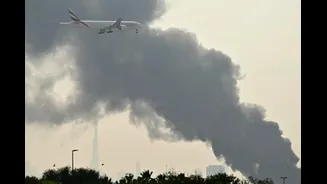
Unfazed, though, ladies are flocking to malls and shopping complexes to do some last-minute shopping. Rulers and government officials have been exchanging Eid greetings, and authorities are working overtime to ensure everything goes smoothly, despite the additional and onerous task of securing the skies.
Whichever way one looks at it, this is an Eid no one in the region prepared for and would be secretly hoping brings far better news than just greetings, food, and festivities. It will quickly turn into the biggest Eid of their lifetimes if the news of an end to war, or at least a ceasefire, comes with it. PTI COR HIG HIG