
In an era where diners are reading labels as closely as menus, probiotic beverages are quietly reshaping how modern India eats and drinks. Priced accessibly often under ₹130 and rooted in familiar flavours,
these drinks are no longer niche health products. Instead, they are becoming a natural extension of contemporary dining, blending nourishment, tradition, and taste in equal measure.
For Chef Harpal Singh Sokhi, chefpreneur and mentor at Karigari, this shift feels less like a trend and more like a homecoming. “Some of the most progressive ideas in food come from looking back,” he explains. He points to kanji as a prime example, an age-old fermented drink that Indian kitchens embraced long before gut health became a global buzzword.
Kanji’s relevance today lies in its effortless balance. “What I appreciate most is that it never asks you to choose between flavour and function,” Chef Sokhi says. Its naturally tangy, fermented profile appeals to the palate, while its probiotic properties support digestion, immunity, and gut balance. This dual role has made kanji particularly appealing to Gen Z diners, who seek clean ingredients and authenticity without sacrificing taste.
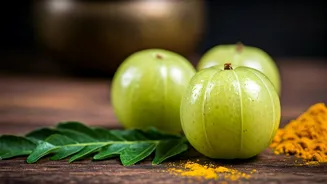
At Karigari, kanji is reintroduced thoughtfully during winter, a season when digestion slows and immunity needs a boost. Each variant is designed with intent, amla for vitality and freshness, haldi for warmth and gut healing, and beetroot for sustained energy and nourishment. For Chef Sokhi, kanji represents modern dining at its best: traditional at heart, contemporary in expression, and aligned with how today’s diners want to eat and live.
A similar philosophy guides Amit Bagga, Co-founder, CEO, and CMO, Daryaganj Hospitality. He believes that Indian dining was never meant to feel heavy or excessive. “It was built around balance, digestion, and wellbeing long before wellness became a modern conversation,” he says.
Traditional beverages such as lassi, mathha (chhaas), kanji, and other fermented drinks were once integral to Indian meals, designed to refresh the palate and aid digestion. At Daryaganj, lassi and mathha continue to be a carefully curated part of the menu, not as afterthoughts but as extensions of this culinary legacy. “They are served with intention,” Bagga notes, “continuing a philosophy that has always been at the heart of Indian dining.”
The renewed interest in probiotic and wellness beverages, he adds, reflects a broader shift in how people relate to food today. Diners are increasingly attentive to how a meal makes them feel, not just in the moment, but hours later. They are looking for drinks that restore and refresh while delivering honest, familiar flavours. In that sense, traditional beverages like lassi and mathha already meet modern expectations without needing reinvention.
Together, these perspectives point to a larger evolution in dining culture, one where indulgence and nourishment are no longer seen as opposites. As modern menus rediscover fermented, probiotic-rich drinks at accessible price points, they are also rediscovering something deeper: principles that Indian cuisine has always stood for. In this return to balance, wellness beverages are not just supporting the meal, they are redefining it.