




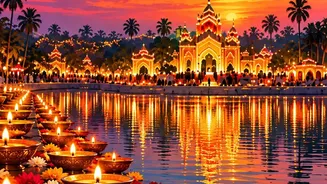

Chhath Puja 2026 Fasting: Chhath Puja is dedicated to the worship of Surya Dev (the Sun God) and Chhathi Maiya. Celebrated with traditional rituals, prayers and strict fasting, the four-day festival holds
special significance in Bihar, Jharkhand, eastern Uttar Pradesh and parts of Nepal.
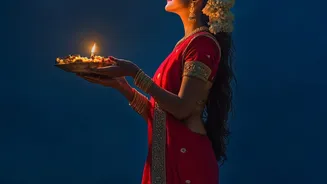
One of the most distinctive aspects of Chhath Puja is the rigorous 36-hour Nirjala vrat observed by devotees, particularly the women known as vratins. During this period, devotees abstain from both food and water, maintaining the fast through the evening prayers to the setting Sun and the final morning offering to the rising Sun.
The fast is regarded as an expression of faith, discipline, gratitude and devotion. Many devotees undertake it to seek blessings for the health, longevity and prosperity of their families and children.
Read More: Chhath Puja 2026: Why Devotees Worship The Setting And Rising Sun
This year, Chhath Puja will be observed from November 13 to November 16. The Nirjala fast generally begins after the Kharna rituals on November 14 and concludes after Usha Arghya on November 16.
But why do devotees observe this demanding fast, and what rules are traditionally followed during the period? Here is everything to know about its religious significance, timeline and important customs.
Chhath Puja 2026: Why Do Devotees Observe The 36-Hour Nirjala Fast?
The Nirjala fast is considered one of the most important observances of Chhath Puja. Devotees undertake it as an act of devotion to Surya Dev and Chhathi Maiya. The practice is associated with several religious and spiritual beliefs.
To Express Gratitude to Surya Dev, the Source of Life
Surya Dev is worshipped as the source of light, energy and life on Earth. Devotees offer prayers to the Sun as a symbol of vitality, nourishment and the natural forces that sustain living beings.
The Nirjala vrat is considered an expression of gratitude and reverence towards the Sun God. Through fasting, prayers and disciplined rituals, devotees demonstrate their faith and dedication.
Read More: Chhath Puja 2026: Date, Calendar, Shashthi Tithi, Sunrise And Sunset Timings
To Seek Blessings for Children’s Health and Family Well-being
One of the traditional reasons for observing Chhath Puja is to pray for the health, long life, safety and prosperity of children and family members.
Many mothers and other family members undertake the rigorous vrat with the belief that sincere prayers and devotion to Surya Dev and Chhathi Maiya will bring happiness, protection and well-being to their loved ones.
To Fulfil Religious Vows (Mannat)
Some devotees observe the Nirjala fast to fulfil a personal vow or mannat. They may undertake the vrat as an expression of gratitude after a wish is fulfilled or during a significant family occasion.
For many households, the observance is also a tradition passed down through generations, with family members continuing the rituals followed by their elders.
To Practise Spiritual Discipline and Purification
The abstinence from food and water symbolises self-discipline, restraint and dedication in the religious observance.
Devotees focus on prayers, rituals and spiritual reflection while avoiding everyday distractions and physical indulgences. The practice is traditionally associated with inner and outer purity.
Read More: Chhath Puja 2026: Complete Samagri List – What Items Are Required For Worship?
Chhath Puja 2026: When Does The 36-Hour Nirjala Fast Begin And End?
The 36-hour Nirjala vrat does not cover all four days of Chhath Puja. It generally begins after the Kharna rituals on the second day and continues until the morning worship and Parana on the fourth day.
Here is the 2026 schedule:
Kharna – Saturday, November 14, 2026
Kharna is observed on the second day of Chhath Puja. Devotees observe a fast throughout the day and perform prayers in the evening.
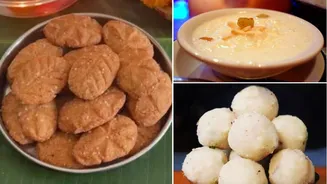
After sunset, the vratins prepare and consume the traditional Kharna prasad, which commonly includes jaggery-based kheer and roti. The prasad is also distributed among family members and others.
After completing the Kharna meal, devotees begin the Nirjala vrat. From this point onwards, they traditionally abstain from food and water until the concluding morning rituals.
Read More: Chhath Puja: Are There 4 Types? Know About Kartik, Chaiti And More
Sandhya Arghya – Sunday, November 15, 2026
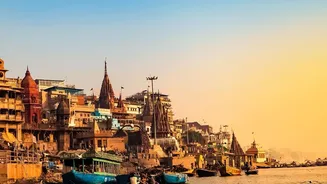
The third day is dedicated to Sandhya Arghya, when devotees gather near rivers, ponds and other water bodies to offer prayers to the setting Sun.
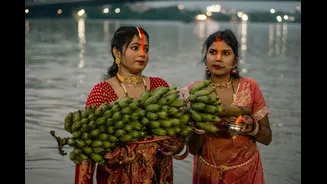
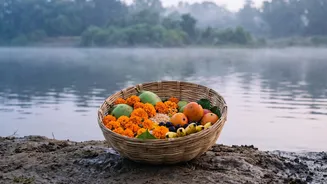
Vratins carry traditional bamboo baskets containing fruits, thekua, sugarcane and other offerings. They stand in water and offer Arghya to Surya Dev while performing the prescribed rituals.
The Nirjala fast continues throughout the day, with devotees maintaining their observance without consuming food or water.
Usha Arghya and Parana – Monday, November 16, 2026
The final day begins with Usha Arghya, when devotees offer prayers to the rising Sun.
Vratins gather at the water’s edge before sunrise and perform the concluding offerings to Surya Dev and Chhathi Maiya.
After completing the morning rituals, devotees perform Parana, marking the end of the Nirjala vrat. The fast is traditionally broken with prasad, according to family customs.
The duration is commonly described as approximately 36 hours, although the precise period depends on when Kharna is completed and when the concluding rituals and Parana take place.
Chhath Puja 2026: Important Rules To Follow During The Nirjala Vrat
Chhath Puja is known for its strict observances and emphasis on cleanliness, discipline and ritual purity. While customs can vary between families and regions, the following practices are traditionally associated with the festival.
Complete Abstinence from Food and Water
During the Nirjala vrat, devotees traditionally do not consume food or water. The fast begins after the Kharna prasad and continues until the completion of Usha Arghya and the subsequent Parana rituals.
This is considered the most demanding part of the Chhath observance and is undertaken as an expression of faith and devotion.
Maintaining Cleanliness and Purity (Shuddhta)
Cleanliness is an important part of Chhath Puja preparations. The ingredients, cooking utensils and items used for worship are carefully cleaned and handled.
Wheat, rice, fruits, bamboo baskets, soop and other puja materials are traditionally kept separate from everyday household items in many families.
Devotees also pay particular attention to personal hygiene and the cleanliness of the cooking area while preparing the prasad.
Following a Sattvik Diet During Preparations
The food prepared during Chhath Puja follows traditional sattvik practices.
During Nahay Khay and the preparatory rituals, many households avoid onion, garlic and ordinary table salt. Rock salt (sendha namak) and pure ghee are commonly used in traditional preparations.
The exact food restrictions may differ according to regional and family customs.
Observing Simplicity and Austerity
Some vratins follow additional practices associated with simplicity and austerity during Chhath Puja.
In certain households, devotees sleep on a simple mat or blanket placed on the floor rather than using a regular bed. Such practices are followed as part of personal religious discipline and vary across families.
Breaking the Fast After Usha Arghya
The Nirjala vrat is traditionally concluded only after offering Arghya to the rising Sun on the final morning.
Following the completion of the prayers, devotees perform Parana and break their fast. Prasad is commonly consumed according to family and regional customs.
What Is The Significance Of Thekua And Other Offerings During Chhath Puja?
Thekua holds a special place among the traditional offerings prepared during Chhath Puja. Made using whole wheat flour, jaggery and ghee, this festive sweet is commonly included in the bamboo baskets used for the rituals.
Seasonal fruits, sugarcane, coconuts and other traditional food items are also offered to Surya Dev and Chhathi Maiya.
These offerings are an integral part of the festival’s rituals and reflect the importance of nature, agriculture and seasonal produce in the traditional observance.
Why Is Chhath Puja Considered A Festival Of Discipline And Devotion?
Chhath Puja is not limited to fasting alone. The festival involves several days of preparation, cleanliness, prayers and strict observances.
From Nahay Khay and Kharna to Sandhya Arghya and Usha Arghya, each ritual has its own significance. The Nirjala vrat is considered a central part of this observance, reflecting the devotion and discipline associated with the festival.
For many families, Chhath Puja is also an occasion to preserve cultural traditions, strengthen family bonds and pass religious customs on to younger generations.
The festival concludes with prayers to the rising Sun, symbolising gratitude, hope and the continuity of life.