






Wetlands are among the most productive ecosystems on Earth. They filter water, prevent floods, support wildlife, and sustain livelihoods, yet they are also some of the most threatened habitats on the planet.
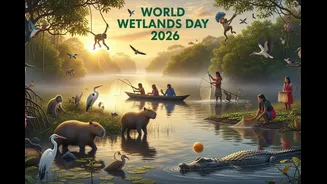
Every year on February 2, people around the world come together to celebrate World Wetlands Day. This day is more than just a date on the calendar; it’s a global reminder to understand the value of the wetlands and raise awareness about protecting these crucial ecosystems.
World Wetlands Day 2026: History
World Wetlands Day was first celebrated in 1997 and has been a United Nations International Day since 2022. recognising the vital role wetlands play for people and the planet.
On 2 February 1971, the Convention on Wetlands was signed in Ramsar, Iran, along the shores of the Caspian Sea. This historic treaty is one of the oldest modern international environmental agreements, and the only one focused entirely on a single ecosystem: wetlands.
Today, 172 countries, known as Contracting Parties, are dedicated to protecting wetlands and using their resources sustainably. Each year, the Convention Secretariat leads the World Wetlands Day campaign, with participation from governments, conservation organisations, businesses, NGOs, media, youth groups, and communities worldwide.
World Wetlands Day 2026: Theme
The official theme for World Wetlands Day 2026 is “Wetlands and traditional knowledge: Celebrating cultural heritage.”
This theme highlights how wetlands are important for indigenous communities, local cultures, and traditional practices that have safeguarded these ecosystems for generations.
It emphasises the importance of ancestral knowledge in promoting wetland conservation, sustainable water management, biodiversity protection, and building resilience to climate change.
World Wetlands Day 2026: Key Facts
- Wetlands are among the most productive ecosystems on Earth, including peatlands, mangroves, rivers, and floodplains.
- They store vast amounts of carbon, which helps boost climate mitigation. Peatlands store about one-third of land-based carbon, twice the amount of all the world’s forests.
- About 1 in 8 people make their livelihoods from wetlands in different ways.
- Wetlands safeguard 60 per cent of humanity along coastlines from floods, droughts, and storms, enhancing climate resilience.
- They support incredible biodiversity, aiding efforts to reverse nature loss.
Despite their importance, wetlands are disappearing up to three times faster than forests due to land-use change, pollution, and climate impacts. Urgent action is needed to preserve the vital services wetlands provide for people, nature, and the climate.
How You Can Help Protect Wetlands
- Learn and share: Understand how wetlands support human wellbeing and cultural heritage, and spread awareness.
- Recognise threats: Appreciate the importance of wetlands and the risks posed by human activities.
- Live a low-impact lifestyle: Conserve water, choose sustainable foods, avoid toxic products, and dispose of waste responsibly. Reduce wetland loss by adopting sustainable habits in daily life.
- Support restoration efforts: Join local, regional, or national wetland restoration projects and community activities. Work together and advocate for wetland conservation in sustainable development and climate initiatives at all government levels.
- Support Indigenous and local voices: Participate in public consultations to ensure Indigenous and local voices are heard. Support initiatives that document, protect and apply traditional ecological knowledge responsibly.