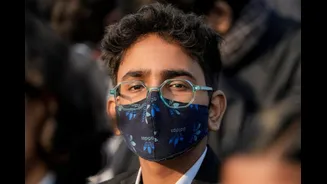









Most of us are used to the air pollution in a city such as Mumbai, Delhi, Pune, Chandigarh, etc. Traffic emissions, construction dust, and industrial emissions usually drive the quality of air into the range
of unhealthy levels. The throat and respiratory tract are one of the initial regions of the body that are affected. Early signs are easy to detect, and taking simple precautions can help a lot in the long run, shares Dr Abhijit Ahuja, pulmonologist at Saifee Hospital, Mumbai.
Throat irritation is one of the first warning signs when there is a decrease in the quality of air. Some individuals experience scratchiness or dryness in the throat most of the time, a need to clear their throat, or slight pain that does not appear to clear. It is also characteristic of a dry cough, a hoarse voice, or a burning feeling, particularly when one has been outside.
As the exposure continues, the symptoms can be more apparent – they are a sore throat, difficulty in swallowing, excess mucus, post-nasal drip, or cough, which becomes worse at night or at the beginning of the morning. Individuals with asthma, allergies, sinus difficulties, or a smoking history can be affected with breathlessness and wheezing, tightness in the chest, or recurrent throat and respiratory infections.
The medical assistance should be sought in case the symptoms persist beyond the duration of one week to ten days, in case of fever, increased breathlessness, pain during swallowing, or presence of blood in the sputum. Lasting voice changes of over two weeks, recurrent infections, as well as current symptoms in everyday functioning should also be considered, particularly in children, aged people, and individuals with a history of lung disease.
Unless you wear a mask and air purifiers, little things can make a difference. Avoid spending excessive time outdoors at the periods of time when the pollution is the highest, so early mornings and evenings. Open windows when the traffic is less and the air is relatively clean, and only ventilate your home when the air seems less polluted.
One of the best measures that is very easy to observe is to maintain good hydration. Consumption of adequate water moisturises the throat and helps to combat irritation. The throat can be calmed down with warm fluids, such as herbal teas, turmeric milk, or even warm water. Frequent saltwater gargles aid in clearing up pollutants which are lodged in the lining of the throat.
When the pollution is high, do not conduct outdoor exercise in and around highways or construction areas. The safest thing one can do on such days is to do indoor workouts. Wet mopping rather than dry sweeping is done at home to eliminate dust in the air.
Your diet also plays a role. Eat vitamin C and antioxidants that are found in fruits and vegetables, including amla, citrus fruit, guava, leafy greens, and nuts. Above all, it is very important not to smoke and be exposed to second-hand smoke because the air is polluted, and tobacco smoke significantly contributes to the harm inflicted on the throat and lungs.
Air pollution does not necessarily result in immediate sickness; sometimes it begins with minor symptoms that people can easily overlook. Being mindful of the irritation of the throat, cough, and voice changes, and implementing simple protective measures may allow you to avoid larger issues. Regarding long-term respiratory health protection, timely medical advice is the most effective solution when the symptoms do not disappear or get better.