






February sits in a strange in-between space. Winter is technically ending, but the body hasn’t caught up yet. Appetite feels off, digestion feels slower than usual, and energy doesn’t fully return even
if sleep improves. This is exactly why February quietly becomes the best time to reset gut health, without forcing anything.
Dr Ridhima Khamesra, Clinical Dietician, explains, “Winter takes more from the gut than we realise.”
Winter Takes More From the Gut Than We Realise
During winter, meals get heavier and more repetitive. There’s more refined carbs, less fibre variety, fewer raw or lightly cooked foods, and often less hydration. Add lower physical activity and irregular sleep, and digestion naturally slows down.
“By the time February arrives, the gut is not damaged, but it is tired,” says Dr Ridhima Khamesra. “Bloating feels more frequent. Constipation or acidity becomes common. Hunger cues feel confusing. This is not random. It’s cumulative.”
She adds, “February is when these signs become noticeable enough to address, but not so extreme that drastic measures are needed.”
Why February Works Better Than January
“January is all noise,” says Dr Khamesra. “Diet challenges, detox trends, sudden restrictions, and unrealistic resets dominate that month. Most people either overdo it or quit halfway.”
“February is quieter. There’s less pressure to ‘start over’ and more space to actually listen to the body,” she explains. “This makes it easier to focus on digestion without turning it into a punishment plan.”
“A gut reset works best when it’s calm, consistent, and sustainable. February naturally supports that mindset,” she adds.
What a Gut Reset Actually Means Here
“This is not about juices or cutting food groups,” clarifies Dr Khamesra. “A February gut reset is about restoring basics.”
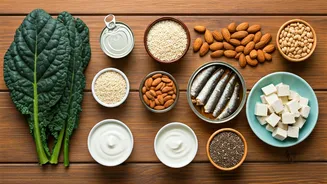
She explains that it involves “adding fibre slowly through vegetables, fruits, and whole grains; bringing back fermented foods like curd or buttermilk; eating meals on time instead of grazing all day; and drinking enough water again.”
“It’s also about noticing how the body responds, not chasing symptoms away,” she says.
Seasonal Foods Support the Process
“February brings better access to fresh vegetables and citrus fruits, which naturally support digestion and gut bacteria diversity,” says Dr Khamesra. “These foods gently stimulate digestion without overwhelming it, unlike heavy winter meals or extreme cleanses.”
“This makes the reset feel natural rather than forced,” she adds.
The Real Goal of a February Gut Reset
“The goal isn’t weight loss or flat stomachs,” says Dr Khamesra. “It’s clarity, better digestion, steadier energy, improved immunity, and hunger cues that start making sense again.”
She concludes, “When the gut feels balanced, everything else becomes easier. February gives the body just enough breathing room to rebuild that balance before the year fully speeds up. That’s why, quietly and realistically, February is the most underrated month for gut health.”