





Gujarat is set to add a new attraction to its wildlife tourism map, with Asia’s first desert-themed drive-through night safari and zoological park planned in Deesa, Banaskantha district. The project has
received approval from the Central Zoo Authority (CZA), paving the way for the proposed wildlife facility.
The Gujarat Forest Department plans to develop the Desert Zoological Park and Night Safari on 103 hectares of government land in Deesa. The project has an estimated cost of ₹542.14 crore.
The park is being designed around a desert ecosystem and is expected to combine a daytime zoo with dedicated spaces for visitors to experience wildlife after sunset.
What Can Visitors Expect At Deesa’s Night Safari?
The proposed zoological park is planned to house around 2,700 native and exotic animals and birds representing nearly 83 species. Indian species to be housed include chinkara, blackbuck, Indian wild ass, Asiatic lion, leopard, Indian porcupine, Indian hare, hedgehog, desert hare, sloth bear, Indian caracal, Indian wolf, golden jackal, striped hyena and Indian desert fox.
The plans also include several exotic species, including African cheetahs, African lions, Angolan giraffes, springboks and ostriches. Australian animals such as kangaroos, emus and wallabies may also be housed at the facility.
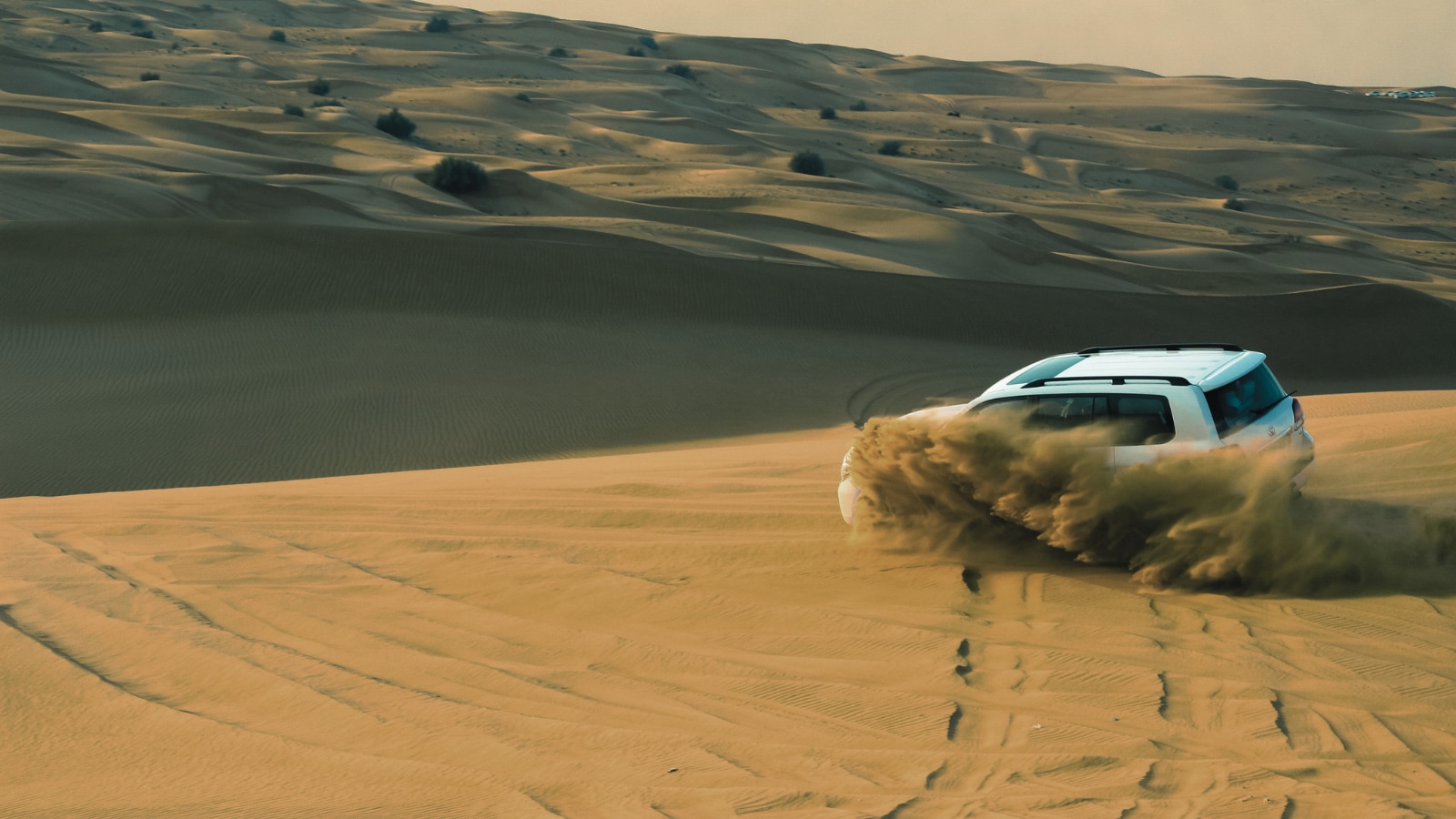
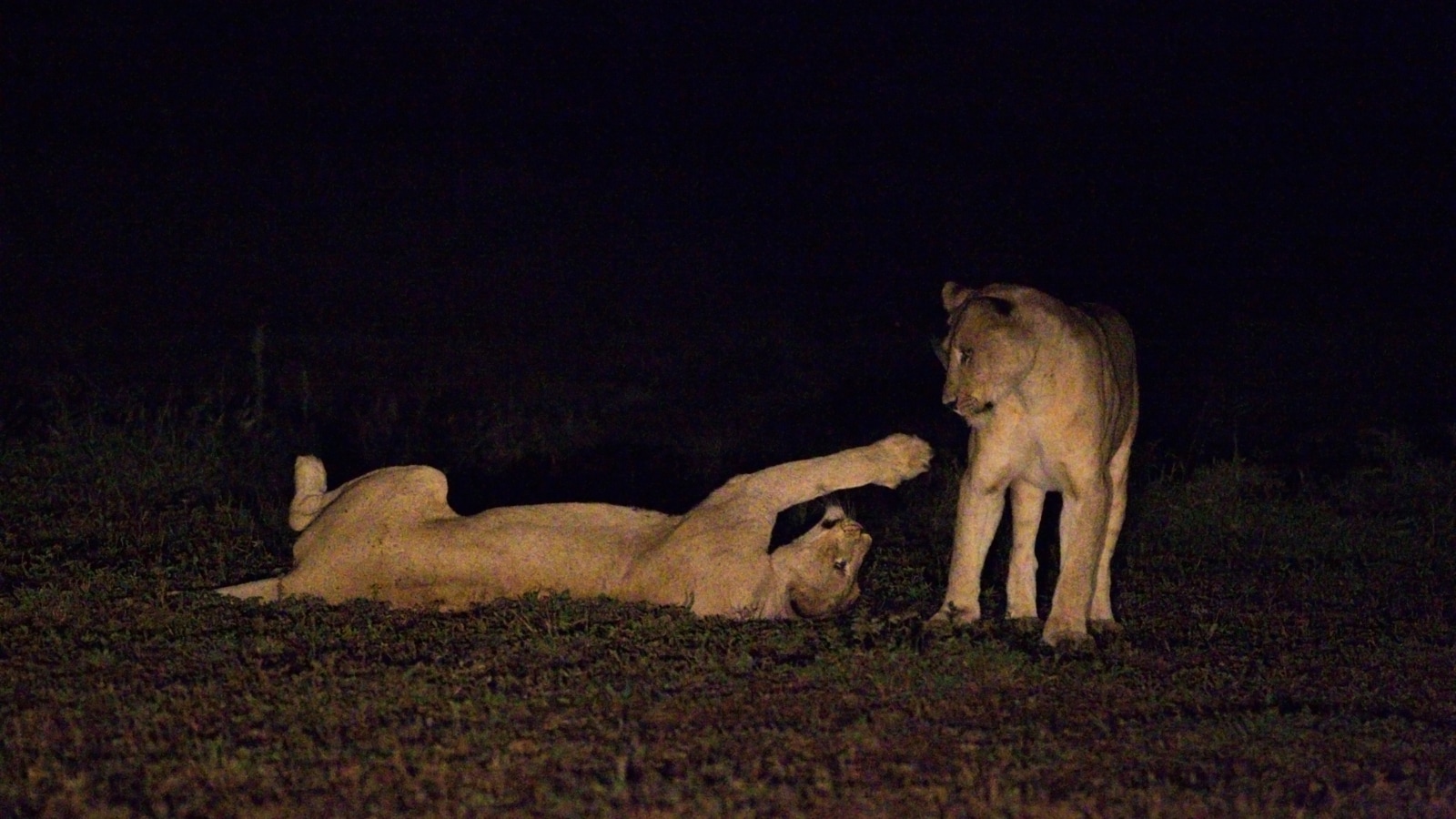
One of the biggest attractions will be five dedicated night safari enclosures, allowing visitors to observe nocturnal animals after sunset. The drive-through format is intended to give the safari a distinct experience centred on the desert environment.
The proposed facility may also feature a reptile safari, rainforest biome, aquarium, aviary, reptile house and butterfly park. Visitor amenities being planned include a food court, souvenir shop and golf cart services.
Additional attractions will include a reptile safari, rainforest biome, aquarium, aviary, reptile house and butterfly park. Visitor facilities will comprise an interpretation centre, food court, souvenir shop and golf cart services. Separate enclosures for herbivores and carnivores are part of the design.
he park is planned to support conservation breeding, wildlife rescue and rehabilitation, and environmental education, alongside its visitor attractions.